

Quality Mold

What is 304 Stainless Steel and Why is it Important?

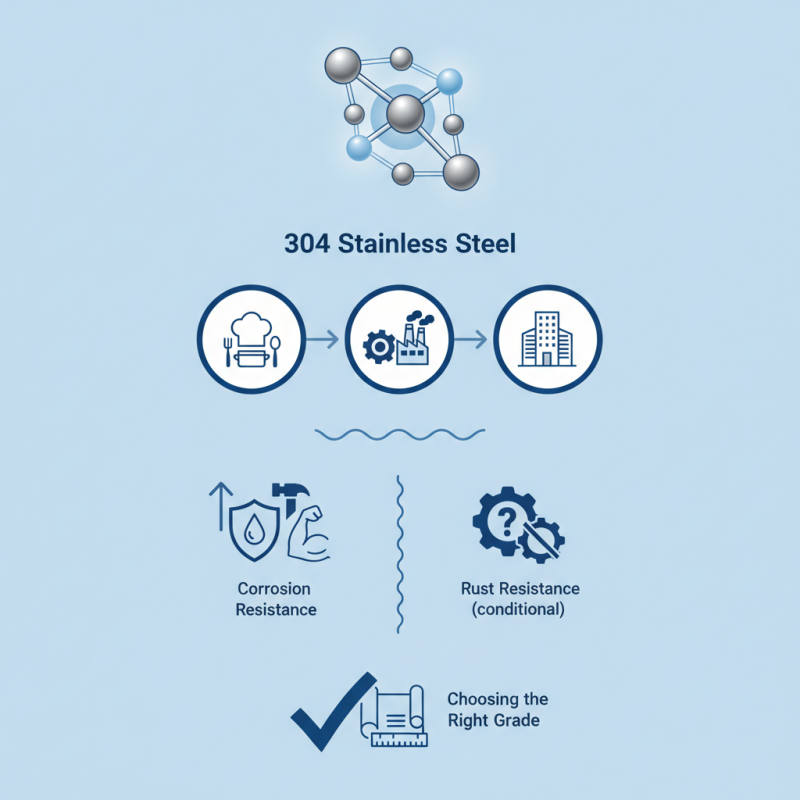
304 Stainless Steel is a widely recognized material in various industries. Its composition includes chromium and nickel, which enhance its corrosion resistance. This type of stainless steel is often seen in kitchen equipment, industrial applications, and architectural designs. Its durability makes it a preferred choice for many manufacturers.

Understanding 304 Stainless Steel is crucial for professionals in fields like construction and manufacturing. The material’s versatility allows it to withstand extreme conditions while maintaining structural integrity. However, not all 304 Stainless Steel is created equal. Variations in quality can affect its performance.

Despite its benefits, users should be aware of potential limitations. For instance, while it resists rust, it can still corrode under certain conditions. Identifying the specific needs of a project can help in choosing the right grade. This due diligence ensures reliable results and longevity of the material used.
What is 304 Stainless Steel and Why is it Important?

What is 304 Stainless Steel? Definition and Composition Overview

304 stainless steel is a popular type of stainless steel known for its durability and corrosion resistance. This alloy is composed mainly of iron, with 18% chromium and 8% nickel. This unique blend gives it excellent strength and the ability to withstand high temperatures.

One notable feature of 304 stainless steel is its versatility. It is commonly used in kitchen equipment, architectural structures, and automotive applications. However, while it offers great resistance to rust, it is not entirely immune to corrosion. Prolonged exposure to saltwater or chlorinated environments can lead to pitting. Regular maintenance is critical.

Tip: When selecting materials for outdoor applications, consider the environment. If near the ocean, you might need something more robust than 304.

Understanding the composition can help when making choices for specific applications. Some people might assume all stainless steel is the same. In reality, different grades have varying properties. Not all can withstand extreme conditions.

Tip: Always consult professionals for advice tailored to your project. Solid research leads to better results in choosing the right materials.

304 Stainless Steel Composition Overview

Key Properties of 304 Stainless Steel: Strength, Corrosion Resistance, and Durability

304 Stainless Steel is widely recognized for its exceptional properties. Strength is one of its standout features. With a tensile strength of around 580 MPa, it excels in various applications. This allows it to withstand considerable loads without deformation. For instance, in construction, it supports structures that need both robustness and durability.

Corrosion resistance adds to its importance. According to industry reports from the American Iron and Steel Institute, 304 steel is highly resistant to oxidation and corrosion. This is crucial in environments exposed to moisture and chemicals. Areas like food processing and pharmaceuticals rely heavily on this quality to maintain hygiene and safety standards. Yet, it is not foolproof. Under certain conditions, such as saltwater exposure, even 304 can corrode.

Durability is another key aspect. This steel can last for decades, often requiring less maintenance. However, its performance can vary based on environmental factors. In coastal regions, for example, specialized coatings might be necessary to enhance longevity. Understanding these limits is essential for ensuring long-term effectiveness in various applications.

Common Applications of 304 Stainless Steel in Various Industries

304 stainless steel is a versatile alloy, widely used across various industries. Its composition includes 18% chromium and 8% nickel, which contributes to its exceptional corrosion resistance. According to the International Stainless Steel Forum (ISSF), 304 grades account for about 60% of all stainless steel production. This statistic underscores its importance in both manufacturing and construction.

In the food and beverage industry, 304 stainless steel is essential. It’s used in equipment such as tanks, pipes, and countertops. This material ensures hygiene and durability. The American Institute of Steel Construction (AISC) highlights its role in maintaining food safety standards. 304 stainless steel is also prevalent in the pharmaceutical sector, where sterile environments are critical. However, while it offers many benefits, users must be cautious of prolonged exposure to chloride environments, which can lead to stress corrosion cracking.

The automotive industry leverages 304 stainless steel for its strength and aesthetic appeal. It is often found in exhaust systems, trim, and structural components. A report by the World Steel Association notes that this type of steel can reduce vehicle weight without compromising safety. Despite its advantages, sourcing quality materials remains a challenge. Some manufacturers may opt for lower-grade steels, which can impact performance and safety. Thus, thorough supplier evaluations are necessary.

Comparative Analysis of 304 Stainless Steel vs. Other Stainless Grades

304 stainless steel is a widely used alloy known for its corrosion resistance and durability. It primarily contains chromium and nickel, which give it these properties. However, when compared to other stainless steel grades, its performance varies. For instance, 316 stainless steel, which contains molybdenum, offers superior resistance to chlorides and is better for marine environments. This makes 316 the go-to choice for applications exposed to harsh conditions.

When considering other options, such as 430 stainless steel, the differences become more pronounced. 430 is more affordable but less resistant to corrosion. It is suitable for indoor use but falls short in outdoor or humid conditions. Choosing the right grade requires understanding the specific needs of a project. Sometimes, factors like cost, strength, and aesthetic appeal outweigh the desire for superior corrosion resistance. It’s essential to evaluate these criteria carefully before selecting a stainless steel type for a particular application.

Importance of 304 Stainless Steel in Sustainable Manufacturing Practices

304 stainless steel plays a vital role in sustainable manufacturing. Its composition includes nickel and chromium, which enhance corrosion resistance. This property extends the lifespan of products, reducing waste and the need for replacements. The long-term durability of 304 stainless steel aligns with eco-friendly goals.

Using 304 stainless steel in manufacturing can decrease the environmental impact. It requires less energy to produce compared to other materials. This energy efficiency contributes to lower carbon emissions. Additionally, 304 stainless steel is recyclable. This means that it can be repurposed, further reducing resource consumption.

Tips: Always consider the lifecycle of materials. Choose options that promote recyclability. Look for suppliers that prioritize sustainable practices. Every small step counts in making a difference. Mindful choices can enhance both quality and sustainability in manufacturing.