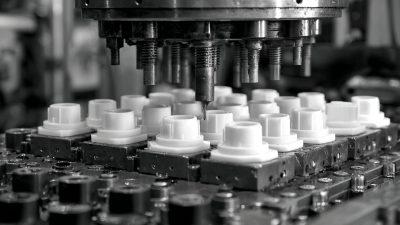

Top Benefits of Plastic Injection Molded Parts for Global Buyers?
The global demand for plastic injection molded parts continues to surge. Recent market research indicates that this industry is projected to reach $450 billion by 2027. This growth owes much to its versatility and cost-effectiveness. Industry expert Dr. Emily Carter notes, "Plastic injection molding is a game-changer for manufacturers seeking precision and efficiency."
Plastic injection molded parts offer an array of benefits for buyers worldwide. These components are essential in sectors like automotive, electronics, and consumer goods. Their ability to produce intricate designs with high accuracy is unmatched. Moreover, the process allows for the rapid production of large quantities, significantly reducing time to market.
Despite these advantages, challenges persist. Not all manufacturers utilize the latest technology. Quality control can vary, leading to inconsistencies in production. It's crucial for buyers to partner with reputable suppliers. As the market evolves, remaining informed and discerning will be essential for success.
Understanding Plastic Injection Molding: A Brief Overview
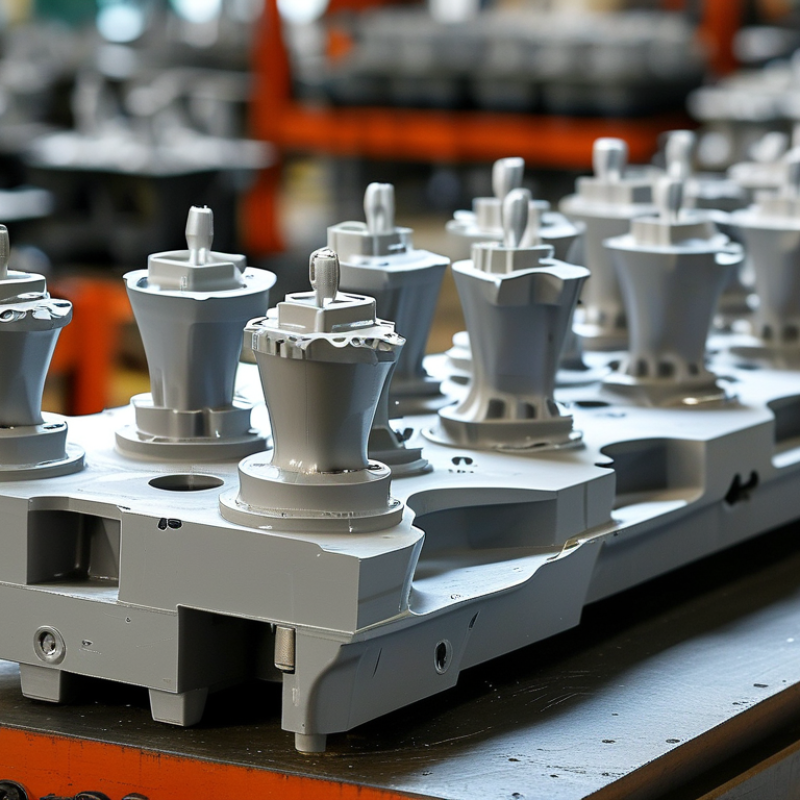
Plastic injection molding is a widely utilized manufacturing process. This technique creates precise and complex plastic parts. It involves injecting molten plastic into a mold, allowing for quick production cycles. The process can be tailored for various materials and shapes, making it versatile for different industries. Buyers appreciate the consistency achieved through this method. Each part maintains uniformity, which is crucial for product quality.
Different plastic types can be used in injection molding. They range from thermoplastics to thermosetting plastics. This adaptability allows manufacturers to choose materials based on specific requirements. However, not all materials yield the same results in terms of durability and finish. Selecting the right type requires experience and understanding from the buyers' side.
The initial investment in injection molding can be significant. However, when scaled over mass production, the cost per unit drops drastically. This financial benefit can be appealing for global buyers aiming to optimize costs. Yet, some buyers may overlook the long-term implications of mold maintenance. Regularly updating or repairing molds is essential to sustain quality. Ignoring this factor can lead to inconsistencies and increased waste.
Top Benefits of Plastic Injection Molded Parts for Global Buyers
| Benefit | Description | Application Areas |
|---|---|---|
| Cost-Effectiveness | Plastic injection molding allows for high-volume production at a lower cost. | Consumer Goods, Automotive Parts |
| Design Flexibility | Enables complex designs and shapes that might not be feasible with other manufacturing methods. | Electronics Enclosures, Medical Devices |
| High Precision | Offers consistent tolerances and tight specifications for precise components. | Aerospace Components, Industrial Machinery |
| Material Variety | Supports a wide range of thermoplastic materials for various applications. | Packaging, Household Items |
| Efficiency | Rapid production cycles allow for quick turnaround times. | Consumer Electronics, Automotive Parts |
Cost Efficiency and Scalability of Injection Molded Parts
Plastic injection molded parts have become a staple in manufacturing due to their cost efficiency. This method allows for the rapid production of complex shapes and designs. The process involves injecting molten plastic into a mold, which hardens into the desired shape. This simplicity reduces labor costs and minimizes material wastage. As a result, global buyers can achieve significant savings, especially for large orders.
Scalability is another crucial benefit of injection molding. Once the molds are created, the production process can easily be scaled up or down. This flexibility is appealing to manufacturers facing fluctuating demand. However, initial setup costs for molds can be high. Buyers must carefully analyze production needs to ensure that injection molding is the right fit.
Additionally, while injection molding offers many advantages, it is not without challenges. For instance, if a mold is not designed properly, it can lead to defects in the finished parts. These issues can result in higher costs and time lost in production. Continuous improvement in mold design is essential to avoid such pitfalls. Buyers should work closely with experienced manufacturers to optimize both cost efficiency and quality.
Enhanced Design Flexibility in Manufacturing Processes
Plastic injection molded parts offer significant advantages for global buyers. One of the standout benefits is enhanced design flexibility. This manufacturing process allows for intricate shapes and complex geometries that are hard to achieve with other methods. Designers can create tailored components that fit precisely into larger systems. The ability to mold parts into various sizes and specifications means that companies can innovate without being hindered by traditional manufacturing limitations.
When working with plastic injection molding, consider the material properties. Different plastics can provide specific qualities such as durability or lightweight characteristics. Aim for materials that match the intended function of your parts. This ensures they perform well in their application. Think about how aesthetic features can also play a role in your design. The finish and color can be integrated seamlessly during the molding process.
Prototype stages can benefit from this flexibility too. Rapid prototyping allows for quick alterations in designs. This can help in testing new ideas without incurring high costs. However, remember that not every design will translate directly from concept to production. It’s essential to review and refine designs regularly. Engaging with experienced manufacturers can help you navigate these challenges effectively.
Quality and Consistency Advantages of Injection Molding
Injection molding is a highly efficient manufacturing process. Its ability to produce high-quality parts consistently sets it apart. Quality control measures are crucial in this process. They ensure durability and precision. Manufacturers often conduct rigorous tests to maintain standards. Regular inspections help identify and address issues early.
The consistency of injection molded parts is impressive. Each piece is nearly identical to the last one. This uniformity is beneficial for large-scale production. It reduces variability, making supply chains more reliable. However, achieving this level of consistency isn't always straightforward. Minor variations can occur, often due to mold wear or material inconsistencies. Manufacturers must continuously adapt to maintain quality.
The process also allows for intricate designs. Complex geometries can be achieved with precision. Designers benefit from this flexibility in creating innovative products. Nonetheless, there can be a learning curve in mastering the design for manufacturability. Understanding the limitations of the material and the mold is vital. Balancing creativity and functionality requires experience and foresight.
Environmental Considerations and Sustainability in Plastic Molding
Plastic injection molding plays a crucial role in manufacturing while addressing environmental concerns. Reports indicate that this process can decrease material waste significantly, by up to 50%. Using precise molds ensures that every product meets an exact specification, reducing the need for excess inventory and lowering production emissions. According to the Plastics Industry Association, about 9% of produced plastic is recycled, highlighting both a challenge and an opportunity for sustainable practices in the sector.
Sustainability efforts in plastic molding are evolving. Many manufacturers are now employing bioplastics and recycled materials, which can reduce the carbon footprint of injected parts. A notable study revealed that switching to recycled materials can lower energy consumption by 30%. However, some manufacturers still face hurdles in sourcing these sustainable materials. The inconsistency in quality and availability of recycled content remains an area to reflect upon for improvement.
Investing in energy-efficient machinery is another avenue to reduce environmental impact. Newer injection molding machines consume less energy yet produce high-quality parts. By considering energy consumption in production processes, companies can enhance their sustainability profile. Awareness of industry trends guides buyers towards selecting more eco-friendly options.
Top Benefits of Plastic Injection Molded Parts for Global Buyers
Related Posts
-
10 Key Advantages of Using Plastic Injection Molded Parts in Manufacturing
-
Top 5 Benefits of Using Plastic Injection Tooling for Efficient Manufacturing Processes
-
2026 Best Insights on Medical Injection Molding for Innovation and Efficiency?
-
Understanding Characteristics and Applications of Best Injection Molding Tooling Variants
-
How to Optimize Your Plastic Injection Tooling Process for Maximum Efficiency
-
Understanding the Essential Role of Injection Molding Tooling in Modern Manufacturing