

Top Benefits of Pot Tending Machines for Efficient Production?
In today’s rapidly evolving agricultural landscape, efficiency is key. The Pot Tending Machine stands out as a game-changer in modern production techniques. This automated solution streamlines the potting process, enhancing productivity while reducing labor costs. These machines ensure consistency and precision, addressing common challenges in traditional methods.
Farmers can experience significant time savings with the Pot Tending Machine. By automating repetitive tasks, producers can focus more on strategic aspects of growth. The reliability of these machines offers peace of mind, but limitations do exist. For example, initial setup costs can be high, and maintenance requires attention. Regular evaluations are necessary to optimize operation.
As the industry continues to adapt, understanding the true potential of the Pot Tending Machine is essential. Not all growers may fully grasp its capabilities right away. Embracing this technology could lead to more sustainable practices and better yields. Thus, exploring its benefits can provide valuable insights for future production efficiency.
The Concept and Functionality of Pot Tending Machines
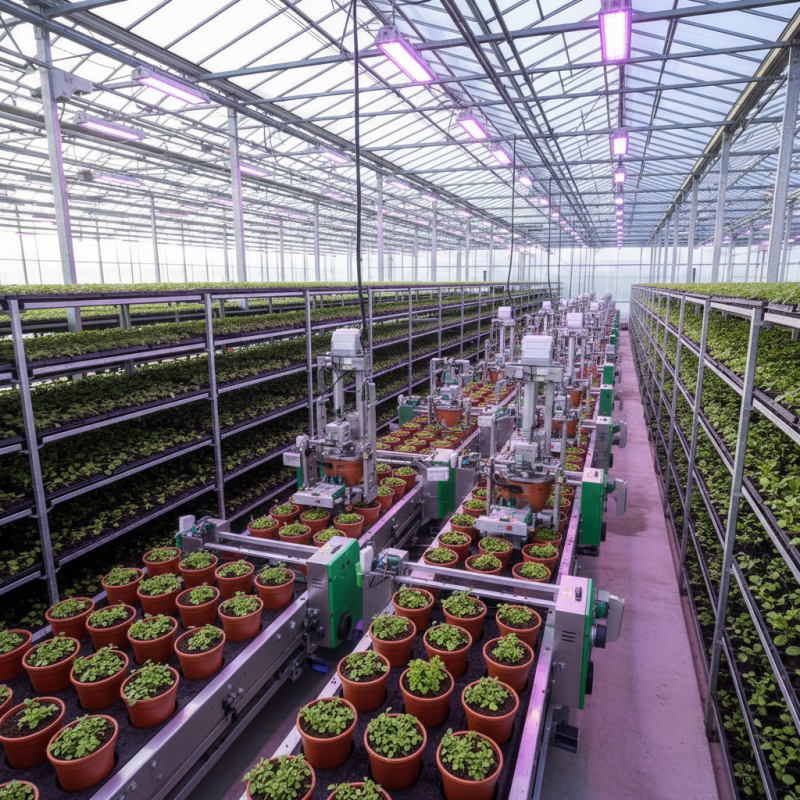
Pot tending machines represent a significant advancement in manufacturing processes, particularly in the horticulture and agriculture sectors. These machines automate the task of transferring pots between various stages of production. Data from industry reports indicate that automating pot handling can improve operational efficiency by up to 30%. Adjusting to new technology often brings challenges, yet the benefits are substantial.
The functionality of pot tending machines lies in their ability to streamline workflows. They minimize manual labor, reducing the risk of repetitive strain injuries. However, integrating these machines into existing systems can be complex. Training staff to operate and maintain the machines effectively is essential. Studies show that properly trained operators can increase productivity even further, sometimes exceeding 35%.
Moreover, the precision of pot tending machines ensures consistency in plant spacing and placement. This precision leads to uniform crop growth, positively impacting yield quality. However, companies should reflect on their specific needs before implementation. Not every facility may see the same level of efficiency advancements. Thus, assessing the cost versus the expected gains is crucial for informed decision-making.
Advantages of Automation in Pot Production
Automation in pot production brings notable advantages. It enhances efficiency, allowing for more consistent output. Automated systems reduce the chances of human error. This leads to higher quality products, as each pot receives the same attention to detail.
With automated pot tending machines, manufacturers can optimize their workflows. These machines can work around the clock, increasing overall production capacity. This flexibility enables businesses to meet growing demands. Yet, reliance on automation can lead to challenges. Regular maintenance is essential to avoid downtime.
Investing in technology requires strategy. Professionals must evaluate the integration of machines into existing processes. Training staff to work alongside these machines is crucial. Understanding both machine capabilities and limitations ensures smoother operations. Automation presents a path to improved efficiency, but it's not without its challenges.
Top Benefits of Pot Tending Machines for Efficient Production
The chart above illustrates the key benefits of using pot tending machines in production processes. The data highlights how automation can significantly improve efficiency, reduce costs, and enhance the overall quality of manufactured pots.
Cost Efficiency of Using Pot Tending Machines
Pot tending machines are revolutionizing production processes, particularly in cost efficiency. These machines automate essential tasks, reducing labor costs significantly. For many operations, this means reallocating funds to other critical areas. By minimizing human error, pot tending machines contribute to overall production quality. Errors in manual handling can lead to costly reworks, which are now less frequent.
The initial investment in pot tending machines can be daunting. However, the long-term savings often outweigh these costs. Maintenance and operational costs are typically lower compared to manual labor. Staff can focus on higher-level tasks, enhancing efficiency. Some businesses report a return on investment within a few years. Yet, not every facility is ready to transition. Staff training and machine compatibility are challenges that require thoughtful planning.
It’s essential to evaluate specific production needs. Some products may not yield significant savings through automation. In those cases, a thoughtful approach to integrating technology is crucial. Reflecting on how these machines fit into the existing workflow is vital for success. As industries evolve, staying adaptable is key to fully harnessing the benefits of technology.
Impact on Labor and Operational Efficiency
The use of pot tending machines significantly impacts labor and operational efficiency in agricultural production. These machines reduce the need for manual labor, allowing workers to focus on higher-level tasks. As a result, the overall workflow becomes smoother, reducing bottlenecks in production.
However, reliance on technology raises questions about training and adaptability. Employees must learn to operate these machines effectively. This process can take time and may create initial disruptions. Though the payoff is worth it, the transition period can slow down operations.
Moreover, technology can sometimes malfunction. Regular maintenance is crucial to prevent downtime. If a pot tending machine breaks, it may halt production. Addressing these issues with comprehensive training and preventative care can enhance productivity in the long run. While pot tending machines bring efficiency, they also require reflection on their implementation and management.
Top Benefits of Pot Tending Machines for Efficient Production
| Benefit | Description | Impact on Labor | Impact on Operational Efficiency |
|---|---|---|---|
| Increased Consistency | Automated processes reduce human error and variation in production. | Reduces need for constant supervision and retraining. | Streamlines production cycles, leading to quicker output. |
| Labor Cost Reduction | Less manual labor required, lowering wage expenses. | Fewer employees needed for pot tending tasks. | Allows reallocation of labor to more value-added activities. |
| Higher Throughput | Machines operate faster than human workers. | Enables existing workforce to handle increased production levels. | Higher output leads to better profit margins. |
| Improved Safety | Machines reduce the risk of injury associated with manual labor. | Fewer workplace accidents lead to lower insurance costs. | Enhanced safety measures promote a healthier work environment. |
| Data Collection | Machines can provide real-time feedback on production metrics. | Reduces time spent on data entry and analysis by labor. | Data-driven decisions enhance operational strategies. |
Integration with Other Agricultural Technologies
Pot tending machines are revolutionizing agricultural efficiency. Their integration with other technologies enhances productivity and precision. For instance, reports indicate that farms using automated systems can boost yield by 20% to 30%. This is achieved through accurate monitoring and optimal resource allocation, which minimizes waste.
These machines work well with IoT devices. Sensors can monitor soil moisture and plant health in real time. This data allows farmers to adjust irrigation and nutrient levels promptly. Additionally, drone technology can survey large fields, offering insights that inform decisions. Together, these systems create an efficient ecosystem.
Tip: Regularly update your technology to align with advances in agricultural practices. Data from industry reports shows that staying current can increase your operational efficiency by up to 15%.
Despite advancements, reliance on technology can create challenges. Not all farmers have the training needed to utilize these tools effectively. Misreading sensor data can lead to over or under-application of resources. Continuous education and training are key to overcoming these issues. Ensure that investment in technology includes training for a proficient workforce.
