

7 Best Compression Molding Machines for 2026
A good Compression Molding Machine match starts with the part, material, and production rhythm—not the largest tonnage. Platen area, available daylight, heating control, closing force, and mold-change access all matter. Watch the details. A crowded tool area or uneven heat can slow a line, even when the press looks impressive. For example, a thick composite panel may need different heat-soak and pressure timing than a small electrical housing. Operators should also inspect guarding, controls, and batch consistency before committing to a purchase.
This guide compares seven options using practical criteria: capacity, temperature consistency, automation, service access, and clear specifications. These points help buyers distinguish a compact workshop press from a high-output production system. Still, catalog data is not a factory trial. Actual cycle time depends on resin behavior, mold design, operator routines, and maintenance. Consider whether loading, unloading, and mold changes fit the available staffing and floor space.
Treat the shortlist as a starting point. Confirm force requirements, part dimensions, utility needs, safety features, and nearby service with each supplier. Ask for reference applications and a sample cycle using a comparable mold. A spec sheet rarely tells the whole story. That limitation deserves attention. This article highlights seven machines worth evaluating in 2026. The right choice still depends on your materials, parts, and operating targets.
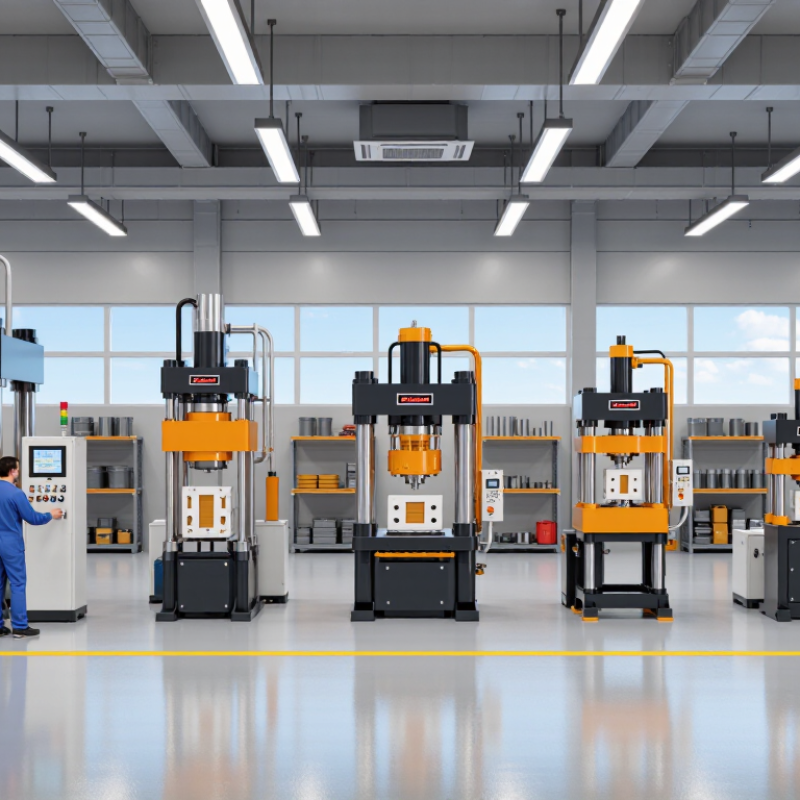
How Compression Molding Machines Work
Compression molding shapes material inside a matched metal mold using heat and pressure. An operator places a measured charge into the lower cavity, often as a preheated compound or sheet. The upper platen closes and presses the material across ribs, corners, and shallow details. Pressure helps fill the cavity. Heat softens the charge and starts curing in thermoset materials. Thermoplastics soften, flow, and then cool into shape; they do not cure in the same way.
The machine controls platen temperature, closing force, speed, and hold time. These settings must match the material and part geometry. Too little heat or dwell can leave weak areas; too much may degrade the material or trap defects. Vents allow air to escape, but poor vent placement can still cause blemishes. Small details matter. Before a run, operators check charge weight, mold cleanliness, alignment, and temperature readings. A slight shift in charge placement can change how material fills a corner. A setup that seems repeatable can still drift, so inspecting parts during production is sensible. The process is not perfectly forgiving, especially with thick sections or uneven charges.
7 Best Compression Molding Machines for 2026 – How Compression Molding Machines Work
Compression molding machines heat and close a mold around a measured charge of material. Pressure and heat help the material flow into the cavity and cure or cool before the mold opens. The force ranges below are indicative equipment classes, not specifications for a particular machine; actual requirements depend on the mold area, material, and process.
| Machine configuration | Indicative clamping-force class | How it works | Best suited to | Key advantage | Selection consideration |
|---|---|---|---|---|---|
| 1. Compact hydraulic heated-platen press | About 5–100 tons | A hydraulic cylinder closes heated platens around a mold. The charge is compressed and held at the set temperature and pressure for the required process time. | Laboratory trials, material testing, prototypes, and small molded parts. | Small footprint and straightforward temperature and pressure control. | Check platen size, daylight, opening stroke, and whether the press can maintain the required temperature uniformly. |
| 2. Four-column hydraulic press | About 50–1,500 tons | Four guide columns support and guide the moving platen as the hydraulic system closes the mold. Heated platens provide the heat needed for curing or forming. | General-purpose production, including thermoset, rubber, and composite parts. | Open access around the mold can make setup and mold changes more convenient. | Confirm platen parallelism, column spacing, mold height range, and the required ejection arrangement. |
| 3. H-frame hydraulic press | About 100–2,000 tons | A rigid frame carries the press load while a hydraulic ram drives the platen toward the fixed platen. The mold is heated and held closed during the molding cycle. | Larger molds, heavier tooling, and production where frame stiffness is important. | The frame provides a robust structure for high loads and substantial tooling. | Compare the working opening and loading access with the mold and material-handling layout. |
| 4. Vacuum-assisted compression press | About 50–2,000 tons | The press closes the heated mold while a vacuum system removes air and volatile gases from the mold area or cavity. Pressure and heat then consolidate and cure the charge. | Composite and thermoset parts where trapped air or void reduction is a process concern. | Vacuum assistance can help reduce air entrapment when the mold and process are designed for it. | Vacuum performance depends on sealing, venting, material behavior, and process settings; it does not guarantee void-free parts. |
| 5. Shuttle-table compression press | About 50–1,500 tons | A movable table carries the mold or charge into the pressing area. Depending on the design, another table may be accessible for loading or unloading while the press is occupied. | Production that benefits from quicker mold access or separate loading and pressing activities. | Can reduce idle time associated with loading and unloading at the press. | Check table travel, guarding, operator access, and whether the cycle time allows safe parallel loading tasks. |
| 6. Multi-daylight compression press | About 100–2,000 tons per press, depending on design | Multiple heated platens create several mold openings. The machine applies compression across the stack so multiple mold sets can be processed in one press cycle. | High-volume production of relatively thin sheet, panel, or molded parts compatible with stacked tooling. | Several mold openings can increase output per press cycle. | Review force distribution, platen parallelism, loading method, and the number and thickness of mold sets. |
| 7. Rubber compression molding press | About 50–1,500 tons | A measured rubber charge is placed in a heated mold. The press closes the mold, forcing the compound to fill the cavity as heat and pressure cure it; the part is removed after the specified cure cycle. | Seals, gaskets, pads, and other rubber components suited to compression molding. | A direct process for molded rubber parts with relatively simple tooling and charge placement. | Cure time, compound behavior, flash control, mold temperature, and part removal all affect productivity. |
How to compare options: Size the press for the projected mold area and required molding pressure, then verify platen dimensions, daylight, stroke, temperature control, cycle requirements, safety features, and automation needs. The force classes shown are broad indicative ranges; press capability and suitable applications vary by machine design and tooling.