

Quality Mold

7 Best Energy Efficient Aluminum Windows for Buyers

Choosing replacement windows involves more than frame color or price. Energy efficient aluminum windows can offer slim sightlines, durable frames, and useful daylight, but performance varies by product. Aluminum conducts heat readily, so frame design matters. A well-designed thermal break separates interior and exterior metal, helping limit heat transfer. Good glazing and tight seals also affect comfort. Look beyond marketing claims. Compare published U-factor and solar heat gain coefficient ratings, and check whether they suit your climate. Numbers need context.

Climate changes what “efficient” means. A sunny room may benefit from different glazing than a shaded one, while cold winters make insulation especially important. Installation matters, too. Even a strong window can underperform if gaps around the frame allow drafts or moisture. Ask about glass options, frame construction, warranties, and installation requirements before comparing models. Details matter. This guide reviews seven aluminum window choices using practical factors, including thermal performance, design, and available features. Product specifications can change, and ratings may depend on size or configuration, so verify current details with the manufacturer. No window is perfect, and a high rating on paper does not guarantee comfort in a real room. That distinction is easy to overlook. The right choice balances measured performance with the needs of your home, local conditions, and budget.
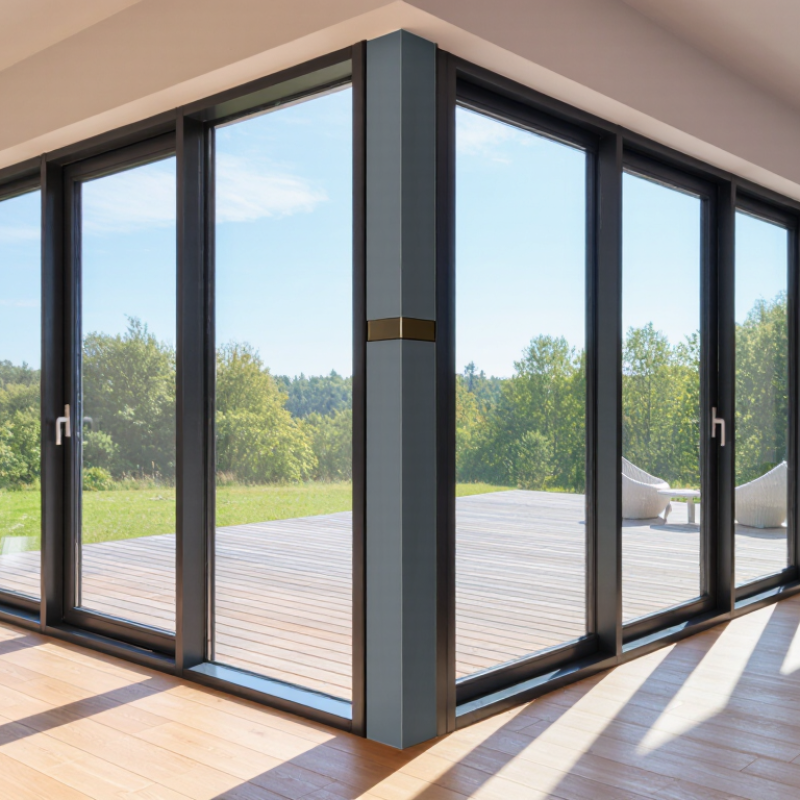
7 Best Energy Efficient Aluminum Windows for Buyers

How Aluminum Frames Transfer Heat: Thermal Breaks and Frame Conductivity

Aluminum frames are strong and slim, but they also conduct heat readily. NIST material-property data put pure aluminum’s thermal conductivity near 237 W/m·K at room temperature. In a window, that can create a direct path for heat to move from a warm room to cold outdoor air. The result may be a chilly frame edge or condensation on winter mornings.

A thermal break interrupts that path with a low-conductivity material between the frame’s inner and outer sections. It helps, but it does not make every aluminum window equally efficient. Frame design, glazing, seals, and installation all affect performance. The National Fenestration Rating Council’s whole-window U-factor accounts for heat transfer through the complete unit; lower values indicate less heat loss. Check the certified rating, not just the glass specification. Even a good frame can underperform if the sill is poorly sealed.

Tips: Compare whole-window U-factors for your climate, and inspect the thermal break in a frame cross-section. Ask how the window handles condensation at corners. That detail is easy to overlook. Aluminum offers durability and narrow sightlines, but comfort still depends on the complete assembly—and sometimes the installation is the weak link.

How NFRC U-Factor and SHGC Ratings Measure Window Energy Performance

When comparing energy-efficient aluminum windows, NFRC ratings offer a useful starting point. The U-factor measures how quickly heat moves through the whole window, including its frame and glass. A lower number generally means less heat escapes in winter and less outdoor heat enters in summer. That matters. Check that you are comparing ratings in the same units and for similar window sizes.

SHGC, or Solar Heat Gain Coefficient, measures how much solar heat passes through the window. A lower rating can help limit afternoon heat in a sunny room. In colder climates, a higher rating may allow welcome sunlight to warm interior spaces. Orientation matters, too: a west-facing window can receive intense late-day sun, while a shaded north-facing window behaves differently. I still find these labels easy to overread. One number rarely tells the whole story.

Treat both ratings as evidence, not a promise about your energy bill. Air leakage, installation quality, shading, and indoor temperature also affect real performance. A carefully rated window can still underperform if gaps remain around its frame. Look for the NFRC label on each specific product configuration; glass options and frame designs can change the figures. Compare ratings against your climate and the room’s exposure, rather than choosing the lowest value on every line.

7 Best Energy-Efficient Aluminum Window Configurations for Buyers — How NFRC U-Factor and SHGC Ratings Measure Window Energy Performance
Configuration Typical NFRC U-Factor Range
(Btu/h·ft²·°F)
Typical NFRC SHGC Range Energy-Performance Features Often Suited To What to Check Before Buying
Thermally broken frame with double-pane low-E glass 0.25–0.32 0.20–0.40 Insulating barrier in the aluminum frame; low-emissivity coating helps limit heat transfer. Many mixed and warm climates, depending on solar exposure. Compare the NFRC-certified whole-window ratings, not glass-only specifications.
Thermally broken frame with double-pane low-E glass and argon fill 0.23–0.30 0.20–0.40 Argon between panes can reduce heat transfer through the glazing when the sealed unit is intact. Buyers seeking a balance of insulation and cost in mixed climates. Confirm the stated gas fill and check the complete product’s certified rating.
Thermally broken frame with triple-pane low-E glass 0.18–0.26 0.15–0.35 An additional pane and insulating cavity can reduce heat flow; performance depends on glass and spacer design. Cold climates or locations with high heating demand. Check frame depth, operating style, installation details, and the product’s certified U-Factor.
Thermally broken frame with spectrally selective low-E glass 0.23–0.31 0.15–0.30 Coating is designed to admit visible daylight while limiting a portion of solar heat gain. Hot, sunny climates or rooms with substantial sun exposure. Review SHGC alongside visible light needs; a lower SHGC reduces solar heat gain but may also reduce passive winter heat.
Thermally broken frame with higher-solar-gain low-E glass 0.23–0.31 0.35–0.55 Low-E glazing can retain insulating benefits while allowing more solar heat gain than lower-SHGC options. Cold climates where useful winter sunlight is a priority. Consider orientation, shading, and overheating risk; SHGC alone does not determine comfort.
Thermally broken frame with warm-edge spacer and double-pane low-E glass 0.23–0.30 0.20–0.40 A lower-conductivity spacer can reduce heat flow at the glass edge and may help limit edge condensation. Mixed or cold climates where edge performance is important. Ask for the NFRC whole-window rating and details of the spacer and frame thermal break.
Thermally broken frame with triple-pane low-E glass and argon fill 0.17–0.24 0.15–0.35 Combines three-pane glazing with insulating gas; actual results vary with coatings, spacers, frame, and window size. Cold climates and buyers prioritizing lower heat loss. Verify the exact NFRC label for the selected size and operating type; compare installed cost and expected climate benefits.

How to read the ratings: U-Factor measures the rate of heat transfer through the whole window; a lower value generally indicates better insulation. SHGC (Solar Heat Gain Coefficient) measures the fraction of solar heat admitted; a lower value means less solar heat gain. The ranges above are general, illustrative comparison benchmarks for window configurations—not certified ratings for specific products. Actual NFRC values vary by design, size, glazing, and operating style. Check the NFRC label for the exact window being considered.

Seven Efficient Aluminum Window Types: Glazing, Gas Fills, and Frame Design

Efficient aluminum windows begin with the frame. Aluminum conducts heat readily, so a thermal break—a nonmetal strip separating the inner and outer frame—helps slow heat transfer. The U.S. Department of Energy’s Energy Saver guidance estimates that windows account for 25–30% of residential heating and cooling energy use.

That figure makes frame design more than a cosmetic choice.

Seven useful options are:

  • thermally broken frames
  • double-pane low-E glazing
  • triple-pane low-E glazing
  • argon-filled units
  • krypton-filled units
  • warm-edge spacers
  • deeper frames designed to hold thicker glazing.

Low-E coatings limit radiant heat flow; gas fills reduce heat transfer between panes. Warm-edge spacers can also reduce heat loss near the glass perimeter. Not magic. Performance depends on the complete assembly, not one feature alone.

Compare the National Fenestration Rating Council’s U-factor and solar heat gain coefficient ratings, rather than relying on “energy efficient” labels. Lower U-factors generally indicate better insulation, while the preferred solar gain depends on climate and window orientation. A sunny south-facing room may benefit from different glazing than a shaded north-facing one. Check air leakage, seals, and installation details too; even a strong frame performs poorly if cold air slips around its edges. There is no universal best configuration, and ratings deserve a second look against local conditions.

Compare Options With ENERGY STAR v7.0 U-Factor Limits: 0.22–0.32 by Zone

For aluminum windows, compare the whole-window U-factor with the ENERGY STAR v7.0 limit for your climate zone: 0.22 in the Northern zone, 0.25 in North-Central, 0.28 in South-Central, and 0.32 in the Southern zone. Lower values indicate less heat transfer. Check the NFRC label, not just a glass specification; the frame, spacer, and sash affect the rated assembly. A triple-pane unit may look impressive, yet its rating still needs to meet the relevant zone limit.

Aluminum conducts heat readily, so look for a well-designed thermal break separating interior and exterior frame surfaces. Compare frame depth, glazing layers, and edge-of-glass details across the seven options. Ask for the exact whole-product U-factor and confirm that the rating applies to the size and configuration you plan to buy. Small details matter.

A low U-factor is useful, but it does not describe every comfort issue. Air leakage, installation quality, and solar heat gain can also influence room temperature. I would not assume the lowest number is automatically the best fit; a shaded north-facing room and a sunny west-facing room may need different choices. Even careful comparisons have limits. The rating cannot predict every draft caused by a poor installation.

7 Best Energy Efficient Aluminum Windows for Buyers — ENERGY STAR v7.0 U-Factor Limits by Zone

These bars show the maximum qualifying U-factor for residential windows in each climate zone: Northern 0.22, North-Central 0.25, South-Central 0.28, and Southern 0.32 Btu/(h·ft²·°F). A lower U-factor means less heat transfer. These are certification limits, not ratings for specific aluminum window products.

Check NFRC Air-Leakage Ratings, Installation Quality, and Lifetime Costs

When comparing energy-efficient aluminum windows, check the NFRC label for air leakage, not just the advertised efficiency. A lower air-leakage rating generally means less air passes through the closed window. Compare ratings for similar window styles and sizes; a fixed window and an operable one may perform differently. Also review the U-factor and solar heat gain coefficient for your climate. Aluminum transfers heat readily, so a well-designed thermal break between the inner and outer frame can make a meaningful difference. Small gaps matter.

Even a strong product can underperform if installation is careless. Ask how the installer will flash and seal the opening, and whether the sill will drain properly. Look for an even frame, smooth operation, and an intact seal after installation. I would not judge workmanship by a neat bead of caulk alone; hidden flashing details are easy to overlook. Lifetime cost includes more than the purchase price: consider expected energy use, cleaning, seal or hardware repairs, and how long replacement parts may remain available.

Tips: Request the NFRC label and a written installation scope. Check for drafts around the frame on a windy day. Compare estimated costs over the years you expect to own the home, while remembering that actual energy savings depend on local weather and how you use the rooms.