

10 Best Injection Moldable Plastics for Your Next Project?
When considering your next project, choosing the right materials is crucial. One popular option is injection moldable plastics. These materials offer versatility and durability, making them ideal for various applications. From consumer products to automotive parts, the right plastic can make all the difference.
However, not all injection moldable plastics are created equal. Each type has unique properties and limitations. Some may be better suited for high-temperature environments, while others excel in flexibility. It's essential to evaluate your project’s specific needs. This assessment can prevent costly mistakes later on.
This guide will explore the ten best injection moldable plastics available. Choosing wisely can enhance your project's success while minimizing potential setbacks. Keep these insights in mind as you make your decision. Exploring the characteristics of these materials can lead to better outcomes.
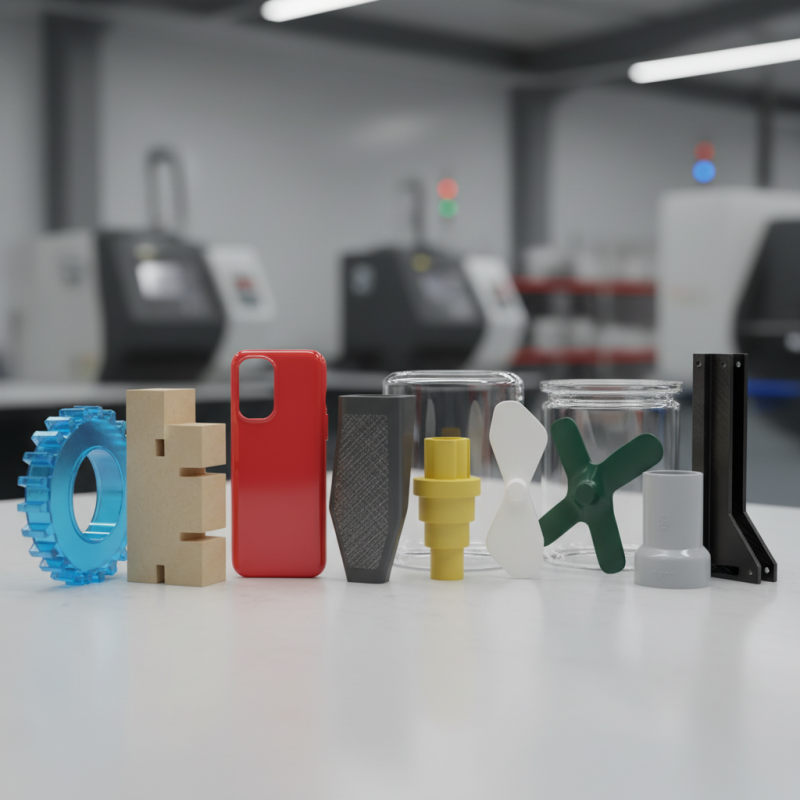
Overview of Injection Moldable Plastics and Their Applications
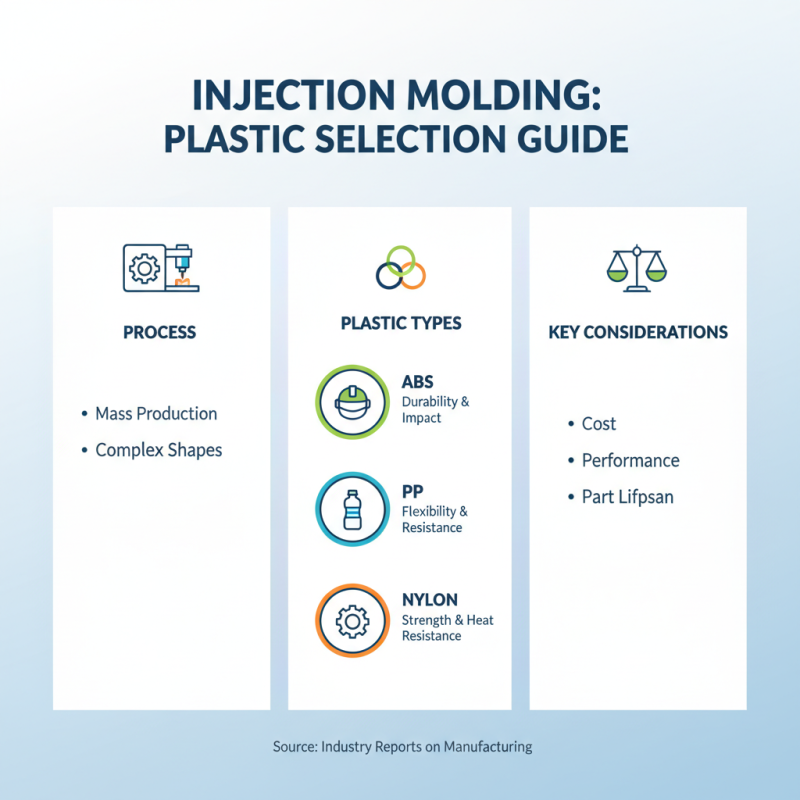
Injection molding is a popular manufacturing process. It allows for the mass production of complex shapes. Many industries rely on various types of plastics for this process. Choosing the right plastic can affect durability, cost, and performance.
There are several types of injection moldable plastics available. Polypropylene is known for its flexibility and resistance to chemicals. It’s widely used in packaging and automotive parts. ABS is another option; it provides toughness and is easy to paint. However, it may not withstand high temperatures, which can be a limitation.
Engineering plastics like nylon and polycarbonate offer excellent strength. They are ideal for mechanical applications but can be more expensive. When selecting a plastic, consider factors like the intended use and potential exposure to heat or chemicals. Overlooking these details can lead to project failures. Each choice has trade-offs that demand careful consideration.
Key Properties to Consider When Choosing Injection Moldable Plastics
When selecting injection moldable plastics, understanding key properties is essential. The choice affects the final product’s durability, appearance, and cost. Key parameters to consider include strength, flexibility, temperature resistance, and chemical compatibility. A recent industry report indicates that nearly 70% of manufacturers prioritize strength when choosing materials.
Flexibility is another crucial factor. Some projects require materials that can withstand bending and impacts. Polymers like polypropylene provide excellent flexibility. They can endure stress without breaking. It's advisable to assess the specific application needs. Plastic materials vary greatly in these regards.
Tip: Always conduct a test run with your selected material. Small-scale trials can reveal unexpected challenges.
Furthermore, temperature resistance impacts product longevity. For example, if a project involves high heat, materials like polycarbonate may be preferable. Ignoring temperature specifications can lead to product failure, especially in demanding environments. Ensuring chemical compatibility is equally critical. A mismatch can result in degradation or failure of the product.
Tip: Consult databases or material safety data sheets for chemical compatibility guidance. This ensures you make informed decisions for successful outcomes.
Top 10 Injection Moldable Plastics for Various Project Needs
When selecting injection moldable plastics for your project, consider various factors. The material can greatly impact the design, durability, and overall performance. Some common options include ABS, known for its impact resistance, and Polycarbonate, which offers excellent strength and clarity. Selecting the wrong material could lead to unexpected complications in production.
Different projects call for different plastics. For projects requiring high heat resistance, PEEK is a strong candidate. It withstands high temperatures while maintaining structural integrity. However, it can be challenging to mold and requires careful consideration. Another option is Nylon, which provides good flexibility and wear resistance. Yet, it can absorb moisture, which might affect its performance.
Ultimately, the choice of plastic should align with the specific requirements of your project. It is crucial to consider factors like environmental conditions and mechanical stress. If unsure, seek expert advice. Sometimes, trial and error can lead to insights that standard guidelines do not cover.
Comparative Analysis of Performance and Cost of Each Plastic Type
When it comes to selecting injection moldable plastics, understanding their performance and cost is crucial. Each plastic type offers unique characteristics that can significantly impact your project. For example, ABS offers good impact resistance but can be costlier than other options. On the other hand, polypropylene may be lightweight and affordable but lacks the strength of some alternatives.
Here are some tips to consider. Assess your project's requirements carefully. If high durability is needed, look into polycarbonate. It can be more expensive, but it performs better under stress. Likewise, if budget constraints are tight, recycled plastics can be a viable option. They’re eco-friendly and often cheaper.
Keep in mind the processing conditions too. Some plastics require specific temperatures for optimal results, which can affect production costs. Polyethylene, for instance, is easier to mold at lower temperatures. However, it may not provide the same level of finish as more expensive plastics. Ensure your choice aligns with both performance needs and budgetary limits, even if this requires some compromise.
10 Best Injection Moldable Plastics for Your Next Project - Comparative Analysis of Performance and Cost
| Plastic Type | Tensile Strength (MPa) | Impact Resistance (J/m) | Cost per kg ($) | Heat Resistance (°C) | Applications |
|---|---|---|---|---|---|
| ABS | 40 | 75 | 2.50 | 80 | Consumer goods, Automotive |
| Polyethylene (PE) | 30 | 150 | 1.00 | 70 | Packaging, Bottles |
| Polypropylene (PP) | 30 | 100 | 1.20 | 100 | Automotive, Textiles |
| Polyvinyl Chloride (PVC) | 50 | 70 | 1.50 | 60 | Construction, Medical |
| Polystyrene (PS) | 25 | 50 | 1.80 | 70 | Consumer products, Toys |
| Nylon (PA) | 60 | 80 | 3.00 | 180 | Automotive, Textiles |
| Polycarbonate (PC) | 70 | 900 | 4.00 | 120 | Electronics, Safety glasses |
| Acrylic (PMMA) | 70 | 20 | 2.50 | 80 | Lighting, Displays |
| Thermoplastic Elastomers (TPE) | 25 | 100 | 3.00 | 85 | Medical, Consumer goods |
| Polylactic Acid (PLA) | 50 | 30 | 1.50 | 60 | Food packaging, 3D printing |
Guidelines for Selecting the Right Plastic for Your Project Requirements
Choosing the right plastic for your project is crucial. Every application demands specific properties. Start by identifying the characteristics you need: strength, flexibility, and temperature resistance. Each plastic type serves different applications. Some materials excel in durability while others are lightweight.
Consider the environment where the product will be used. Will it face UV light? Will it be exposed to chemicals? These factors significantly influence your choice. It's easy to overlook these aspects. Many projects have failed due to inappropriate material choices. A deeper understanding of material properties is essential.
Don’t forget about production costs. Some plastics may seem ideal but are expensive to process. Balancing performance and budget can be challenging. Test samples whenever possible. This trial phase highlights flaws that theoretical knowledge might miss. A seemingly perfect plastic may not perform as expected. Be ready to adapt your plans. Embrace the learning process to achieve the best results.
Related Posts
-
Exploring Innovative Alternatives to Injection Moldable Plastics for Sustainable Production
-
Mastering Injection Mold Fabrication: A Step-by-Step Guide for Beginners
-
Exploring Innovative Alternatives to Mold Plastic Injection in Modern Manufacturing: Trends and Insights
-
The Future of Injection Tooling Innovations and Opportunities
-
How to Optimize Your Plastic Injection Tooling Process for Maximum Efficiency
-
How to Optimize Your Production Process with Medical Injection Moulding Techniques
