
Quality Mold

China Top 10 Injection Molding Manufacturers to Learn From

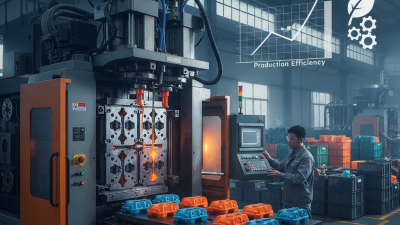
China’s injection molding industry supports electronics, automotive parts, medical devices, packaging, and everyday consumer products. Its leading manufacturers combine mold design, material selection, precision machining, automated production, and quality control. This guide examines ten companies that offer useful lessons for buyers, engineers, and industry learners.

The selection considers manufacturing experience, technical capability, equipment, certifications, production scale, export performance, and customer support. It also looks beyond polished websites. Factory communication, sample consistency, lead-time control, and after-sales response can reveal more than promotional claims. Small details matter. A clean mold workshop, organized inspection records, and stable process data often indicate professional discipline. Still, no supplier is perfect. A company may excel at high-volume automotive parts but struggle with complex medical components. Another may offer advanced machinery but provide limited design support.

Readers who want to learn injection molding can use these manufacturers as practical reference points. Their differences show how product requirements influence mold steel, cooling design, injection speed, tolerances, and production costs. The discussion avoids treating company size as the only measure of reliability. Independent verification remains necessary. Buyers should request recent project examples, material traceability, inspection reports, and clear quotations before making decisions. This article is not a substitute for technical auditing. It is a starting point for informed comparison, and some conclusions may change as factories upgrade equipment, enter new markets, or improve their processes.
China Top 10 Injection Molding Manufacturers to Learn From

Industry Overview: What Injection Molding Manufacturers Do

Injection molding manufacturers turn plastic pellets into precise, repeatable components. Their work begins with product drawings, material selection, and mold design. Engineers study wall thickness, cooling paths, draft angles, and expected production volume. Small design errors can create warping, sink marks, or difficult part removal.

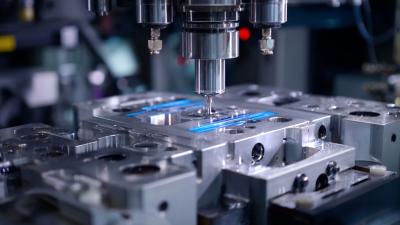
The mold is usually machined from durable steel or aluminum. Before production, technicians test the tool through trial runs. They adjust injection pressure, temperature, cooling time, and clamping force. These settings directly affect surface finish, dimensions, and cycle time. A skilled manufacturer records each change instead of relying on memory. That habit improves consistency.

Quality control continues after molding. Workers inspect critical dimensions with calipers, gauges, or coordinate measuring equipment. They also check flash, short shots, discoloration, and visible stress. Material drying is important for moisture-sensitive plastics. Poor drying can weaken parts or leave bubbles. It is easy to overlook.

Manufacturers also manage production planning, maintenance, packaging, and traceability. They may support design changes when a component is too expensive or difficult to mold. Practical experience matters here. A theoretically perfect design may still waste material or require an unrealistic cycle time. Not every improvement works on the first attempt. Careful testing remains necessary.

How to Evaluate China’s Injection Molding Manufacturers

China Top 10 Injection Molding Manufacturers to Learn From

Evaluating China’s injection molding manufacturers requires more than comparing prices. Start with their production experience, engineering depth, and quality records. Ask how they control resin batches, mold maintenance, and dimensional inspection. A reliable factory should share clear process documents, not vague promises. Review its equipment list, clamping range, automation level, and experience with similar parts.

Request samples made from the same material and mold conditions as your project. Inspect flash, sink marks, weld lines, warpage, and surface consistency. Measurement reports should include tolerances, equipment details, and inspection dates. It also helps to study the manufacturer’s response to previous defects. Good suppliers explain causes and corrective actions. No factory performs perfectly every time. What matters is whether it learns quickly and records the lesson.

Tips: Arrange a live video tour or an independent factory audit. Confirm production capacity with actual monthly figures. Check whether engineers join design-for-manufacturing reviews before tooling begins. Ask about mold ownership, spare parts, delivery buffers, and change-control procedures. A capable partner will discuss risks openly, including difficult materials or unstable cycle times. Be cautious when every answer sounds effortless. That confidence may hide missing evidence. Personally, I would value a detailed trial report over polished sales language. Small gaps can remain, but unexplained gaps deserve further questions.

China Top 10 Injection Molding Manufacturers to Learn From: How to Evaluate Manufacturers

A practical evaluation framework for comparing injection molding suppliers without relying on company names or brand-specific data.

How to use this chart: Score each manufacturer against the six criteria, multiply each score by its corresponding weight, and compare the resulting weighted totals. Quality systems and process capability receive the highest weights because they directly influence repeatability, defect rates, and production consistency.

Top 10 Chinese Manufacturers and Their Core Strengths

China Top 10 Injection Molding Manufacturers to Learn From

China’s leading injection molding manufacturers compete through specialization, not only low pricing. Fortune Business Insights estimated the global injection molding machine market at about USD 15.81 billion in 2023. The same report expects continued growth through 2032. This pressure rewards suppliers with stable process control, fast tooling, and documented quality systems.

The top ten Chinese manufacturers typically show different core strengths. Some focus on precision molds for medical and electronics applications. Others perform better in large automotive parts, thin-wall packaging, or rapid prototyping. Several combine mold design, CNC machining, molding, and assembly under one roof. That integration can reduce handoffs and shorten sampling cycles. Advanced factories often use automated material drying, in-mold sensors, and real-time defect tracking. ISO 9001 certification helps, but it does not prove every process is reliable. A production audit remains necessary. My concern is simple: many comparison articles praise capacity without checking reject rates, maintenance records, or actual delivery history.

Tips: Ask for recent first-article reports, cavity-balance data, and a video of the molding floor. Confirm resin traceability and mold ownership in writing. Request sample parts from the same production line, not showroom pieces. Grand View Research also identifies automation and energy efficiency as important market drivers. Therefore, evaluate electricity consumption, machine utilization, and preventive maintenance. A cheaper quote may hide longer setup times. Check the details.

China Top 10 Injection Molding Manufacturers to Learn From - Top 10 Chinese Manufacturers and Their Core Strengths
Rank Anonymous Manufacturer Profile Major Manufacturing Base Core Injection Molding Processes Typical Machine Capability Primary Application Areas Common Quality Systems and Compliance Core Strength to Learn From
1 Profile 01
High-volume precision supplier
Guangdong Province Precision injection molding, insert molding, automated assembly, multi-cavity production Approximately 80–1,600 tonnes; engineering thermoplastics and commodity resins Consumer electronics, household appliances, medical housings, industrial components ISO 9001; customer-specific inspection plans; traceability and in-process control Strong integration of mold design, process engineering, automation, and mass production.
2 Profile 02
Complex tooling specialist
Shanghai Municipality Complex mold manufacturing, thin-wall molding, tight-tolerance molding, scientific molding Approximately 50–1,300 tonnes; high-precision molds with hot-runner systems Automotive interiors, electrical equipment, medical devices, precision instruments ISO 9001; documented mold validation; dimensional inspection using CMM equipment Advanced tooling capability and disciplined control of dimensional accuracy and repeatability.
3 Profile 03
Automotive component producer
Zhejiang Province Structural-part molding, gas-assisted molding, insert molding, overmolding Approximately 160–3,600 tonnes; large-part and reinforced-material processing Automotive interiors, under-hood components, mobility equipment, industrial systems ISO 9001; automotive quality management practices; PPAP and process-control documentation Capability in large, durable, appearance-sensitive parts and stable automotive production programs.
4 Profile 04
Medical and clean-production supplier
Jiangsu Province Cleanroom injection molding, medical-grade molding, insert molding, automated inspection Approximately 30–500 tonnes; high-repeatability molding for small and medium components Medical consumables, diagnostic equipment, laboratory products, pharmaceutical packaging ISO 13485; ISO 9001; controlled production environments; lot traceability Strong contamination control, validation discipline, documentation, and regulatory-oriented production.
5 Profile 05
Export-oriented contract manufacturer
Fujian Province Custom injection molding, two-shot molding, overmolding, secondary assembly Approximately 60–1,200 tonnes; short- and medium-to-large production runs Consumer products, electrical accessories, packaging components, outdoor equipment ISO 9001; export inspection procedures; first-article approval and batch sampling Efficient coordination of tooling, sourcing, production, packaging, and international fulfillment.
6 Profile 06
Precision electronics supplier
Guangdong Province Micro molding, thin-wall molding, insert molding, automatic visual inspection Approximately 20–450 tonnes; high-speed presses and precision molds Connectors, sensors, electronic enclosures, telecommunications components ISO 9001; ESD control; capability studies; automated optical inspection Excellent repeatability for small components, tight tolerances, high-cavitation tools, and fast cycles.
7 Profile 07
Large-part molding specialist
Shandong Province Large-part injection molding, structural-foam molding, gas-assisted molding, robotic handling Approximately 500–5,000 tonnes; large molds and high-shot-weight applications Industrial equipment, logistics products, furniture components, automotive parts ISO 9001; mold-flow analysis; dimensional inspection; production process audits Strong performance in large molded parts, warpage management, material distribution, and cycle optimization.
8 Profile 08
Packaging and thin-wall producer
Zhejiang Province Thin-wall packaging, high-speed molding, cap and closure molding, in-mold labeling Approximately 100–1,000 tonnes; high-speed multi-cavity production systems Food packaging, personal care, household packaging, consumer containers ISO 9001; food-contact compliance where applicable; hygiene controls; batch traceability High productivity, consistent wall thickness, rapid cycle times, and effective material-cost control.
9 Profile 09
Engineering-plastics specialist
Anhui Province Reinforced-resin molding, high-temperature polymer processing, insert molding, precision machining Approximately 80–1,800 tonnes; glass-filled, flame-retardant, and engineering polymers Electrical systems, industrial controls, power equipment, transportation components ISO 9001; material-certification records; incoming inspection; process capability monitoring Expertise in difficult materials, shrinkage control, thermal management, and long-term part reliability.
10 Profile 10
Integrated mold-to-assembly supplier
Chongqing Municipality Injection molding, mold maintenance, pad printing, ultrasonic welding, final assembly Approximately 100–2,000 tonnes; flexible production for prototype, pilot, and volume orders Automotive electronics, appliances, industrial products, consumer hardware ISO 9001; engineering change control; final inspection; supplier and process audits One-stop project management that reduces handoffs between tooling, molding, decoration, and assembly.

Note: The profiles are presented without company or brand names. Machine ranges and process descriptions represent commonly published operating capabilities for comparable Chinese injection molding manufacturers; exact specifications should be confirmed directly with each supplier.

Manufacturing Capabilities, Materials, and Quality Standards

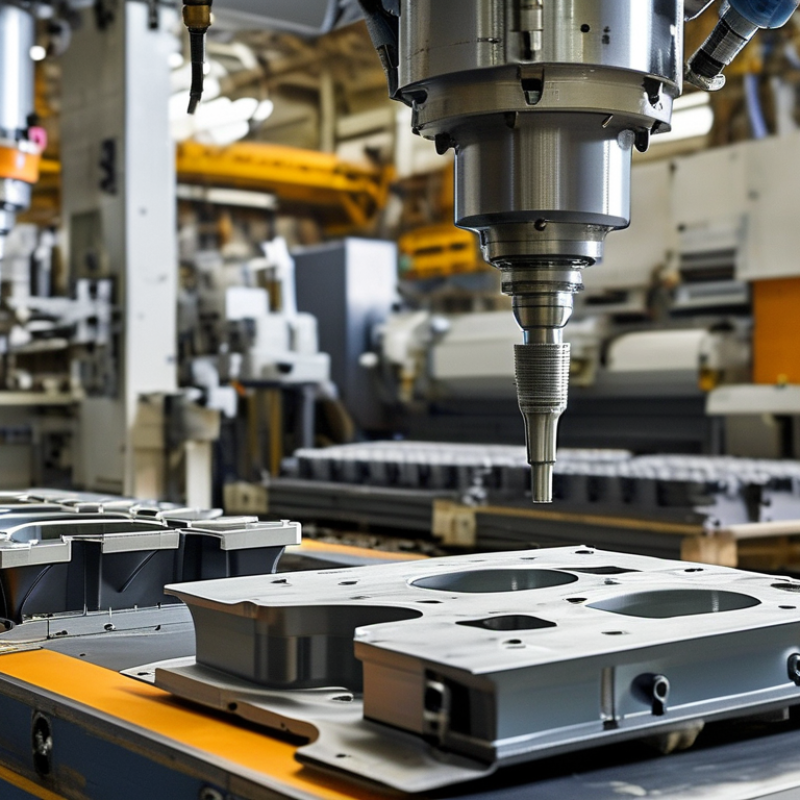
China’s top injection molding manufacturers are judged by more than machine count. Their real strength appears in process control, material discipline, and repeatable output. A capable factory may run electric and hydraulic presses, from small prototypes to large housings. Engineers review mold-flow results before cutting steel. They then adjust gates, cooling channels, and ejector placement. On the shop floor, operators track barrel temperature, injection speed, holding pressure, and cycle time. Small changes matter. A warped panel can reveal uneven cooling, not poor assembly.

Material selection should match function, environment, and service life. Common options include ABS, polycarbonate, polypropylene, nylon, POM, and glass-filled grades. Engineers should check shrinkage, moisture sensitivity, chemical exposure, and impact requirements before approving a resin. Incorrect nylon drying can create bubbles or brittle parts. That detail is easy to miss. Reliable suppliers preserve batch records, verify resin certificates, and separate regrind from approved production material. Color matching also needs measurable targets, not visual confidence alone.

Quality systems become credible when evidence is easy to trace. Strong manufacturers commonly follow ISO 9001 procedures and apply sector-specific controls where required. Inspection plans may include first-article approval, calibrated gauges, CMM reports, leak testing, and production sampling. Professional teams also record mold maintenance, cavity balance, corrective actions, and packing conditions. Yet no factory is flawless. Tool wear, humidity changes, or rushed sampling can create hidden variation. Buyers should review production data, audit critical steps, and test parts under realistic loads before approving volume production.

Choosing the Right Injection Molding Partner for Your Project

China’s top ten injection molding manufacturers may attract attention, but rankings rarely reveal project fit. The right partner should match your resin, tolerances, production volume, and compliance needs. According to Grand View Research, the global injection molded plastics market is expanding steadily, increasing pressure on suppliers to deliver consistent quality and shorter lead times. Growth alone does not guarantee capability.

In practice, request a documented design-for-manufacturing review before signing. A capable team should identify wall-thickness variation, sink marks, weld lines, draft angles, and cooling risks. Ask for mold-flow analysis, material traceability, dimensional reports, and process capability data. A first-article report should show measured results, not only attractive samples. Check whether the factory controls mold maintenance, cavity balance, and inspection equipment internally. Small details matter.

Do not choose by unit price alone. Mordor Intelligence’s injection molding machine market analysis forecasts continued global growth through 2030, yet capacity can become a weakness during peak demand. Ask for realistic monthly capacity, backup equipment, and corrective-action records. Factory visits help, but they are not enough. Review failed-part handling and supplier communication too. I would also question vague promises. “Zero defects” sounds reassuring, but it is not a measurable production plan. Define acceptance limits, response times, packaging standards, and ownership of tooling changes in writing. Good cooperation may feel less exciting than a low quotation. It is usually safer.