

Quality Mold

Why Choose Single Arm Robots for Your Automation Needs?

As industries evolve, many are turning to automation for increased efficiency. Single Arm Robots have emerged as a powerful solution. According to a recent report by the International Federation of Robotics, the global market for industrial robots reached $50 billion in 2021, with a projected annual growth rate of 14%. This growth highlights the valuable role of automation in manufacturing and logistics.

Single Arm Robots are particularly versatile. They can perform various tasks such as assembly, packaging, and material handling. Their compact design allows them to fit into tight spaces. In a study by McKinsey, 90% of organizations noted significant productivity improvements after implementing robotic solutions. However, choosing the right robotic system can be challenging. It’s essential to consider your operations' specific needs and potential drawbacks.

Despite their advantages, Single Arm Robots also come with some limitations that require reflection. For instance, their weight capacity may not meet every manufacturing requirement. Continuous training and support systems can also be costly. By carefully assessing these factors, businesses can make informed decisions on integrating Single Arm Robots into their automation strategies.
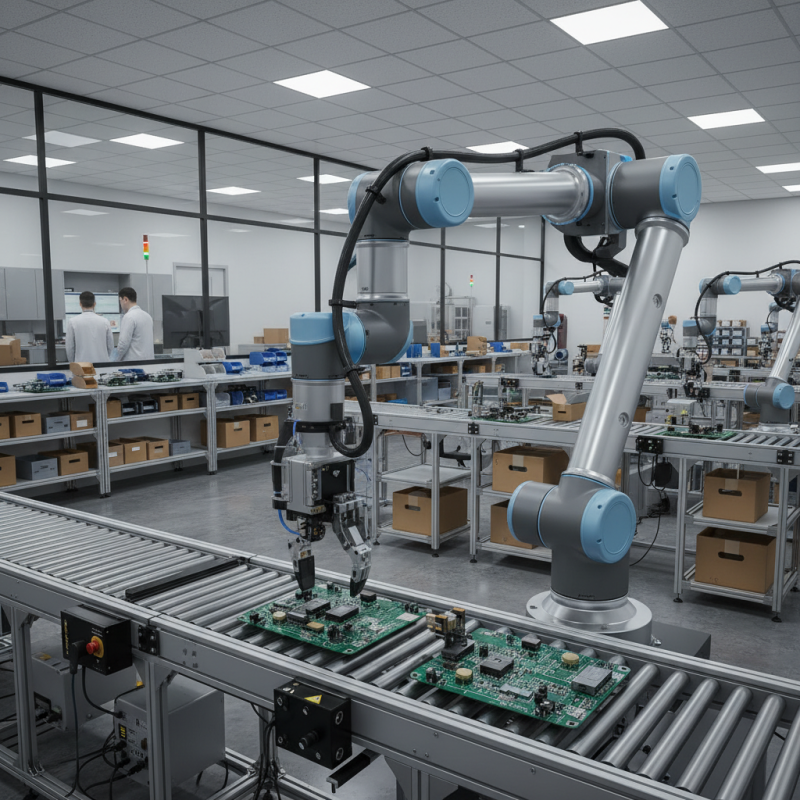
Why Choose Single Arm Robots for Your Automation Needs?

Benefits of Single Arm Robots in Industrial Automation

Single arm robots are becoming increasingly popular in industrial automation due to their versatility and efficiency. They are designed for tasks requiring precision and speed. These robots excel in assembly, welding, and packaging processes. Their compact design allows them to fit seamlessly into production lines without occupying much space.

One major benefit of single arm robots is their cost-effectiveness. They typically require less initial investment compared to multi-arm systems. This affordability makes them accessible for small to medium enterprises. Additionally, their ease of programming means companies can quickly adapt them to different tasks. This flexibility can lead to significant productivity gains over time.

Tips: When considering a single arm robot, assess the specific needs of your production line. Understand the tasks it will perform. Regular maintenance can enhance performance and longevity. Keep in mind that while single arm robots are efficient, they may have limitations in tasks requiring complex movements. Evaluating these factors can help make the best decision for your automation needs.

Applications of Single Arm Robots Across Various Industries

Single arm robots are increasingly popular across various industries, owing to their versatility and efficiency. In manufacturing, they excel in tasks such as assembly, packaging, and material handling. These robots can operate in confined spaces, making them ideal for small-scale production lines. Their ability to work alongside human operators enhances collaboration, leading to increased productivity.

In healthcare, single arm robots assist in surgical procedures, enabling precise movements. They help reduce recovery times and improve patient outcomes. Examples include manipulating surgical tools with accuracy and assisting in rehabilitation therapies. The presence of these robots in hospitals demonstrates their growing significance in enhancing surgical capabilities.

Another sector benefiting from single arm robots is logistics. They automate loading and unloading tasks in warehouses. However, challenges exist. Reliability issues can arise, particularly with complex maneuvers. Ensuring robots have the right programming is crucial. Frequent evaluations and updates are necessary for optimal performance. The integration of single arm robots is not without its hurdles, but their potential to revolutionize operations remains evident.

Why Choose Single Arm Robots for Your Automation Needs?

Industry Application Benefits Example Tasks
Manufacturing Assembly Lines Increased Efficiency, Space Saving Screw driving, Part Insertion
Healthcare Surgery Assistance Precision, Reduced Fatigue Minimally Invasive Procedures
Logistics Order Fulfillment Faster Processing, Cost Reduction Picking, Packing, Sorting
Food Industry Food Processing Hygiene, Consistency Packaging, Sorting, Plating
Retail Customer Service Enhanced Customer Experience Product Recommendations, Checkout

Comparative Analysis: Single Arm Robots vs. Traditional Multi-Arm Robots

Single arm robots emerge as a compelling choice for many automation tasks. They excel in precision and efficiency. Comparatively, traditional multi-arm robots often require complex programming and setup. Single arm robots simplify these challenges. They are easier to integrate into existing workflows. This streamlined approach can lead to faster implementation and lower costs.

Tips: Consider the specific tasks your robot will perform. Analyze whether complex movements are necessary. If not, a single arm option might suffice.

Another advantage of single arm robots is their compact size. They require less space while still delivering outstanding performance. Multi-arm robots can be bulky and cumbersome. Additionally, maintenance for single arm robots tends to be more manageable. Fewer moving parts reduce potential points of failure. This reliability can enhance uptime and productivity.

Tips: Review your workspace layout. Ensure there's enough room for a robot's range of motion. Proper planning will enhance efficiency.

In some scenarios, single arm robots may not meet all operational requirements. They may struggle with tasks requiring simultaneous actions. It is important to evaluate the trade-offs before making a decision. Understanding these nuances is essential for optimizing automation processes.

Key Features to Consider When Choosing Single Arm Robots

When considering single arm robots for automation, key features are crucial to ensure optimal performance. One important aspect is payload capacity. This determines the weight the robot can handle efficiently. It’s vital to gauge this according to the products that will be used in your process. A robot with insufficient capacity may struggle and lead to operational failures.

Another feature to consider is reach. The reach defines how far a robot can extend its arm. Insufficient reach can limit the robot’s effectiveness in larger workspaces. Ensure that the robot can access all necessary areas without strain. In contrast, excess reach might mean a more cumbersome setup without added benefits.

Programming flexibility is also essential. A robot that is difficult to program may lead to wasted time and increased costs. Look for robots with user-friendly interfaces and advanced programming options. Ensure they can adapt to changing tasks and requirements. However, not all models will meet this criteria, so careful evaluation during selection is necessary.

Key Features of Single Arm Robots

Future Trends and Innovations in Single Arm Robotics for Automation

Single arm robots are gaining traction in various industries. These robots are known for their versatility and compact design, making them suitable for tasks with limited space. According to a recent report by the International Federation of Robotics, the sales of single arm robots have increased by 30% over the past year. This surge reflects the industry's shift towards automation that prioritizes flexibility and efficiency.

Future trends in single arm robotics suggest advancements in AI and machine learning capabilities. These technologies will enable robots to perform more complex tasks with greater precision. A study from McKinsey indicates that automation could potentially increase productivity in manufacturing by up to 25%. However, companies must invest in training and infrastructure to support these innovations.

While the advancements are promising, challenges remain. Robotics can sometimes struggle with delicate tasks, and the risk of system failures cannot be ignored. Integration with existing processes often requires significant time and resource investment. Organizations must weigh these considerations carefully to maximize the benefits of single arm robots. The landscape of automation is evolving, but it requires a critical approach to embrace its full potential.