
How to Choose the Best Injection Tooling for Your Projects?
In today’s manufacturing landscape, selecting the best injection tooling is crucial. A recent industry report noted that over 40% of product failures stem from poor tooling choices. This highlights the importance of detailed research and understanding when approaching injection tooling.
Injection tooling encompasses molds and mechanisms used to shape materials. It is essential for producing high-quality components with precision. A study by the Plastics Industry Association revealed that well-chosen tooling can enhance production efficiency by up to 30%. This can dramatically reduce costs and lead times for projects.
However, many companies overlook critical factors when choosing their injection tooling. For instance, even a slight mismatch in tooling can lead to significant production issues, resulting in waste and delays. It's essential to remember that investing time and resources in selecting the right injection tooling can pay off in the long run, ensuring project success and sustainability.
Understanding Injection Tooling and Its Importance in Projects
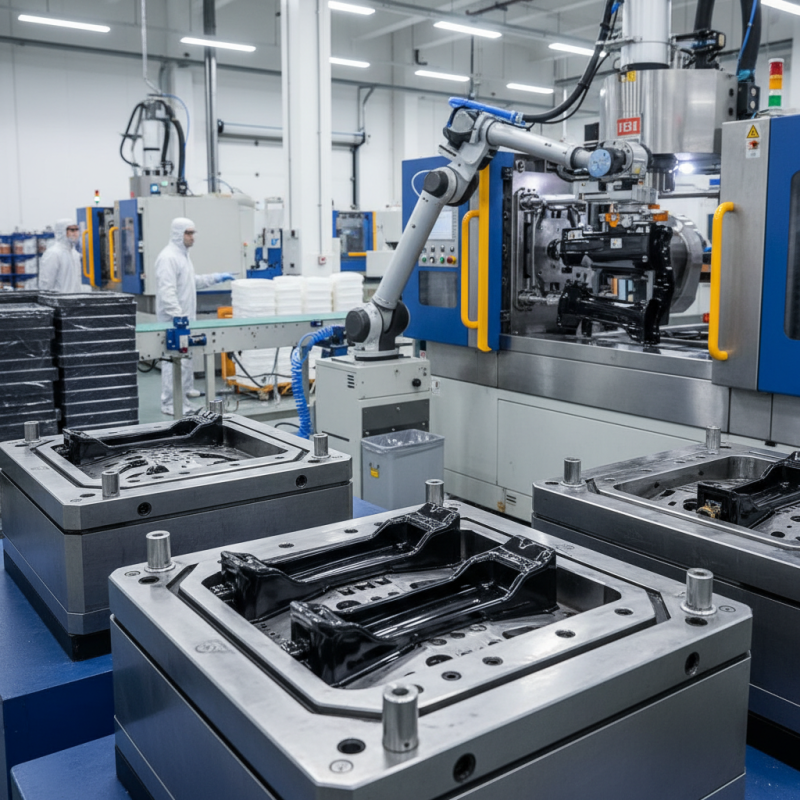
Injection tooling plays a critical role in manufacturing processes. Understanding its importance can help ensure project success. A recent industry report highlighted that improper tooling can lead to a 30% increase in production costs. This underlines the need for careful selection.
Different projects demand varied tooling solutions. Choosing the wrong material or design can result in defects. In fact, nearly 20% of injection molded components face quality issues due to inadequate tooling choices. Designers need to pay attention to the specifics of their projects.
Moreover, the lifecycle of the tooling affects overall project outcomes. Tooling maintenance is essential, yet often overlooked. According to research, neglecting maintenance can reduce tool life by up to 50%. This can have significant financial repercussions. Quality tooling enhances efficiency, yet many companies still struggle with this aspect.
How to Choose the Best Injection Tooling for Your Projects?
| Parameter | Description | Importance |
|---|---|---|
| Material Type | Choose based on the mechanical and thermal properties required for the product. | Critical |
| Mold Design | A well-designed mold can enhance production efficiency and product quality. | Very Important |
| Cycle Time | The duration of a complete injection operation, influencing overall project timeline. | Important |
| Injection Pressure | The force applied to inject material into the mold, affecting final product density. | Critical |
| Cooling Time | Time taken for the injected material to cool and solidify, impacting productivity. | Moderate |
| Maintenance | Regular upkeep of molds to ensure longevity and performance. | Very Important |
Key Factors to Consider When Choosing Injection Tooling
Choosing the right injection tooling for a project is crucial. Various factors influence this decision. Material selection is one key area. For instance, over 70% of manufacturers reported failures due to improper material choices. The right material affects both cost and quality. It's essential to consider the end product’s function. This requires a deep understanding of the project’s requirements.
Another important factor is tooling design. Reports indicate that up to 40% of project delays stem from design flaws. Carefully designing the mold can reduce cycle times significantly. A well-thought-out design helps avoid common pitfalls. Engineers should analyze potential issues and include features that promote efficient production.
Finally, consider the supplier’s experience. Data shows that experienced suppliers often provide better support and fewer issues. New suppliers may have less insight into problem-solving. It is vital to weigh the benefits of cost against the potential for complications. Each choice involves trade-offs that can impact overall project success.
Types of Injection Molding Tools and Their Applications
When selecting injection molding tools, understanding their types and applications is vital. Each tool serves a unique purpose in the manufacturing process. For instance, cold runner systems are cost-effective and used for lower volume production. They are easy to maintain. However, they may lead to material wastage. Warm runners provide better material control but have higher initial costs. This option suits larger production runs where efficiency is key.
Another category is multi-cavity molds. These allow for multiple parts to be produced simultaneously. This approach significantly reduces cycle time. Yet, the complexity of the design means higher upfront costs and maintenance. Some projects may not justify this investment. Additionally, consider the material type. Certain tools work better with specific plastics or composites. Understanding the compatibility is essential for optimal outcomes.
Tips: Always assess your project requirements. Think about the budget, production volume, and material compatibility. Sometimes, simpler tools can yield satisfactory results. Don't overlook the impact of tool design on your end product's quality. Make sure to involve your team in the decision-making process. Collaborative input can unveil valuable insights. A diverse perspective often highlights considerations that may be missed.
Types of Injection Molding Tools and Their Applications
Evaluating Cost, Efficiency, and Material Compatibility
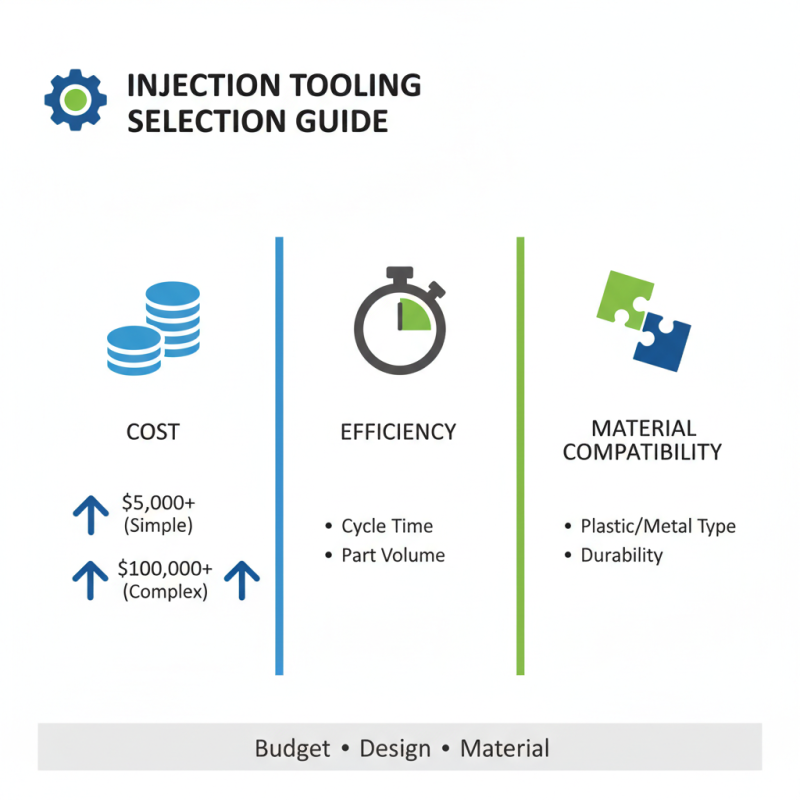
Choosing the right injection tooling for your projects involves careful consideration of cost, efficiency, and material compatibility. According to industry reports, tool costs can range greatly based on complexity. A simple mold can cost around $5,000, while highly intricate designs may exceed $100,000. Thus, understanding your budget constraints is crucial.
Efficiency is another vital factor. Reports indicate that high-quality tooling can improve cycle times by up to 30%. Investing in better tooling often translates to more output and less downtime. However, many projects underperform because of overlooked efficiency metrics. Analyze production flow and identify bottlenecks before finalizing your tooling decision.
Material compatibility should not be neglected. Different materials respond differently to varying tooling conditions. For instance, high-temperature thermoplastics require specialized molds. Failing to match tooling to materials can lead to defects.
Tips: Always ask for material compatibility data. Test with prototypes to confirm choices. Don’t just glance at cost; examine long-term benefits. This proactive approach can elevate project outcomes significantly.
Best Practices for Selecting and Sourcing Injection Tooling Solutions
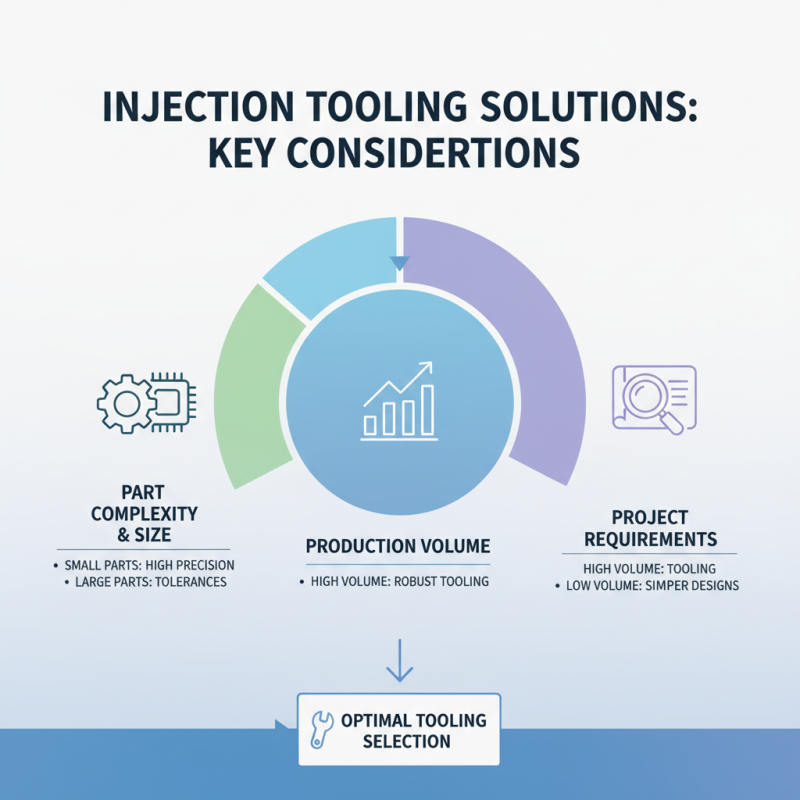
When selecting injection tooling solutions, understanding your project requirements is crucial. Consider the complexity and size of the parts you want to produce. Smaller parts may require high precision, while larger components can afford some tolerances. Evaluate your production volume as well; high quantities often benefit from more robust tooling, while low volumes might allow for simpler designs.
Sourcing your tooling solutions can be challenging. It's vital to find suppliers who meet your standards. Look for those with a solid reputation in the industry. Do they have experience with similar projects? Check their references and past work. Don’t ignore feedback from previous clients. Their insights can guide your decision-making process. However, be wary of over-promising capabilities. Some suppliers may not deliver as expected, so a cautious approach is necessary.
Budget constraints often mean compromise. It’s essential to balance cost and quality. You may find a tool that seems ideal but stretches your budget. Will it still meet your needs? Sometimes, the best option requires careful recalibration. Provide room for adjustments in design or material. Be prepared to iterate on your initial choices. This can lead to more effective solutions.
Related Posts
-
How to Choose the Right Injection Molding Tooling for Your Production Needs
-
7 Unmatched Strategies for Optimizing Your Injection Tooling Process
-
Understanding the Injection Moulding Process Innovations and Applications in Modern Manufacturing
-

Top 10 Essential Factors to Consider for Injection Molding Mold in 2025
-
Essential Tips for Mastering the Plastic Injection Process?
-
Creative Examples of Successful Injection Molding Applications Across Industries