

How to Choose Disposable Needles in 2026?
Choosing the right Disposable Needle in 2026 requires more than comparing prices or package sizes. Clinical staff must consider patient comfort, intended procedure, device compatibility, sterility, and supplier reliability. A needle that looks suitable may still perform poorly with a specific syringe, injector, or medication.
The selection process should begin with the procedure. Gauge, length, bevel design, and dead-space volume can affect accuracy and handling. For routine injections, a clinician may prioritize comfort and controlled flow. For laboratory or specialty applications, connection security and precise delivery may matter more. Always confirm the manufacturer’s instructions and local medical-device requirements.
Packaging deserves close attention. Check the expiry date, intact sterile seal, lot number, and traceability information before use. Reputable suppliers should provide clear technical documents, quality certifications, and responsive support. Independent healthcare professionals should verify whether those claims match current regulatory expectations. Standards and product designs can change.
Real-world purchasing also involves storage conditions, staff training, and disposal procedures. A cheaper box may create hidden costs if needles bend, clog, or fit inconsistently. Small details matter.
No checklist is perfect.
Some choices remain uncertain until the device is evaluated in the intended setting. A limited, documented trial can reveal handling problems before wider adoption. This guide will examine practical criteria for comparing Disposable Needle options in 2026, while keeping safety, evidence, and responsible clinical use at the center.
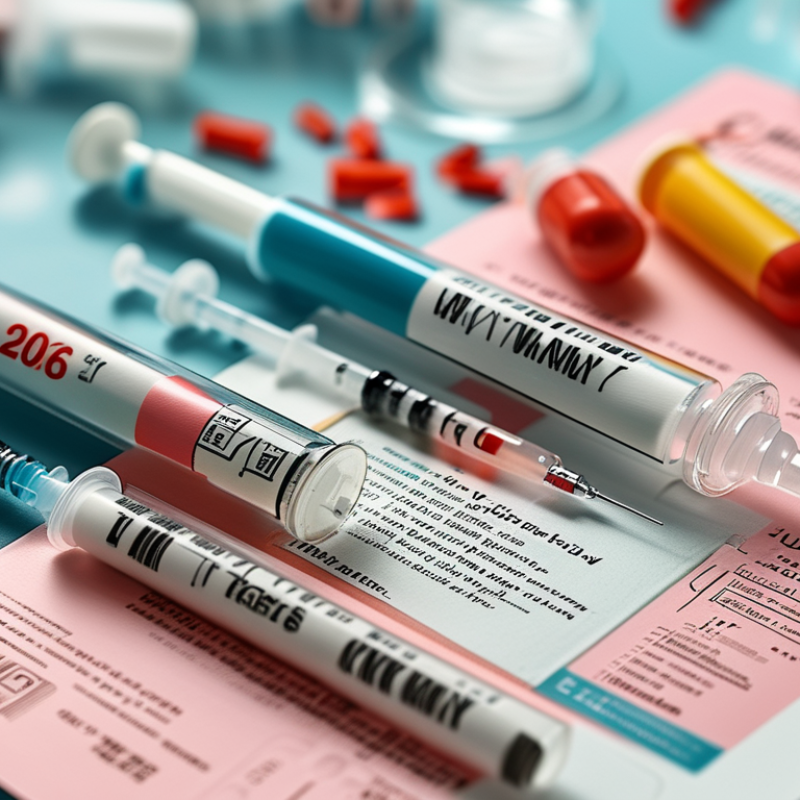
What Disposable Needles Are and How They Work
How to Choose Disposable Needles in 2026? Start with what they are. A disposable needle is a sterile, hollow metal cannula designed for one procedure. Its hub connects the needle to a syringe or compatible device. The angled bevel creates a sharp entry point through tissue. Fluid travels through the inner bore when pressure moves the syringe plunger. For withdrawal, pressure reverses. Simple mechanism.
The World Health Organization estimates that about 16 billion injections occur worldwide each year. This scale makes small design choices important. Needle gauge describes the bore diameter. A higher gauge usually means a narrower bore. Length affects access depth and handling control. The bevel, hub fit, and package seal also matter. ISO 7864 specifies requirements for sterile, single-use hypodermic needles. A careful buyer checks sterility indicators, expiry dates, visible damage, and device compatibility.
One common mistake is treating gauge as quality. It is not. A narrow needle may reduce discomfort, yet it can slow thicker fluid delivery. A wider bore may improve flow but require better handling. In practice, choose according to the intended procedure, fluid properties, tissue depth, and user training. CDC injection-safety guidance states that one needle and one syringe should serve one patient only. Never rely on appearance alone. A sealed package can still be unsuitable if storage conditions were poor. That detail is easy to overlook.
Which Needle Types, Sizes, and Materials Are Available
How to Choose Disposable Needles in 2026?
Disposable needles vary by type, size, and material. Hypodermic needles suit routine injections, while insulin, dental, blunt-fill, and safety-engineered types serve specific procedures.
Gauge numbers run in reverse: a 30G needle is thinner than a 21G needle. Common lengths range from 4 mm to 50 mm. Selection depends on injection route, tissue depth, fluid thickness, and patient comfort.
Stainless steel remains the standard cannula material because it offers strength and corrosion resistance. Many products use polypropylene hubs and silicone lubrication.
ISO 7864 covers sterile single-use hypodermic needles, while ISO 9626 addresses needle-tube performance. Check compliance evidence, not only packaging claims.
The World Health Organization has estimated that about 16 billion injections occur globally each year. Its injection-safety guidance stresses sterile equipment and correct disposal.
The U.S. Centers for Disease Control and Prevention also states that a new sterile needle and syringe must be used for every patient and each entry. These points sound basic. Errors still happen.
In practice, I have seen size selection driven by habit rather than viscosity or route. That shortcut deserves review.
Tips: Match gauge and length to the procedure, not personal preference. Use a finer gauge only when flow remains practical. Inspect the seal, expiry date, hub, and needle bevel before use. Never reuse disposable components. For uncertain cases, consult a qualified clinician and the applicable local standard.
How to Match Needles With Procedures and Compatible Devices
How to Choose Disposable Needles in 2026?
Matching a disposable needle to a procedure requires more than choosing a familiar gauge. Consider the tissue, fluid thickness, injection depth, and required flow rate. Fine needles may reduce discomfort, but they can slow thick medication delivery. Longer needles may reach deeper sites, yet they require careful clinical judgment. The procedure should guide the choice.
Device compatibility deserves equal attention. Check the needle hub, connection type, diameter, length, and locking mechanism against the syringe or medical device. A secure fit should feel stable, without twisting or leakage. Some devices require special safety features or specific needle dimensions. Always follow the device instructions for use and facility protocols.
Packaging details matter too. Inspect the sterile seal, expiration date, and lot information before use. Never use a package that looks damaged or wet. In purchasing practice, teams sometimes focus on price and overlook fit. That mistake can disrupt workflow. It may also create unnecessary waste. I would not assume that one needle suits every syringe, even within the same procedure. Device testing and staff feedback can reveal small problems, such as poor visibility, awkward handling, or difficult disposal. Check again. Selection becomes more reliable when clinical needs, device design, and verified quality are considered together.
What Safety, Sterility, and Regulatory Features to Check
When choosing disposable needles in 2026, safety begins with traceability. The WHO reports that around 16 billion injections occur worldwide each year. That scale makes small packaging failures significant. Check the needle size, intended use, lot number, expiry date, and sterilization method. The package should be sealed, dry, and free from punctures. A bent hub or loose cap is not acceptable. I have seen buyers focus on price first. That habit deserves reconsideration.
Sterility needs evidence, not attractive wording. Look for validated sterilization information and a clear sterile barrier system. ISO 7864 covers sterile, single-use hypodermic needle requirements. ISO 11607 addresses packaging for terminally sterilized medical devices. Ask suppliers for certificates, batch records, and independent testing. The CDC states that needles and syringes must never be reused, even when the needle changes. Regulatory markings should match the destination market, such as FDA clearance or applicable European conformity documentation. Claims without searchable records remain weak evidence.
Tips: Compare the label with the purchase order before opening. Store cartons away from moisture, heat, dust, and direct sunlight. Train staff to inspect every package. Do not use a needle after its expiry date. The uncomfortable detail is simple: a sterile package can still become unsafe after opening. Document rejected batches and investigate repeated defects. WHO injection-safety guidance and current national regulations should guide the final purchasing decision.
How to Compare Quality, Packaging, Cost, and Disposal Requirements
How to Choose Disposable Needles in 2026?
Quality should be checked before price. Confirm the needle’s intended clinical use, gauge, length, material, and sterility status. Inspect each package for tears, moisture, broken seals, or unclear labeling. The lot number and expiry date should remain readable. A secure cap matters because a loose cap can damage the needle tip. In practical purchasing reviews, small packaging defects often reveal wider quality problems. No checklist catches everything.
Packaging also affects storage, transport, and waste. Choose individually sealed units when contamination control and traceability are important. Review whether cartons resist crushing and humidity during delivery. Then compare the real cost, not only the unit price. Include shipping, storage space, inspection time, rejected units, and disposal fees. A low price can look clever. It is not always clever. I still recheck calculations because “cheaper” options may create more handling work.
Tips: Compare samples from different production lots when possible. Ask for current quality documentation and clear sterility information. Check whether staff can open the packaging without touching the needle. Place used needles directly into approved, puncture-resistant sharps containers. Never overfill them. Disposal requirements vary by location and facility type, so confirm procedures with your infection-control lead and authorized waste provider. Keep written records for purchasing and disposal checks.
