

Quality Mold

How to Choose the Right Check Valve for Your Needs?

Choosing the right Check Valve can be a daunting task. With various types and sizes available, the options can overwhelm even experienced engineers. "Check valves are crucial for maintaining system integrity," says John Smith, a renowned expert in fluid dynamics. His insight underscores the importance of making the right choice.

When evaluating check valves, it's essential to consider system requirements. For instance, factors like pressure, flow rate, and fluid type influence the selection process significantly. A mismatched check valve can lead to leaks or system failures, which can be costly.

Understanding these details supports informed decisions. It’s not just about picking a part; it’s about ensuring the longevity of your system. Yet, many designers overlook these critical factors. They often assume all check valves perform the same. This common misconception can lead to significant operational issues. A careful analysis of your specific needs will ensure better outcomes.
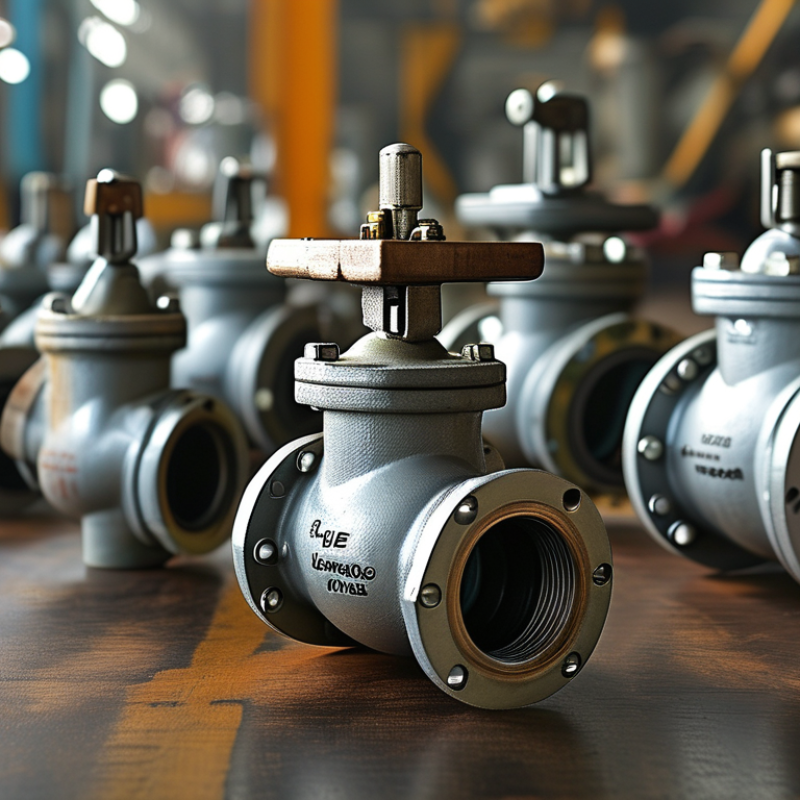
How to Choose the Right Check Valve for Your Needs?

Understanding Check Valves: Types and Applications

When selecting a check valve, understanding its types and applications is crucial. Check valves, essential in fluid systems, allow flow in one direction only. They prevent backflow, ensuring system efficiency. Common types include swing, disc, and ball check valves. Each serves different scenarios.

Swing check valves are ideal for low-pressure applications. Their design allows the disc to swing open and close based on flow direction.

Disc check valves, lighter and more compact, suit high-pressure conditions. Ball check valves offer tight sealing and are excellent for preventing leakage.

Tips: Always consider the fluid type and pressure when choosing a valve. An unsuitable valve may lead to system failure. To ensure longevity, opt for materials that resist corrosion. Regular maintenance checks can prevent unexpected breakdowns. Evaluate your needs, and don’t hesitate to consult with experts in the field for tailored advice.

Key Factors to Consider When Selecting a Check Valve

When selecting a check valve, several key factors come into play. Understanding the fluid's properties is essential. For instance, liquids with high viscosity or corrosive elements require specific materials. According to a report from the Fluid Control Institute, around 30% of valve failures result from inappropriate material selection. This statistic underscores the importance of choosing valves engineered for specific applications.

Another factor is the valve's flow direction. Most applications require a specific orientation to prevent backflow effectively. The pressure and temperature of the application also influence valve choice. Research indicates that approximately 40% of check valve failures can be attributed to inadequate pressure ratings. Therefore, always review the manufacturer’s specifications regarding these parameters.

Installation and maintenance needs are also critical considerations. Some check valves are easier to install and maintain than others. A survey by the American Society of Mechanical Engineers shows that improper installation accounts for about 20% of all valve issues. It requires careful thought and planning to ensure long-term functionality.

How to Choose the Right Check Valve for Your Needs? - Key Factors to Consider When Selecting a Check Valve

Factor Description Recommendation
Flow Rate The amount of fluid that needs to pass through the valve per unit of time. Ensure the valve can handle the maximum expected flow rate.
Pressure Rating The maximum pressure the valve can withstand. Select a valve rated for higher pressures than those expected in use.
Material The type of material used for the valve body, such as brass, plastic, or stainless steel. Choose based on fluid compatibility and temperature conditions.
Size The diameter or dimensions of the valve in relation to piping. Ensure size matches the piping system requirements.
Type of Check Valve Different types include swing check, lift check, and ball check valves. Choose based on specific flow direction and application needs.
Installation Orientation The position in which the valve is to be installed (horizontal or vertical). Check valve specifications for allowable installation orientations.
Maintenance Needs Frequency and ease of maintenance required for the valve. Select valves designed for easy access and minimal maintenance if needed.

How Material Choices Affect Check Valve Performance

Material selection plays a crucial role in the performance of check valves. Each material has distinct advantages and limitations. For instance, metal check valves offer excellent durability and pressure resistance, making them suitable for high-pressure applications. However, they may not perform well in corrosive environments. On the other hand, plastic check valves are lightweight and resistant to chemicals, but they may not withstand high temperatures or pressures.

According to a report by the Valve Manufacturers Association, 70% of valve failures are linked to unsuitable materials. This highlights the importance of choosing the right materials based on application requirements. For example, using stainless steel in a marine environment can improve lifespan due to its corrosion resistance. It’s essential to assess the specific conditions in which the valve will operate.

In some cases, the ideal material may seem unclear. Should you prioritize cost, durability, or resistance? Each application is unique, which creates complexities in decision-making. Engaging with experienced professionals can help navigate this challenge. Gathering data on past performance and case studies may also prove beneficial in making an informed choice. Understanding these factors can lead to more reliable and long-lasting check valve solutions.

Sizing Your Check Valve: Importance and Calculation Methods

Choosing the right check valve involves careful consideration of sizing. Proper sizing ensures effective operation and prevents flow issues. In many systems, factors like pressure, flow rate, and piping dimensions must be accounted for. A valve too large or too small affects efficiency and longevity.

When calculating the size of a check valve, start with flow rate measurements. Consider using the formula Q = A × V, where Q is flow rate, A is cross-sectional area, and V is flow velocity. Adjustments might be needed based on specific operating conditions. It's common for engineers to overlook minor details that can lead to significant problems later.

Tips for a successful sizing process include consulting manufacturer data, considering installation space, and accounting for temperature changes in fluid mechanics. Don’t rush through this crucial step. Revisit your calculations, and seek peer feedback. In some cases, an improperly sized check valve can lead to backflow issues. Reflecting on past choices can guide better decisions.

Installation and Maintenance Tips for Check Valves

When installing check valves, attention to detail is vital. Proper alignment is essential. Misalignment can lead to leaks. Ensure that the valve is fitted with the correct orientation. Follow the manufacturer's guidelines for installation. This ensures optimal performance and longevity. Tighten all connections firmly to prevent any movement.

Regular maintenance keeps check valves functioning correctly. Inspect for signs of wear or sediment buildup. Clean the valve periodically to avoid blockages. In some cases, internal components may need replacement. The frequency of maintenance can vary by use. Monitor valve operation to detect issues early. Listening for unusual noises can be a useful indicator.

While installation seems straightforward, common mistakes can happen. Over-tightening bolts can damage the valve. Ensure that the valve's body is not under excessive stress. Consider the system's operating conditions, such as temperature and pressure. Each application is unique and requires thoughtful consideration. Balancing these factors leads to successful operation.

Article Source: