

Quality Mold

How to Choose Takeaway Food Containers in 2026?

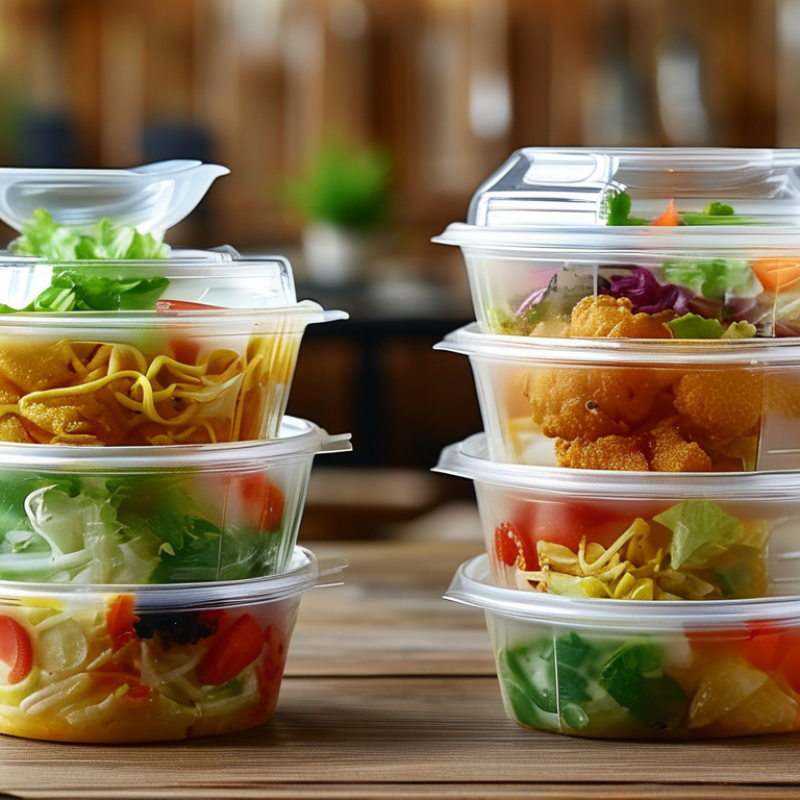
In 2026, choosing Takeaway Food Containers involves more than selecting the lowest price. Restaurants must balance food safety, heat resistance, presentation, storage, and environmental impact. A container may carry noodles, curry, salads, or delicate pastries without leaking or collapsing. Real service conditions expose weak designs quickly. Steam softens some lids. Grease finds small gaps. Customers notice.

A reliable choice begins with the menu and delivery journey. Hot soups need secure seals, strong walls, and lids that tolerate heat without warping. Fried foods need ventilation, or trapped steam can destroy their texture. Fresh salads need clear visibility and enough space to prevent crushing. Portion size also affects material use, stacking efficiency, and delivery costs. These details sound simple, yet rushed purchasing decisions often overlook them.

Responsible buyers should request food-contact documentation, material specifications, and performance samples from suppliers. Testing containers with actual meals is more useful than trusting attractive product photographs. Check leakage after tilting, lid security during transport, and resistance after several minutes of heat exposure. Compostable or recycled claims also require careful verification, because local facilities may not process every material. Sustainability is not always obvious. That is an uncomfortable reality.

Supplier reliability matters as much as container design. Confirm minimum order quantities, replacement policies, production consistency, and delivery schedules. A cheaper container becomes expensive when it causes refunds, spills, or negative reviews. There is no perfect option. The best Takeaway Food Containers support the food, protect the customer experience, and fit the restaurant’s operating reality. Some compromises remain unavoidable, so every decision deserves practical testing and honest review.
How to Choose Takeaway Food Containers in 2026?

Define Your Takeaway Food Container Requirements

Before choosing takeaway food containers, define the meal, delivery distance, and eating time. A soup container needs stronger sealing than a dry sandwich box. Hot foods may require steam vents, while fried foods need airflow to protect texture. Measure portions carefully. Oversized containers waste material and allow food to move during transport.

The UNEP Food Waste Index Report 2024 estimates that 1.05 billion tonnes of food were wasted in 2022. A stable container cannot solve food waste, but accurate sizing can reduce spills and untouched leftovers. The OECD Global Plastics Outlook reports that global plastic waste reached 353 million tonnes in 2019, with only 9% recycled. Therefore, material choice needs more than a “recyclable” claim. Check local collection systems, food-contact safety, heat resistance, stackability, and supplier documentation. I would also test containers with real meals, not empty samples. That small step often reveals leaks.

Tips: Create a requirement sheet before comparing prices. Record food temperature, sauce volume, stacking height, and delivery time. Test one container in a crowded bag and a moving vehicle. It may fail. That is useful evidence. Ask whether the lid stays attached, the base remains firm, and the surface stays comfortable to hold. Requirements should reflect actual staff routines, customer expectations, and disposal conditions.

Compare Container Materials for Safety and Sustainability

How to Choose Takeaway Food Containers in 2026?

Material choice affects food safety, carbon impact, and the customer’s eating experience. In kitchen trials, a container can look sustainable yet soften under hot curry. Heat changes everything. Paperboard containers need grease-resistant coatings and reliable seals. Without them, oil can leak through seams and weaken the base.

Molded fiber offers a natural appearance and often uses renewable materials. However, its performance depends on additives, moisture resistance, and manufacturing quality. Some fiber containers may require coatings that complicate recycling. Plastic remains useful for soups, sauces, and chilled meals because it is light, tough, and leak-resistant. It should meet food-contact safety requirements and tolerate the intended temperature. Reusable plastic can reduce waste, but only when customers actually return and wash it properly.

Aluminum handles heat well and protects food from light, but it may be unsuitable for highly acidic dishes. Recycling systems also vary between regions. Ask suppliers for material specifications, food-contact test reports, temperature limits, and disposal guidance. Check the container with real meals, not empty samples. Details matter. I would also measure leakage after transport, because a container that fails in a delivery bag creates food waste and customer complaints. Sustainability is not only about the material itself. It includes production, transport, use, and what happens after disposal. Some choices still involve trade-offs. That uncertainty deserves honest evaluation.

Choose the Right Size, Shape, and Closure Design

How to Choose Takeaway Food Containers in 2026?

Choose the Right Size, Shape, and Closure Design

When choosing takeaway food containers in 2026, match the size to the actual meal. Do not rely on an optimistic serving estimate. A 500 ml container suits snacks, salads, and smaller rice portions. Main meals often need 750 ml or more. In kitchen trials, oversized containers made food look sparse and increased movement during delivery. I once selected a box that was too deep. The sauce spread everywhere.

Shape also affects food quality and packing efficiency. Rectangular containers stack neatly and use shelf space well. Round containers work better for soups, noodles, and foods that need stirring. Wide, shallow designs help fried foods release steam. However, they may cool meals faster. This trade-off is easy to overlook. Leave enough headspace for sauces and toppings.

Tips: Test filled containers before ordering large quantities. Shake each one gently. Turn it upside down briefly. Check whether the lid bends, leaks, or opens under pressure. A secure closure should click or lock evenly around the rim. For soups, choose a leak-resistant lid with a firm seal. For hot meals, avoid closures that trap excessive steam. Condensation can soften crispy food. It is not always the container’s fault, but the design still matters. Keep testing with real portions, not empty samples.

How to Choose Takeaway Food Containers in 2026? — Choose the Right Size, Shape, and Closure Design
Food Application Recommended Capacity Typical Internal Size Best Shape Recommended Closure Key Design Features Practical Selection Notes
Sauces, dips, and dressings 60–120 ml Approximately 55–75 mm diameter × 25–40 mm height Round cup Snap-on lid with a continuous rim seal Leak-resistant Easy to stack Choose a clear lid when customers need to identify the contents quickly. A tighter seal is preferable for thin sauces and dressings.
Side dishes and small salads 250–500 ml Approximately 120–150 mm long × 90–120 mm wide × 35–55 mm high Rectangular or square Four-corner snap lid Space-efficient Stable base Rectangular containers use delivery-bag space efficiently and reduce movement when several items are packed together.
Main-course salads 750–1,000 ml Approximately 180–210 mm diameter × 45–70 mm height Wide round bowl Press-fit or hinged lid with a raised rim Wide opening Ingredient visibility A wide opening makes layered salads easier to assemble and eat. Keep dressing separate if crisp ingredients must remain dry.
Rice, noodles, and pasta 750–1,000 ml Approximately 160–190 mm long × 120–150 mm wide × 45–70 mm high Rectangular or oval bowl Locking lid with four or more closure points Secure transport Steam management Use a lid with moderate headspace to reduce compression. For very hot foods, controlled venting can limit condensation and pressure buildup.
Soups, stews, and curries 500–750 ml Approximately 105–130 mm diameter × 65–95 mm height Round, deep bowl Threaded lid or high-security snap lid Spill control Heat resistance Prioritize a leak-resistant lid, a broad stable base, and sufficient headspace. A vent should be designed to release steam without allowing liquid to escape.
Burgers and sandwiches 750–1,200 ml Approximately 140–180 mm long × 120–160 mm wide × 70–100 mm high Rectangular clamshell Attached hinge with front locking tab Fast packing Crush protection Match the internal height to the food profile. A small amount of ventilation helps reduce sogginess from steam while retaining enough structure for delivery.
Fried foods 500–1,000 ml Approximately 150–220 mm long × 100–150 mm wide × 45–75 mm high Vented rectangular tray Hinged lid with ventilation openings Moisture release Crispness support Use vents that release steam without creating large openings for oil leakage. Avoid fully airtight lids for freshly fried foods.
Desserts and bakery items 250–750 ml Approximately 100–180 mm long × 80–140 mm wide × 45–90 mm high Shallow rectangular or square box Clear hinged lid or tab-lock lid Product visibility Shape retention Allow clearance above toppings and decorations. A rigid lid helps prevent icing, pastries, and delicate surfaces from being crushed.
Family meals and combo portions 1,500–2,500 ml Approximately 220–300 mm long × 160–220 mm wide × 55–90 mm high Large rectangular tray Four-side locking lid High capacity Stackable Choose reinforced corners and a rigid base. Check that the filled container remains comfortable to lift and fits standard delivery bags.
Meals with separate components 750–1,200 ml total Approximately 180–240 mm long × 130–180 mm wide × 45–75 mm high Divided rectangular tray Full-perimeter snap lid Compartmentalized Flavor separation Use dividers for sauces, vegetables, rice, or proteins that should not mix. Ensure the lid does not press into taller food items.

Selection rule: Choose the smallest container that fits the portion without compressing it, leave enough headspace for hot or liquid foods, and verify the filled package for leakage, stacking stability, and delivery-bag compatibility.

Check Heat Resistance, Leak Protection, and Food Compatibility

When choosing takeaway containers in 2026, heat resistance should match the food, not merely the kitchen temperature. A container rated for hot foods may still soften under oily curry or repeated reheating. Check its stated temperature range, lid tolerance, and microwave guidance before service. In practical trials, fill a sample with soup, close it, and hold it for twenty minutes. Then inspect warping, odor, and lid tension. Small failures become expensive complaints.

Leak protection depends on the whole design. A tight lid cannot rescue a weak rim or a poorly seated vent. Test containers upright, tilted, and inside a delivery bag with gentle movement. For broth, leave safe headspace and press around the seal evenly. I have seen clear lids fog, hide spilled sauce, and create false confidence. That detail is easy to miss.

Food compatibility requires more than checking whether the material looks clean. Acidic sauces, salty foods, fats, and strong spices can interact with unsuitable plastics or coatings. Use containers designed for specific food-contact and storage conditions. For fried foods, ventilation may protect texture, while sealed packing traps steam and causes sogginess. For chilled desserts, moisture resistance matters more than heat performance. Ask suppliers for food-contact documentation, migration information, and testing records. I would not rely on a single sample. Menus change, and packaging mistakes often appear during busy service.

Evaluate Costs, Storage, Branding, and Disposal Options

How to Choose Takeaway Food Containers in 2026?

Container selection should begin with cost per delivered meal, not unit price. Include lids, labels, storage space, leakage claims, and disposal fees. A cheap container becomes expensive when stacked badly or replaced after spills. Measure one week of real orders. Note soup volume, condensation, and delivery time. Branding also needs restraint. A small printed mark can improve recognition without covering recycling instructions. The design should survive steam, oil, and cold storage.

Storage affects daily speed. Square containers usually use shelf space better than round ones, but they may crack under pressure. Test a full carton beside your preparation table. The U.S. Environmental Protection Agency reported that containers and packaging generated 82.2 million tons of municipal solid waste in 2018. That figure shows why disposal planning cannot remain an afterthought. UNEP’s 2023 report also identified packaging as responsible for about 40% of global plastic use. Material choices deserve careful review, not fashionable assumptions.

Tips: Ask your waste contractor what local facilities actually accept. “Compostable” does not guarantee composting access. Compare paper, recycled plastic, and reusable systems using delivery distance and washing needs. Request supplier test reports for heat resistance and food contact safety. I would test three weeks before changing the whole range. My first choice may still fail during a rainy lunch rush. Track leakage, stacking loss, and customer feedback. Disposal instructions should be printed clearly, but keep them brief. EPA data, UNEP analysis, and your own operating records create a more reliable decision than marketing claims.

How to Choose Takeaway Food Containers in 2026?

Comparison of common takeaway container materials across purchasing cost, storage efficiency, branding potential, and end-of-life practicality. Scores use a 0–10 planning scale, where 10 indicates the strongest overall performance for that criterion.

Reading the chart: Paperboard and molded fiber are generally strong for flat storage and printed branding. Plastic options can offer good cost efficiency and moisture resistance, but disposal outcomes depend heavily on local collection systems. Aluminum usually has higher purchasing costs but can perform well where metal recycling is available.

The scores are non-brand, practical procurement estimates based on common food-service packaging characteristics and should be validated against local supplier quotations, storage conditions, printing requirements, and municipal recycling rules.