

Quality Mold

How to Choose the Best Adjustable Metal Walker for Your Needs?

Choosing the right mobility aid can be a daunting task. An Adjustable Metal Walker offers support and versatility. These walkers are designed to enhance mobility for individuals with varying needs. They can provide stability when navigating through spaces.

Not all walkers are created equal. Some may be too heavy or difficult to adjust. It's essential to consider how the walker fits your lifestyle. Think about where you will use it. Will you need it indoors or outdoors? This can significantly impact your choice.

Many users might overlook the importance of weight and height adjustments. A walker that doesn't suit your height can lead to discomfort. Additionally, consider the walker’s frame. How sturdy is it? Does it provide adequate support? An Adjustable Metal Walker should cater to your specific requirements while allowing freedom of movement. Reflecting on these details can lead to a more informed choice.
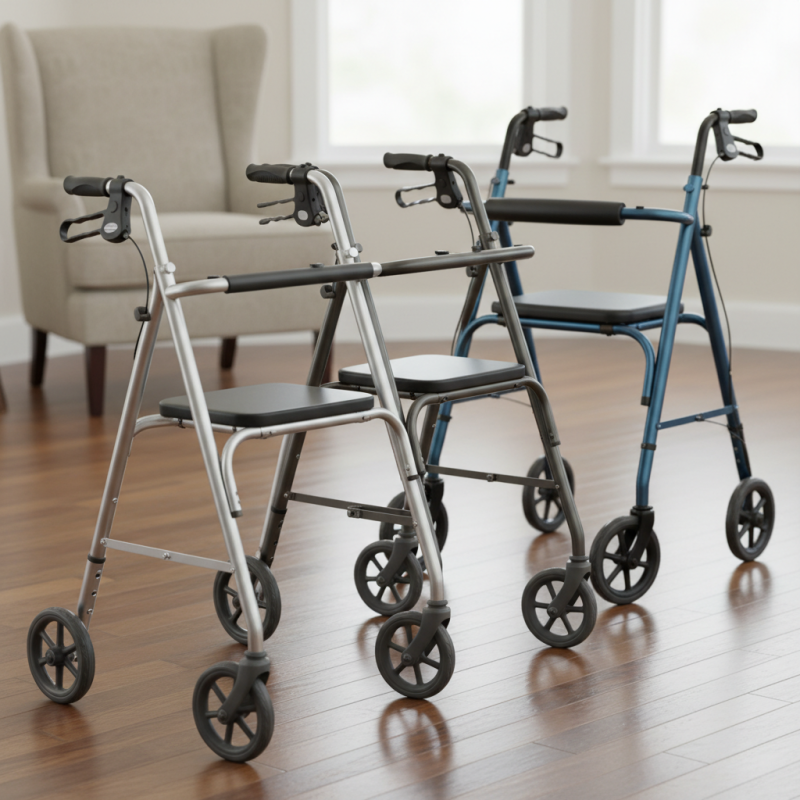
How to Choose the Best Adjustable Metal Walker for Your Needs?

Understanding the Types of Adjustable Metal Walkers Available

When considering adjustable metal walkers, understanding the different types is crucial. These walkers can be classified mainly into standard, folding, and wheeled models. Standard models offer stability and support. They are ideal for users needing more support while walking. Folding walkers are great for travel. They can be easily stored in tight spaces. This makes them a popular choice for those with limited storage.

Wheeled walkers, or rollators, add mobility to the mix. They come with wheels and sometimes a seat. This design enables users to move quicker and rest when needed. Each type has its benefits, but it’s essential to reflect on your lifestyle. What will work best for your environment? Consider your need for portability versus the need for stability. The right choice varies by individual.

Adjustability is another important factor. Some models allow for height changes, adapting to your specific needs. This feature ensures comfort during use. Consider testing different styles before making a decision. Each walker has its unique feel. Finding the right fit can improve your confidence and independence.

Key Features to Consider When Selecting a Walker

When selecting an adjustable metal walker, consider key features that enhance usability and safety. One vital aspect is the height adjustability. Ensure the walker can be easily set to match the user's height for optimal comfort. Test it before purchase. A walker too high or low can lead to strain and discomfort.

Next, examine the weight capacity and materials. A sturdy yet lightweight construction is essential. Metal walkers should support various weights without compromising stability. Pay attention to the grip. Handles should provide good traction to prevent slipping. A comfortable grip enhances control and reduces the risk of accidents.

Finally, think about portability. Some walkers fold for easy transport or storage. This feature is crucial for users who travel or require assistance on the go. However, folding mechanisms can sometimes create weaknesses. Be mindful of this when testing. Not all features will suit everyone. Therefore, reflect on personal needs and lifestyle before making a choice.

How to Choose the Best Adjustable Metal Walker for Your Needs? - Key Features to Consider When Selecting a Walker

Feature Description Considerations
Weight Capacity Maximum weight the walker can support Choose a walker that exceeds user weight for safety
Adjustability Height can be adjusted to fit user Ensure it can easily adjust for different users
Material Type of metal used in construction Aluminum is lightweight; steel provides sturdiness
Wheels Type and size of wheels for mobility Larger wheels are better for uneven surfaces
Foldability Can the walker be easily folded for storage? Consider a walker that folds compactly
Grip Quality and comfort of handles Look for padded grips to reduce hand strain
Stability Base design for maintaining balance Check if it has features like anti-tip design

Assessing Your Personal Needs and Mobility Challenges

When selecting an adjustable metal walker, understanding your personal needs is crucial. Mobility challenges can vary widely among individuals. For instance, a report from the National Institute of Health indicates that over 20% of adults aged 65 and older face mobility limitations. Identifying specific issues—like balance problems or joint pain—can significantly influence walker choice.

Consider your daily activities and environments. Are you navigating narrow hallways or uneven surfaces? According to data from the Centers for Disease Control and Prevention, adjusting walker height properly can improve stability by 30%. This emphasizes the importance of testing different models before making a decision.

Also, reflect on comfort and usability. Some may prefer walkers with larger wheels for better maneuverability. Others might prioritize lightweight designs for easier transport. Not every walker will meet all needs perfectly. It’s essential to evaluate options and seek feedback from health professionals. Finding a walker that truly fits your lifestyle may take time and trial, but the right choice can greatly enhance independence and safety.

Evaluating Weight, Portability, and Storage Options

When selecting an adjustable metal walker, evaluating weight is crucial. A heavier walker may offer stability but can be challenging to carry. According to a 2022 report from the Rehabilitation Engineering Society, lightweight models (under 5 lbs) enable easier transport for users. Ensure you can lift and maneuver it comfortably. The ideal weight balances support and transportability to match your lifestyle.

Portability often ties directly to the walker’s design. Many models feature foldable frames. This makes them easy to store, whether in a car trunk or a small apartment. A study by the American Physical Therapy Association indicated that users prefer walkers that can be quickly collapsed for travel. Check mechanisms carefully. A function that is overly complex can lead to frustration.

**Tips**: Look for walkers with an ergonomic design that fits your body. This can reduce strain when in use. Evaluate the walker’s dimensions when folded. Aim for a compact size that suits your storage needs. If living in tight spaces, ensure it can slide easily into corners or closets. Always test the walker in real conditions. Exploring its portability firsthand can reveal potential shortcomings you might overlook in a store.

Tips for Proper Use and Maintenance of Your Walker

Using an adjustable metal walker can significantly enhance mobility and independence. To ensure safety and longevity, proper use and maintenance are crucial. Regularly check the walker for any loose screws or damage. Tightening screws can prevent accidents and ensure stability while using the walker. It's vital to inspect the rubber tips. Worn rubber can lead to slips. Replacing them at the first sign of wear is a simple but effective way to maintain safety.

Another essential aspect of maintenance is cleaning. Use mild soap and water to clean the frame. Avoid harsh chemicals that could erode the finish. Keep the wheels free from debris, as dirt can hinder movement. When not in use, store the walker in a dry, safe place. Make sure it’s not in a high-traffic area to prevent accidents.

Using the walker correctly promotes safety. Always ensure it is adjusted to the right height. A walker too high or low affects posture. Walkers should be an extension of your body, not a crutch. While the walker is a great aid, relying solely on it can be counterproductive. Regular physical therapy or exercises can enhance strength and balance. Reflecting on your needs will lead to better mobility and confidence in daily activities.