

7 Tips for Choosing the Best Bathroom Towel Holder
A bathroom may look complete, yet a towel with nowhere convenient to dry can make the room feel unfinished. The right Bathroom Towel Holder is more than a decorative detail. It should suit the available wall space, hold towels securely, and sit close enough to the sink or shower for everyday use. Houzz’s 2024 U.S. Bathroom Trends Study reported a median spend of $15,000 for major primary-bathroom remodels. That figure covers the wider project, not towel hardware alone, but it puts small fixture decisions in context: replacing an awkward holder later can mean extra work and expense.
Start with the room, not the finish. Measure the wall, check door swings, and consider whether a bar, ring, or freestanding rack fits your routine. A plush bath sheet needs more drying space than a hand towel. So does a busy household. If you plan to mount a holder, confirm the wall material and use appropriate fixings; a beautiful bar is not useful if it loosens under a damp towel. Small details matter.
The best choice is not always the most expensive one. Even careful planning cannot predict every daily habit, and that is worth admitting. These seven tips will help you compare materials, mounting options, capacity, placement, and style before you buy. A few measurements now can prevent a frustrating reach—or a towel that stays damp.
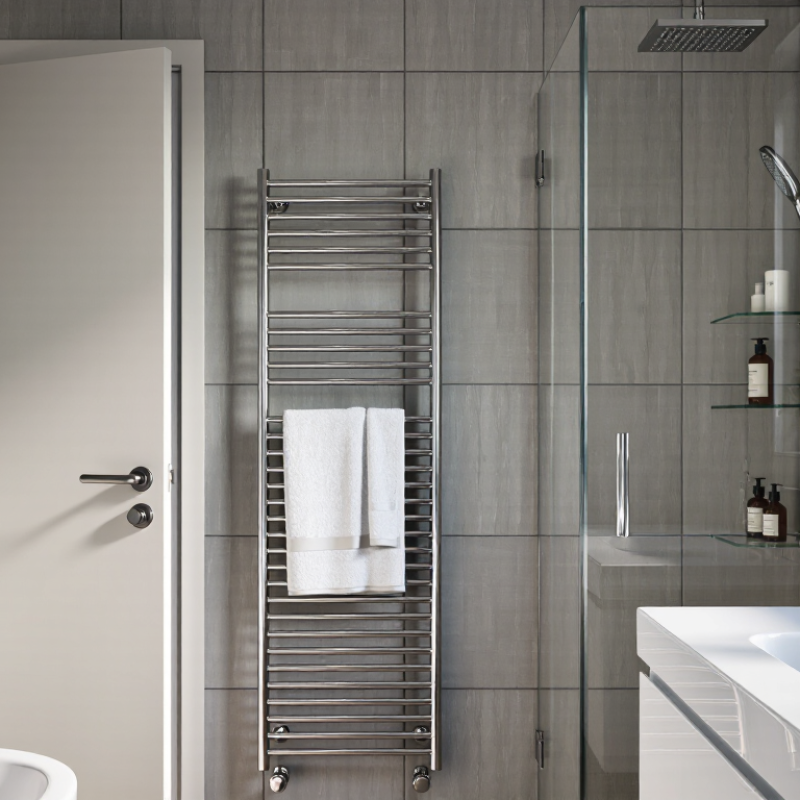
Identify Your Bathroom’s Towel Storage Needs
Before choosing a towel holder, note how many people use the bathroom and what they reach for each day. Count bath towels, hand towels, and washcloths separately. A household of four may need several bath towels ready at once, while a guest bathroom may need only one or two. Watch where used towels collect. If they land on a door or countertop, the room may need more accessible hanging space.
Think about how towels dry, not just how many fit. A bar lets a towel spread out, but it needs clear wall space. Hooks take less room and work well for robes or towels used between showers. They can leave thick, folded towels damp in the middle. Small detail. Measure the wall and check that the holder won’t collide with a door, cabinet, or shower screen. Leave enough space for air to move around hanging fabric.
Your routine may change the answer. Children often need lower hooks; guests may benefit from a clearly placed hand-towel ring. In a narrow bathroom, one well-positioned bar can be more useful than several crowded hooks. It is easy to overestimate how much storage looks tidy on a sketch. Mark proposed positions with removable tape, then try reaching them during a normal routine. Also consider the wall surface and suitable mounting hardware before installation. A holder that fits your towels but loosens under daily use is not a good fit.
7 Tips for Choosing the Best Bathroom Towel Holder: Identify Your Bathroom’s Towel Storage Needs
How to use this chart: Match the holder’s number of bars or hooks to the towels you need to hang at once. A single bar or hook provides one hanging position; double bars provide two. Allow enough space between towels for airflow, and check that the holder fits your available wall or door space.
Compare Towel Holder Styles and Their Capacity
A bathroom towel holder should match both the room and the way towels are used. A single ring suits a hand towel near the sink, but it cannot hold a bath sheet comfortably. A straight bar gives a larger towel room to spread and dry. Measure the wall before choosing. A door or drawer may block the bar when opened. Small details matter.
Tip 1: Compare capacity with your household’s routine. One bar may be enough for one person, while a family may need several hooks or a two-tier rack. Hooks save wall space and hold damp towels, but towels piled together can dry slowly.
Tip 2: Check the usable width, not just the holder’s overall length. Thick towels need extra room. Measure first.
Freestanding racks can be moved and often hold multiple towels, though they take up floor space. Wall-mounted bars keep the floor clear, but their mounting surface and installation need careful checking. Adhesive holders may suit smooth tile and lighter towels; textured walls can make adhesion less dependable. I used to focus too much on appearance. Capacity and drying space are easier to appreciate after the bathroom gets busy.
Choose Durable Materials and a Finish That Fits
A towel holder sits in a damp room, so its material matters more than its showroom shine. Stainless steel resists rust well, but check that the grade is suitable for humid spaces. Solid brass is another durable option, though it may cost more. Aluminum is lightweight and often resists corrosion, but thinner pieces can bend under a heavy, wet towel. Small detail, big difference.
Look closely at joints, mounting plates, and screw covers. These spots can trap moisture or loosen with daily use. A sturdy holder should feel stable when gently pulled, not wobble against the wall. If you are choosing a finish, match it to nearby taps or cabinet hardware for a calm, coordinated look. Chrome is easy to wipe clean, while brushed finishes tend to show fewer fingerprints. Matte black can look striking, but hard-water marks may stand out.
Finish quality matters, too. A smooth, even coating is less likely to chip during ordinary use, though no finish is indestructible. I would check the edges and underside, where rushed coating can be easier to spot. Rust tells on it. Think about cleaning habits as well: textured surfaces may collect soap residue, while polished metal often needs frequent wiping. One small regret is choosing appearance alone; a beautiful holder that loosens or stains quickly becomes frustrating.
Measure Your Space and Plan the Mounting Location
Measure the wall before choosing a holder. Note the vanity edge, shower door swing, toilet clearance, and nearby switches. Use painter’s tape to mark the holder’s length and test whether a hanging towel brushes the counter or floor. Small detail, big difference. Measure from the finished floor, not the subfloor, and check for studs or plumbing before drilling.
For a useful accessibility reference, the U.S. Access Board’s 2010 ADA Standards set unobstructed forward reach between 15 and 48 inches. This range applies to operable parts, not to towel holders, so treat it as a planning reference rather than a required mounting height. A holder beside a sink may work lower than one beside a shower. Check the reach from a seated position if that matters in your household.
Tip: Tape up a paper template, then walk through the room with a full towel. Open every door. If the towel catches or blocks a drawer, shift the location before mounting. A plan can still miss an awkward elbow turn; try the marked spot for a day before making holes.
Check Installation, Stability, and Ease of Care
A towel holder should fit the wall and the people using it. Before buying, measure the space beside the sink or shower, including the door’s swing. Leave enough room for a towel to hang without brushing a damp wall. Check the mounting instructions, too. Some holders need screws and wall anchors; others use adhesive suited only to smooth, dry surfaces. Tile can be tricky. Avoid drilling near plumbing, and check what is behind the wall if you are unsure.
Stability matters when a wet towel pulls downward. A holder that feels firm in your hand may still loosen after repeated use. Follow the stated weight limit, use the recommended hardware, and tighten fittings as directed. For screw-mounted models, a stud or suitable anchor can make a real difference. Give the holder a gentle tug after installation. Not a hard yank. If it shifts, fix it before hanging a heavy bath towel. I may be overcautious here, but a loose bar gets annoying fast.
Ease of care is easy to overlook. Look for smooth surfaces and joints that do not trap lint or soap residue. A quick wipe with a soft cloth should handle routine cleaning; harsh pads can scratch some finishes. Check whether water collects at the base, especially in a humid bathroom. Simple shapes are often easier to keep clean. Still, a design with extra corners may suit your space better. That trade-off is worth noticing.
| 7 Tips for Choosing the Best Bathroom Towel Holder — Check Installation, Stability, and Ease of Care | |||
|---|---|---|---|
| No. | What to Check | Practical Guidance | Care and Use |
| 1 | Choose the right style | A towel bar gives a bath towel room to spread out; a ring or hook takes up less wall space and suits hand towels or robes. Match the holder to the towels you use most. | Allow towels to hang without bunching so they can air-dry more easily. |
| 2 | Check the mounting surface | Confirm whether the holder will attach to a wall stud, solid masonry, or hollow drywall. Use fasteners suitable for the surface; drywall anchors are not interchangeable with masonry plugs. | Follow the supplied instructions and avoid drilling near hidden plumbing or electrical wiring. |
| 3 | Review the installation details | Look for a clear template, included mounting hardware, and accessible set screws or brackets. Check that the chosen location leaves enough clearance for the towel and nearby doors or fixtures. | Use a level during installation and tighten hardware as directed, without overtightening. |
| 4 | Assess stability | Prefer a rigid mounting plate and secure, properly fitted fasteners. After installation, the holder should not rotate, pull away from the wall, or wobble under normal towel use. | Recheck the fixings periodically, especially if the holder is used to hang heavy or damp towels. |
| 5 | Consider material and finish | Bathrooms are humid, so look for corrosion-resistant materials or a finish intended for bathroom use. Product descriptions should clearly identify the material and care requirements. | Dry standing water and rinse away soap residue to help keep the finish looking its best. |
| 6 | Measure before buying | Measure the available wall space and compare it with the holder’s overall dimensions. Check the usable bar length as well as the distance between mounting points. | Leave enough space around the holder to remove towels easily and clean behind it. |
| 7 | Check ease of care | Simple shapes and smooth surfaces are generally easier to wipe down than designs with many narrow crevices. Check whether the finish requires specific cleaning products. | Use a soft cloth and mild soap unless the manufacturer recommends another method; abrasive cleaners can damage some finishes. |
