

Quality Mold

How to Choose the Best Solvent Adhesive in 2026

Choosing a Solvent Adhesive in 2026 is not about finding one product for every job. It is about matching the adhesive to the materials, production process, and conditions the bond will face. A. J. Kinloch’s foundational work, Adhesion and Adhesives: Science and Technology, offers a useful starting point: bond performance depends on more than the adhesive alone. I can’t verify a direct quotation from him on choosing solvent adhesives, so I won’t present invented wording as his.

Start with the substrate. Is it flexible film, rubber, foam, or a rigid surface? Then consider open time, application method, drying conditions, and the stresses the finished bond must withstand. A sample panel can reveal problems that a specification sheet cannot: edge lift, softening, or a bond that fails after repeated flexing. Small tests matter.

There are trade-offs. A fast tack may help a production line, yet leave less time for repositioning. A strong initial bond may not predict long-term performance. Check technical data and safety information, and confirm the adhesive suits the actual materials and workplace process. Details vary by formulation. This guide will help compare those factors, ask better supplier questions, and narrow the options without treating one feature as the whole answer. Even careful selection has limits; real-world testing remains essential.
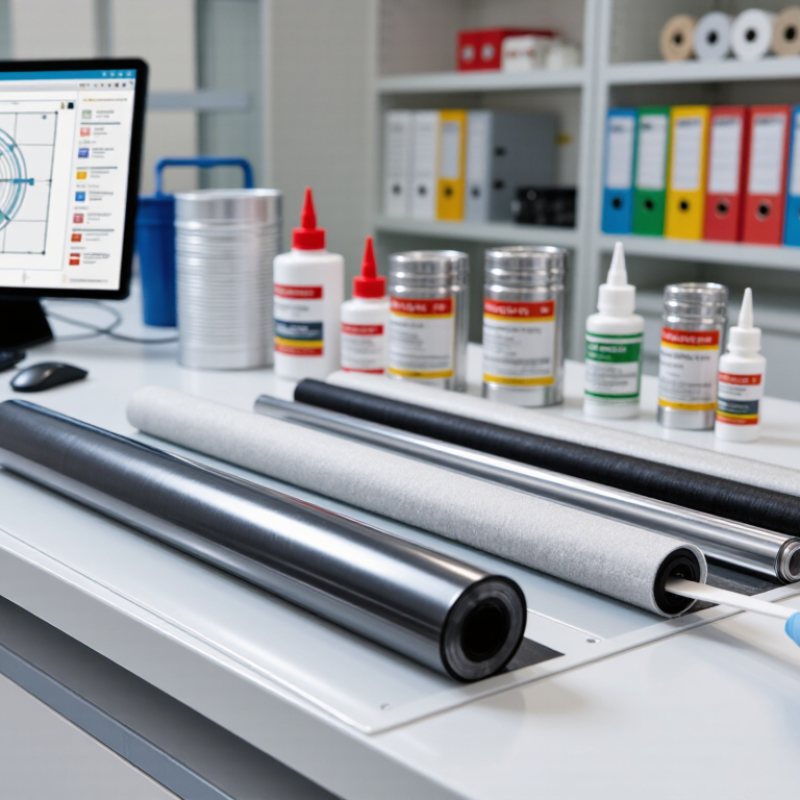
How to Choose the Best Solvent Adhesive in 2026

Map Substrates, Loads, and Service Temperatures Before Selection

Choosing a solvent adhesive in 2026 starts with the actual materials, not a generic label such as “plastic.” Record each substrate, including coatings, surface treatments, and any flexible additives. Two parts that look alike may respond differently to a solvent. That detail matters.

Next, define the load and joint shape. A lap joint under steady shear behaves differently from a narrow edge exposed to peeling forces. Note vibration, handling, and whether the bond must carry weight continuously. Solvent adhesives may soften some substrates or leave porous materials unevenly bonded. Check technical data, then test on offcuts when possible. A clean-looking surface is not proof of compatibility.

Map the service temperature, not just the room temperature during assembly. Include cold starts, warm equipment, and repeated temperature changes. Brief peaks can matter. Test the assembled parts under realistic conditions, allowing the adhesive its stated drying or curing time. Record failures, too; a weak result can reveal that the surface preparation or joint design needs work. I would not treat one successful sample as a guarantee. Real use is rarely that tidy.

Screen Solvent Compatibility and Flash-Off Time for Each Material

Choosing the best solvent adhesive starts with the material, not the label. Build a small compatibility grid for every surface in the joint. Include the exact plastic, coating, wood, or metal grade when known. Solvents can soften plastic, dull a finish, or leave a pale ring. Check hidden coupons first. Look for swelling, tackiness, color transfer, and fine cracks after the adhesive is removed or cured. A clean-looking surface is not always an unaffected one.

Flash-off time needs the same material-by-material check. Apply a thin, consistent coat to sample pieces, then record the room temperature, airflow, and wait time. Touch only where the product instructions allow. The surface may feel ready before enough solvent has escaped, especially on a nonporous sheet. Porous wood can absorb adhesive unevenly and seem dry too soon. Small differences matter. Avoid treating one timing result as universal.

Test the actual assembly, not just a flat coupon. Join pieces after several wait intervals, then inspect bond strength and appearance after full curing. Follow the adhesive’s technical sheet and safety directions; ventilation and recommended handling matter. One easy mistake is testing only on a warm, dry day. Repeat in realistic shop conditions. Even careful screening can miss a coating variation, so keep a little uncertainty in the record.

Compare VOC Content in g/L with 2026 Regional Product-Class Limits

How to Choose the Best Solvent Adhesive in 2026
Compare VOC Content in g/L with 2026 Regional Product-Class Limits

Start with the adhesive’s VOC figure in grams per liter, then identify the product class and intended use. A flooring adhesive and a general-purpose contact adhesive may face different limits. Regional rules can also differ, so check the current 2026 requirements for the place where the product will be used. Do not assume one limit applies everywhere. Confirm whether the stated figure describes the adhesive as sold or after preparation; test methods and calculation details matter.

Tips: Keep the technical data sheet beside the regional limit table. Check the exact class, units, and measurement basis. If the document is unclear, ask the supplier for written clarification before comparing figures.

A lower VOC value may help meet a specific limit, but it does not guarantee a good bond. Test on a small offcut of the actual substrate. Note the open time, spread, and cure under your site conditions. Ventilation and temperature can affect application, too. I have seen comparisons go wrong because someone matched the number but overlooked the product class. That detail is easy to miss.

How to Choose the Best Solvent Adhesive in 2026 — Compare VOC Content in g/L with 2026 Regional Product-Class Limits
Region and regulatory scope Adhesive product class VOC limit (g/L) How to use the limit when choosing
South Coast Air Quality Management District (SCAQMD), California, USA — Rule 1168 Carpet adhesives 50 Choose a product at or below 50 g/L when it is marketed and used in this class. Confirm the product label and its intended application.
South Coast Air Quality Management District (SCAQMD), California, USA — Rule 1168 Carpet pad adhesives 50 Compare the adhesive’s VOC value with this class limit; do not substitute a general-purpose adhesive limit.
South Coast Air Quality Management District (SCAQMD), California, USA — Rule 1168 Outdoor carpet adhesives 150 Use this class only for the covered outdoor-carpet application. The higher cap does not apply automatically to indoor carpet work.
South Coast Air Quality Management District (SCAQMD), California, USA — Rule 1168 Wood flooring adhesives 100 Check that the product is specifically classified for wood flooring and that its stated VOC content does not exceed 100 g/L.
South Coast Air Quality Management District (SCAQMD), California, USA — Rule 1168 Rubber floor adhesives 60 For rubber flooring, compare against the 60 g/L class limit and verify substrate and flooring compatibility.
South Coast Air Quality Management District (SCAQMD), California, USA — Rule 1168 Subfloor adhesives 50 Use the subfloor class limit for covered subfloor-bonding applications; also check the product’s approved substrates.
South Coast Air Quality Management District (SCAQMD), California, USA — Rule 1168 Ceramic tile adhesives 65 Confirm the product falls within the ceramic-tile class before comparing its VOC value with 65 g/L.
South Coast Air Quality Management District (SCAQMD), California, USA — Rule 1168 Vinyl composition tile (VCT) and asphalt tile adhesives 50 For these covered tile types, select a product with VOC content at or below 50 g/L.
South Coast Air Quality Management District (SCAQMD), California, USA — Rule 1168 Drywall adhesives 50 Use this limit for products classified as drywall adhesives; check whether the project’s specific use is covered by the rule.
South Coast Air Quality Management District (SCAQMD), California, USA — Rule 1168 Cove base adhesives 50 Compare products intended for cove base installation against the 50 g/L limit.
South Coast Air Quality Management District (SCAQMD), California, USA — Rule 1168 Multipurpose construction adhesives 70 Use this class only when the product and application meet the rule’s definition; a narrower application-specific class may have a different cap.
South Coast Air Quality Management District (SCAQMD), California, USA — Rule 1168 General-purpose adhesives 250 This is a broad class, not a default allowance for every use. Check whether a more specific product class sets a lower limit.
European Union — Directive 2004/42/EC (Decopaint) Adhesives generally No general adhesive class limit The directive’s listed product categories do not establish a general VOC g/L limit for adhesives. Check applicable national rules, project specifications, and other chemical requirements.

How to compare products: Match the adhesive to the exact application class and jurisdiction first. Then compare the product’s VOC content, in g/L, with that class’s limit. A lower VOC value can reduce solvent emissions, but also assess bond strength, substrate compatibility, application temperature, open time, and safety data.

Measurement note: Regulatory VOC calculations and test methods may treat water and exempt compounds differently. Compare values calculated under the applicable rule, and do not assume that a label value measured by another method is directly equivalent.

Scope note: SCAQMD Rule 1168 applies within its jurisdiction and is not a single nationwide U.S. limit. Confirm the current rule text, product classification, and local requirements before purchase or use.

Regulatory references: SCAQMD Rule 1168 · EU Directive 2004/42/EC

Validate Shear Strength Using ASTM D1002: 25.4-mm Width, 12.7-mm Overlap

For solvent adhesive selection in 2026, a datasheet value is only a starting point. ASTM D1002 provides a practical way to compare apparent shear strength in metal-to-metal, single-lap joints. Use coupons 25.4 mm wide with a 12.7 mm overlap, and keep those dimensions consistent. The bonded area is 322.6 mm². Divide the peak load by that area to calculate apparent shear strength, commonly reported in MPa. It is an average, not a map of stress at every point in the joint.

Small details matter. Clean and prepare each coupon using the same documented method, then control adhesive amount, bondline thickness, alignment, and cure time. A squeezed-out edge or a shifted overlap can change the result. Record the substrate, conditioning, test temperature, loading rate, and failure mode, and check the applicable ASTM D1002 revision for test requirements. Follow the same procedure for every candidate adhesive.

Look closely at how specimens fail. Adhesive separation, cohesive failure, or substrate damage each tells a different story. Repeat tests; one unusually high result can mislead. I still treat a tidy average with caution if individual readings vary widely. This test does not predict peel resistance or performance on every real assembly. Use it to compare controlled samples, then validate the joint under its actual service conditions.

Confirm Cure, Safety, and Durability with SDS Data and Aging Tests

Choosing a solvent adhesive in 2026 means checking more than initial bond strength. Read the safety data sheet (SDS) for solvent hazards, ventilation needs, protective equipment, and storage guidance. Confirm the document matches the exact product and current formulation. An SDS describes safe handling; it does not prove that an adhesive will suit your materials or service conditions. Small details matter.

Cure conditions deserve a practical check. Record the specified temperature, humidity, bond-line thickness, and clamping time, then test representative parts under those conditions. A surface may feel dry while the bond is still developing. We have seen rushed handling make a sound adhesive appear unreliable. Allow the full stated cure before testing, and note any changes in appearance, odor, or flexibility.

Durability requires aging tests that reflect real use. Expose bonded samples to expected heat, moisture, cleaning fluids, or temperature cycling, then inspect them for edge lifting, cracking, and loss of strength. Compare aged samples with untreated controls, and repeat tests when results vary. No single accelerated test predicts every field condition. That limitation is easy to overlook. Keep the test method, batch details, and observations together, so later decisions rely on evidence rather than memory.