

Top Biogas Treatment Engineering Companies Worldwide
Biogas can look simple at the plant gate: a steady stream of gas from a digester. But its composition varies with feedstock, operating conditions, and season. Moisture, hydrogen sulfide, carbon dioxide, and trace siloxanes can all affect equipment performance and gas quality. Biogas Treatment Engineering turns that variable stream into a useful, controlled energy resource. It may involve cleaning, upgrading, compression, process monitoring, and integration with existing plant systems. Details matter.
This article examines leading biogas treatment engineering companies worldwide and the capabilities that distinguish them. The comparison considers technology range, project delivery, operational support, and experience across different plant sizes and applications. It also looks at practical questions: Can a system handle changing gas composition? Are maintenance access and replacement parts considered? Does the proposed solution fit the site’s energy goals and available infrastructure? Company claims should be assessed against project references, documented performance, and clear process specifications—not slogans alone. No list is final. A supplier suited to a large municipal facility may not fit a small agricultural digester, and regional service coverage can matter as much as equipment design. The aim is to provide a balanced starting point for evaluating potential partners, while recognizing that project-specific engineering review remains essential.
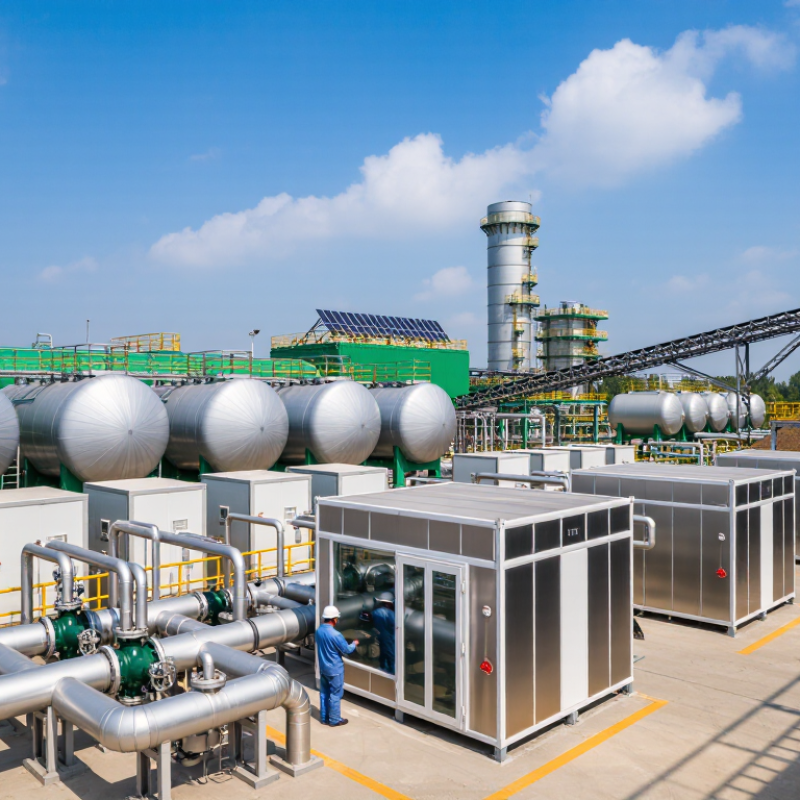
Biogas Treatment Engineering: Scope and Industry Role
Biogas treatment engineering covers the equipment and operating methods that prepare raw gas for useful energy. The design depends on feedstock, digester conditions, and the intended use, such as boilers, engines, or gas upgrading. Raw biogas commonly contains water vapor, carbon dioxide, hydrogen sulfide, and trace contaminants. Small changes matter.
Engineers assess gas composition, flow rates, pressure, and fluctuations over time before selecting treatment stages. Moisture removal can protect pipes and equipment from corrosion. Sulfur removal helps limit damage to engines and reduces emissions from combustion. Where required, carbon dioxide separation increases methane concentration. Sampling ports and continuous sensors help operators spot changing conditions before they disrupt production.
The industry role extends beyond installing vessels and filters. Treatment systems connect waste processing with dependable energy supply, while maintenance plans keep performance measurable. A sound design considers cleaning intervals, safe access, spare parts, and the quality of gas needed by the final user. Feedstocks can vary by season, and operating data is not always complete. That makes commissioning and routine testing essential, though even careful designs may need adjustment after real-world use.
Core Technologies and Engineering Services
Biogas treatment engineering starts with a close look at the raw gas, not a standard equipment list. Feed composition shifts with substrate, digester temperature, and operating habits. Engineers typically measure methane, carbon dioxide, moisture, hydrogen sulfide, and trace contaminants before selecting treatment. That baseline matters. Moisture removal and hydrogen sulfide control often protect compressors and downstream equipment. Activated carbon, iron-based media, membranes, pressure swing adsorption, and water or chemical scrubbing each suit different duties. Selection depends on gas quality, flow range, product specification, utilities, and maintenance capacity. One neat process diagram rarely tells the whole story.
Engineering services extend from feasibility studies and mass-balance calculations to equipment sizing, piping layouts, controls, and commissioning. Good designs allow for condensate drains, sample ports, safe access, and room to replace filter media. Operators need clear alarms and simple procedures, especially when gas quality changes after feedstock shifts. Commissioning should verify removal performance under real operating conditions, not only at a stable test point. Small details count. Even so, no treatment train stays perfect; media ages, sensors drift, and maintenance can slip. That deserves honest planning. Engineers should document assumptions, expected consumables, and process limits, then revisit them using operating data.
Criteria for Comparing Leading Biogas Treatment Companies
Comparing leading biogas treatment engineering companies starts with the gas, not the brochure. Ask how each design handles changing feedstock, moisture, hydrogen sulfide, and siloxanes. These contaminants can vary between sites and seasons. A sound proposal should explain its treatment stages, expected outlet quality, and operating limits in measurable terms. Check whether the design includes representative sampling points and instruments operators can actually maintain.
Performance claims need context. Compare methane recovery, energy use, expected uptime, and consumables under similar inlet conditions. Request reference projects with comparable gas composition and capacity, then ask what happened during commissioning and after startup. Review the team’s process engineering experience, safety procedures, operator training, and access to replacement parts. Lifecycle cost matters more than purchase price alone. Still, forecasts are estimates; real operating data may expose gaps in the original assumptions.
Tips: Ask for a simple process flow diagram and a sample operating report. Confirm who handles alarms, maintenance, and performance testing. Look closely at exclusions in the proposal. They can change the comparison. A perfect scorecard does not exist, so document uncertainties and explain how each supplier plans to manage them.
Profiles of Major Companies by Region
Regional profiles of biogas treatment engineering companies reflect different feedstocks and operating conditions.
In Europe, engineering teams commonly design upgrading systems for farm, food-waste, and wastewater gas, with close attention to grid-quality specifications. The European Biogas Association’s Statistical Report 2024 counted more than 1,500 biomethane plants across Europe at the end of 2023. That installed base supports experienced suppliers, but it does not mean every project runs smoothly. Feedstock variation still complicates gas cleaning and plant performance.
In North America, companies often serve landfill and agricultural projects, where modular treatment and reliable uptime matter. Across China, India, and Southeast Asia, providers address large agricultural streams as well as smaller decentralized digesters. The International Energy Agency’s Outlook for Biogas and Biomethane (2020) describes substantial untapped potential, while highlighting that development differs sharply by region.
Latin American engineering firms often work with livestock and food-processing residues; in parts of Africa, simpler systems may suit local maintenance capacity better. Conditions matter. Comparing companies only by capacity can miss practical strengths, such as corrosion control, operator training, and performance during seasonal feedstock changes. A neat regional ranking would be misleading.
Global Market Trends and Project Selection Factors
Across global markets, biogas treatment projects are adapting to stricter gas-quality requirements and varied end uses. Some facilities need carbon dioxide removal for biomethane production; others mainly require hydrogen sulfide and moisture control for reliable onsite power. Feedstock changes everything. Food waste, manure, and landfill gas can produce different contaminant profiles, so a standard equipment package may not fit every site.
Project selection should begin with a measured gas analysis, expected flow range, and the buyer’s delivery specification. Compare suppliers on documented performance with similar feedstock, energy consumption, methane losses, maintenance needs, and access to local technical support. Modular systems can suit changing output, but their extra connections may add maintenance points. Request references and operating data, not only design guarantees. Numbers need context. A low purchase price may look attractive, yet lifecycle cost depends on power use, replacement media, downtime, and staffing. Forecasts can also miss seasonal feedstock swings; allow room for uncertainty.
Tips: Ask for a clear process diagram and a sample maintenance schedule. Check how the system handles wet gas, variable flow, and brief shutdowns. If operators lack experience, simpler controls may be worth more than advanced features. Keep one question open: what happens when actual gas quality differs from the design case?
