

What Is Medical Paper Towels Used For?
Medical Paper Towels are designed for controlled cleanliness in healthcare environments. They commonly dry washed hands, absorb small spills, cover clean work surfaces, and support routine clinical procedures. Their disposable format helps limit repeated contact with damp, contaminated materials. Some varieties are low-lint, highly absorbent, or compatible with disinfectant solutions.
Clean hands matter.
As infection-prevention specialist Dr. William A. Rutala has stated, “Hand hygiene is the single most important measure to prevent the spread of pathogens.” Medical Paper Towels support this practice by removing moisture after handwashing. Wet hands can transfer microorganisms more easily than dry hands. A towel also gives users a practical way to touch handles or taps without direct skin contact.
However, not every paper towel is sterile. That distinction is easy to overlook. Products labeled for medical use may still differ in absorbency, strength, lint control, packaging, and intended application. A towel used for hand drying should not automatically replace a sterile surgical drape or wound dressing. Healthcare facilities must follow product instructions, risk assessments, and local infection-control procedures.
This guide examines how Medical Paper Towels function in clinics, laboratories, hospitals, and care facilities. It considers material quality, packaging, hygiene value, environmental concerns, and purchasing decisions. The topic seems simple. It is not always simple in practice. A towel that feels soft may shed fibers, tear when wet, or perform poorly during busy clinical work. Reliable selection requires evidence, careful observation, and attention to the actual task.
Definition and Basic Characteristics of Medical Paper Towels
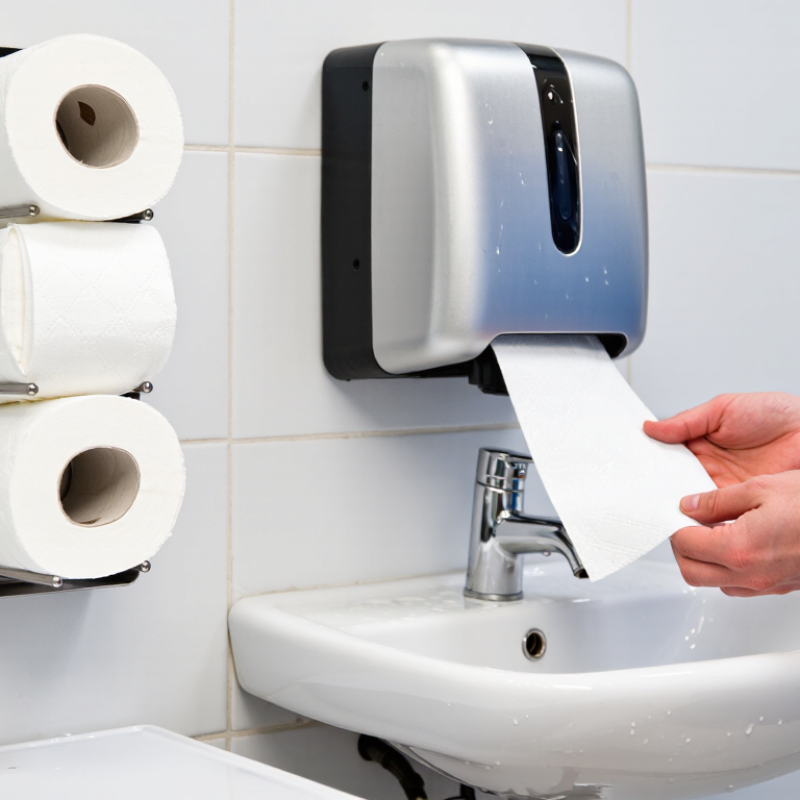
Medical paper towels are disposable, absorbent paper products used in healthcare environments. They can dry washed hands, cover examination surfaces, or absorb small amounts of water and non-hazardous fluid. The term is broad. Not every medical paper towel serves the same purpose.
Most products use cellulose fibers, often from virgin or recycled pulp. Their basic characteristics include absorbency, wet strength, low lint, softness, and controlled sheet size. A good towel should absorb quickly without tearing during use. It should also release from a dispenser smoothly. These details matter beside a sink or under a patient’s arm. The product is not sterile unless the manufacturer clearly states it.
The WHO and UNICEF Joint Monitoring Programme reported that only 57% of healthcare facilities had basic hygiene services globally in 2022. This figure shows why dependable hand-drying materials remain relevant. Dry hands reduce moisture that can support contamination transfer, but towels alone cannot replace proper handwashing or surface cleaning. Medical paper towels should be stored in dry, enclosed dispensers and replaced before supplies become damp. In practice, performance can differ between batches, even when the specifications look similar. That limitation deserves attention. A product may feel strong when dry but fail after absorbing fluid. Industry reporting also lacks one universal definition for “medical paper towel,” making comparisons less precise than buyers often expect.
| Dimension | Definition or Typical Characteristic | Primary Use in Medical Settings | Practical Importance |
|---|---|---|---|
| Definition | Single-use absorbent paper products designed for hygiene, drying, cleaning, or surface-protection tasks in healthcare environments. | Used in clinics, hospitals, laboratories, dental offices, and other care areas. | Supports hygienic workflows by providing a disposable alternative to reusable cloth towels. |
| Hand drying | Designed to absorb water from hands after handwashing. | Placed near sinks in clinical hand-hygiene areas and staff washrooms. | Thorough hand drying is an important part of hand hygiene because wet hands can transfer microorganisms more readily than dry hands. |
| Surface wiping | Soft, absorbent sheets used for light cleaning and removal of moisture or small spills. | Wiping examination surfaces, worktops, carts, and non-critical equipment. | Helps remove visible soil before applying an appropriate cleaning or disinfecting product. |
| Patient care | Disposable paper material used for routine moisture control and general care assistance. | Drying small areas of skin, protecting nearby surfaces, or handling minor non-bloody spills. | Provides convenient disposal after use and can help reduce cross-contamination between tasks. |
| Laboratory use | Low-lint or controlled-lint paper towels may be selected for work areas where loose fibers are undesirable. | Drying hands, wiping benches, and absorbing non-hazardous liquid during routine procedures. | The appropriate grade should be chosen according to the laboratory procedure and contamination-control requirements. |
| Material composition | Commonly manufactured from cellulose fibers, including virgin pulp, recycled fiber, or a blend. | Provides the absorbent structure of the towel. | Fiber type and manufacturing process affect softness, strength, absorbency, and lint performance. |
| Ply construction | Available in single-ply or multi-ply formats; multi-ply towels generally provide greater thickness and handling strength. | Selected according to the amount of moisture and the type of task. | More plies can improve durability, but they may also increase material use and storage volume. |
| Absorbency | Varies with basis weight, fiber structure, embossing, ply count, and manufacturing method. | Absorbing water, hand moisture, and small quantities of non-hazardous liquid. | Higher absorbency can reduce the number of sheets required for a task. |
| Wet strength | The ability of a towel to retain its structure when wet; performance differs among products. | Useful when wiping damp surfaces or handling a wet sheet. | Improved wet strength helps reduce tearing and leftover paper fibers during use. |
| Lint characteristics | Some products are manufactured to release fewer loose fibers than general-purpose paper towels. | Wiping sensitive work surfaces, instruments, or areas where visible fibers are undesirable. | Low-lint performance can support cleaner work areas, but no paper towel is completely lint-free. |
| Dispensing format | Common formats include folded sheets, rolls, center-pull rolls, and interfolded towels. | Dispensed from wall-mounted, countertop, or enclosed dispensers. | Single-sheet dispensing can help control consumption and limit contact with unused towels. |
| Single-use function | Intended to be discarded after one task or one user rather than laundered and reused. | Hand drying, wiping, and routine cleaning activities. | Reduces the need for collection, laundering, and redistribution of reusable towels. |
| Hygiene limitation | Ordinary medical paper towels are not automatically sterile and are not a substitute for disinfectants or sterilization. | Used for drying and cleaning support, not for sterile procedures unless specifically labeled and approved for that purpose. | Product selection must match the required infection-control level and facility policy. |
| Waste handling | Used towels must be discarded according to the type of contamination and local healthcare waste procedures. | Routine waste for uncontaminated use; designated waste streams when contaminated with blood, body fluids, chemicals, or hazardous materials. | Correct disposal helps protect staff, patients, waste handlers, and the environment. |
| Selection criteria | Important considerations include absorbency, strength, softness, lint level, dispenser compatibility, sheet size, packaging, and intended use. | Choosing towels for hand hygiene, environmental cleaning, patient care, or laboratory work. | The most suitable product is determined by the task, infection-control requirements, user comfort, and facility procedures. |
| Important note | Characteristics such as sheet size, absorbency, wet strength, and lint level vary by product and should be confirmed in the manufacturer's technical information. | Use only products appropriate for the specific clinical or laboratory application. | Paper towels should not be used to replace approved personal protective equipment, disinfectants, or sterile supplies. |