

What is an Orthodontic Adhesive System and How Does It Work?
Orthodontic treatment has evolved significantly over the years. One essential part of this evolution is the Orthodontic Adhesive System. Dr. Daniel G. Smith, an expert in orthodontics, states, "A reliable adhesive system is crucial for achieving optimal results in orthodontic care." This highlights the importance of this system in modern practices.
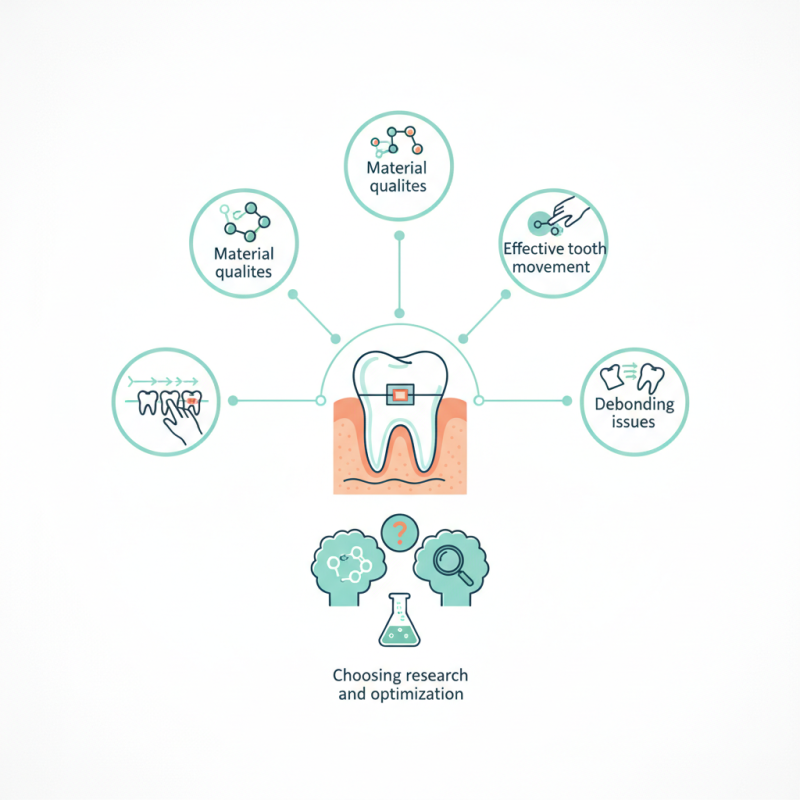
The Orthodontic Adhesive System enables braces and other appliances to bond securely to teeth. This bond ensures effective tooth movement and treatment efficiency. However, not all adhesive systems are equal. Some may lead to debonding or compromise the treatment outcome. It is a challenge that clinicians continuously face.
The material qualities and application techniques play vital roles in the system's success. Variations between products can alter clinical outcomes. Choosing the right system requires careful consideration. Each professional must reflect on their choices and the implications for their patients. There is no one-size-fits-all solution, and ongoing research is necessary to optimize these systems further.
What is an Orthodontic Adhesive System?
An orthodontic adhesive system is essential for securing braces and other appliances. Primarily composed of bonding agents, this system ensures that brackets adhere firmly to teeth. It consists of resin or composite materials that harden when exposed to light or air. When applied correctly, the adhesive creates a strong bond, allowing for effective tooth movement.
Tips: Proper surface preparation is crucial. Dentists must clean and etch tooth enamel before application. This increases adhesion strength and reduces potential issues later on.
The adhesive process usually involves placing a thin layer of adhesive on the bracket and then positioning it on the tooth. After that, a curing light is often used. But, if the adhesive is not cured properly, it might lead to debonding. This can require further adjustments, making the treatment longer.
Tips: Patients should maintain good oral hygiene to avoid adhesive failure. Proper cleaning can help prolong the effectiveness of the orthodontic adhesive system. Regular check-ups with the orthodontist are also important to monitor the bonds and ensure everything is functioning well.
Orthodontic Adhesive System Performance Comparison
This bar chart illustrates the performance metrics of various orthodontic adhesive systems. It compares bond strength (in MPa), removability (scale of 1 to 5), set time (in minutes), and cost (in dollars). These metrics provide valuable insights into the effectiveness and practicality of orthodontic adhesives in clinical practice.
Components of Orthodontic Adhesive Systems Explained
Orthodontic adhesive systems are crucial for effective dental treatments. They consist of several components that work together to bond brackets to teeth. The most common elements include primer, adhesive, and resin. Each component has a specific role in achieving a strong adhesion.
A primer prepares the tooth surface, making it more receptive to the adhesive. This phase is vital. If the primer fails to coat evenly, the bond may weaken. The adhesive is applied next. It should have the right viscosity, allowing it to flow into every crevice. A proper adhesive prevents brackets from dislodging during treatment. Lastly, a curing light is used. This process hardens the adhesive, securing the bond.
Understanding these components helps improve orthodontic outcomes. Yet, many practitioners overlook the importance of each step. Skipping any part of the process can lead to bonding failures. Attention to detail is essential. A small flaw in application might compromise the entire treatment plan. Regular training and reflection on these components can enhance effectiveness.
Mechanisms of Bonding: How Adhesives Attach Brackets to Teeth
Orthodontic adhesive systems play a crucial role in attaching brackets to teeth. The bonding mechanism involves creating a durable connection between the bracket and the enamel. This process relies on a combination of chemical and mechanical interactions. Bonding agents fill small imperfections in the tooth surface. This enhances retention, ensuring that brackets stay securely attached during treatment.
The materials used in orthodontic adhesives offer varying degrees of adhesion. Some work through direct chemical bonding, while others utilize light-activated curing. Light-activated adhesives can be tricky. If not cured properly, they may not achieve optimal strength. Variations in light exposure can lead to inconsistent results, impacting overall effectiveness.
To ensure proper bonding, orthodontists must consider multiple factors. These include tooth surface preparation and moisture control. If the enamel isn’t adequately cleaned, adhesion may falter. There’s also the challenge of patient compliance. Sometimes, patients fail to maintain proper oral hygiene, which can affect adhesive longevity. These elements highlight the complexities inherent in orthodontic adhesive systems.
What is an Orthodontic Adhesive System and How Does It Work?
| Adhesive Type | Composition | Bonding Mechanism | Curing Method | Typical Use Case |
|---|---|---|---|---|
| Light-cure resin | Bis-GMA, TEGDMA | Chemical bonding with enamel | Light activation | Brackets on anterior teeth |
| Self-etch adhesive | Acidic monomers | Etching and bonding in one step | No light needed | All types of brackets |
| Transbond XT | Bis-GMA resin with filler | Mechanical interlocking | Light cure | Standard metal brackets |
| Dual-cure adhesive | Bis-GMA and additional photo-initiators | Chemically activated and light-cured | Both methods | Indirect bonding systems |
Clinical Performance: Success Rates of Different Adhesive Systems
Orthodontic adhesive systems play a crucial role in the success of treatment. Their clinical performance varies, leading to different success rates among various systems. According to a study in the "American Journal of Orthodontics," the bond failure rate can differ significantly based on the adhesive used. For example, certain systems report bond failure rates as low as 2.5%, while others may reach 15%. This variation suggests that not all adhesives perform equally.
A specific adhesive’s curing process can affect its efficacy. Light-activated adhesives generally show better performance in clinical settings. Some studies indicate these adhesives can achieve over 90% success in maintaining bracket bonds after six months. However, factors such as moisture contamination and operator technique can complicate outcomes. Practitioners must approach these variables with caution.
In real-world scenarios, even high-performing adhesives can fail unexpectedly. Variables like patient compliance with oral hygiene can lead to higher bond failure rates. Observational studies reveal that outdated or improperly stored materials could also impact outcomes. The multifaceted nature of orthodontic adhesive performance calls for continuous evaluation and adaptation in clinical practices.
Future Trends: Innovations in Orthodontic Adhesive Technology
The field of orthodontics is rapidly evolving. Innovations in orthodontic adhesive technology are at the forefront. These advances aim to enhance bonding efficiency and patient comfort. Recent research explores new materials that offer stronger adhesion. The goal is to reduce the risk of bracket debonding during treatment.
Some promising trends include the use of bioactive adhesives. These materials can interact with tooth structures. They release beneficial ions that help in remineralization. This may improve tooth health during orthodontic treatment.
While these advancements are exciting, challenges remain. Not every new material has proven successful in clinical settings. There are still questions about long-term effectiveness. Continuous research is essential. Better materials can lead to improved patient outcomes and satisfaction. Embracing innovation with caution is key in this evolving landscape.
