
What is the Plastic Injection Process in China Manufacturing?
The plastic injection process is a cornerstone of modern manufacturing in China. This technique allows for the rapid creation of intricate plastic parts. Renowned industry expert Dr. James Liu emphasizes, "The efficiency of the plastic injection process drives innovation and economic growth." Understanding this process is crucial for businesses looking to streamline production.
China has established itself as a leader in plastic injection molding. Factories here utilize advanced machinery and skilled labor. However, challenges persist. Quality control can be inconsistent, impacting the final products. Additionally, environmental concerns are rising due to plastic waste.
Investors and manufacturers must focus on these issues. Adapting to new technologies and sustainability practices will ensure success. The plastic injection process holds great promise, but it requires continuous improvement. Embracing these changes will enhance both product quality and environmental responsibility.
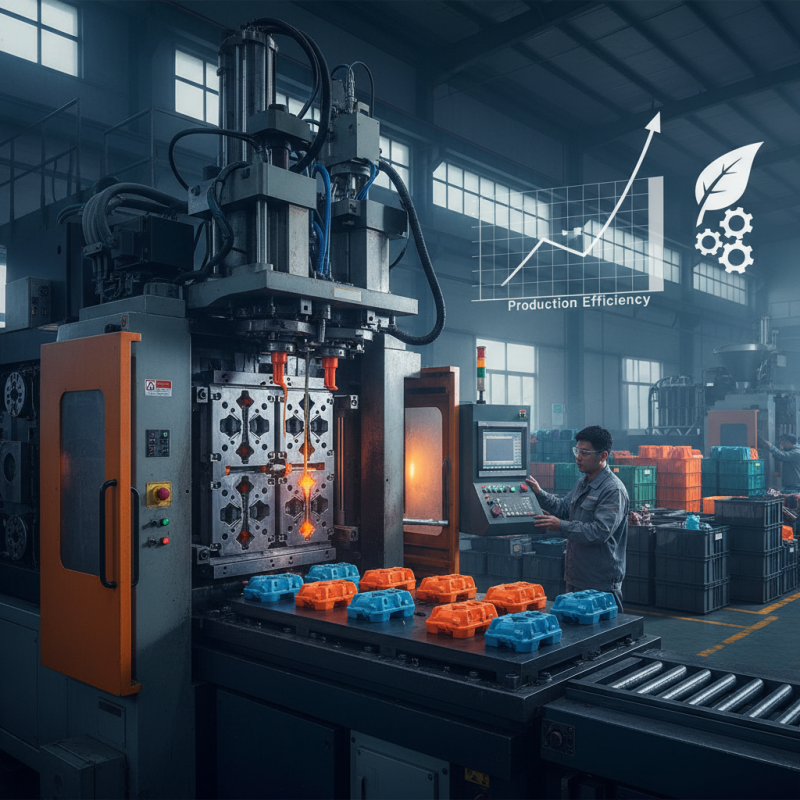
Overview of Plastic Injection Molding in China Manufacturing
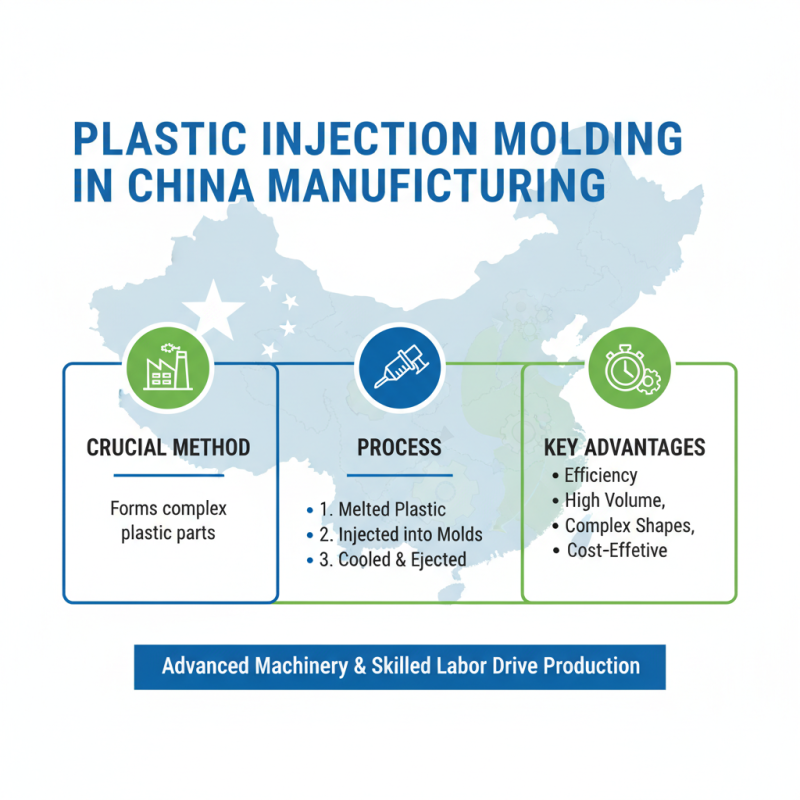
Plastic injection molding is a crucial method in China's manufacturing sector. It involves creating parts by injecting plastic into molds. This technique is widely used due to its efficiency and ability to produce complex shapes. Factories across China utilize advanced machinery and skilled labor to enhance the production process.
In a typical plastic injection process, raw materials are heated until they melt. The molten plastic is then injected into a mold, where it cools and solidifies. This technique allows for high precision and repetition, making it ideal for mass production. However, challenges exist. Some manufacturers struggle with quality control, leading to defects in finished products. Addressing these inconsistencies is essential for maintaining trust with clients.
The landscape of plastic injection molding in China continuously evolves. Automation and technology integration improve production speed and reduce waste. Yet, some companies still rely on outdated techniques. This reliance can limit their competitiveness in the global market. Continuous learning and adaptation are vital for success. Embracing innovation while acknowledging past practices creates a balanced approach in this dynamic industry.
Key Stages of the Plastic Injection Process in China
The plastic injection process in China involves several key stages, each crucial for product quality. It begins with material selection, typically involving around 30% of production costs. Common materials include polypropylene and acrylonitrile butadiene styrene (ABS). Depending on the application, manufacturers choose materials that provide strength, flexibility, or heat resistance. These choices impact durability and recyclability.
Next, mold design is pivotal. Designing high-precision molds can take weeks. Engineers often use computer-aided design (CAD) to achieve accuracy. The mold must withstand pressures of up to 1,500 psi during injection. China’s mold-making industry has grown significantly, with an estimated worth of $2 billion in 2022. This growth reflects the increasing demand for high-quality products.
Then comes injection, where heated plastic enters the mold. This step lasts only seconds but is crucial. The temperature needs to be around 200°C to ensure proper flow. Cooling takes time; it can be several minutes before the product is removed. Occasionally, defects occur, like sink marks or warping, necessitating further revisions in the process. Overall, while the process in China is efficient, it is essential to continuously monitor and improve these stages for better outcomes.
What is the Plastic Injection Process in China Manufacturing? - Key Stages of the Plastic Injection Process in China
| Stage | Description | Duration | Key Considerations |
|---|---|---|---|
| Material Preparation | Gathering and preparing raw plastic materials for molding. | 1-2 days | Quality of materials, supplier reliability. |
| Mold Design | Creating the mold design based on product specifications. | 1-3 weeks | Precision and complexity of design. |
| Injection Molding | Injecting molten plastic into the mold to form the part. | Seconds to minutes per cycle | Temperature control, injection speed. |
| Cooling | Cooling the molded part to solidify its shape. | 1-5 minutes | Cooling time affects production speed. |
| Ejection | Ejecting the finished part from the mold. | Moments | Ejection force, part integrity. |
| Finishing | Trimming, cleaning, and inspecting the finished product. | 1-2 days | Quality checks, final adjustments. |
Materials Used in Plastic Injection Molding
Plastic injection molding is an essential process in manufacturing. It allows for the efficient production of complex shapes and designs. The choice of materials in this process is crucial for quality outcomes. Various plastics are employed, each possessing unique properties.
Common materials include acrylonitrile butadiene styrene (ABS) and polycarbonate (PC). ABS is known for its strength and impact resistance. It's often used in automotive parts and consumer goods. Polycarbonate, on the other hand, is favored for its transparency and high-temperature resistance. Both materials contribute to the durability of the final product.
However, not every material meets all application needs. Some plastics may not perform well under extreme conditions. Others might face challenges in achieving desired finishes. Understanding these limitations helps manufacturers choose wisely. Making informed decisions enhances reliability in production. Factors like cost, availability, and environmental impact also come into play. Each material presents opportunities and challenges, requiring careful consideration throughout the process.
Materials Used in Plastic Injection Molding
This chart shows the distribution of various materials commonly used in the plastic injection molding process in China manufacturing. The most popular materials include polypropylene, ABS, and polyethylene, highlighting trends in material choice for production efficiency and product quality.
Quality Control Measures in Chinese Plastic Injection Manufacturing
Quality control is crucial in the plastic injection manufacturing process in China. The industry has seen improvements in standards and practices over the years. According to a report by the China Plastics Industry Association, nearly 70% of manufacturers now implement rigorous quality control systems. This shift reflects a growing emphasis on producing high-quality products that meet international standards.
One common measure is the use of advanced inspection technology. Manufacturers often use 3D scanning and automated vision systems to detect defects early. This not only reduces waste but also improves product consistency. Proper training for staff in quality assurance is essential. Manufacturers must develop a culture of quality at all levels.
Tips: Regular audits can catch issues before they escalate. Additionally, maintain clear communication with suppliers regarding quality specifications. It's challenging to achieve perfect quality, and many companies still struggle with consistency. This highlights the importance of continuous improvement in processes and systems. Adaptability and innovation remain key components in achieving higher standards.
A Comparison of Plastic Injection Techniques in China and Worldwide
The plastic injection process is pivotal in manufacturing across the globe. In China, it stands out due to its scalability and cost-efficiency. Recent industry reports indicate that China's plastic injection market is projected to grow at a significant CAGR of about 5.2% through 2024. This growth is fueled by the country’s robust supply chain and technological advancements. However, despite its strengths, there are challenges. Quality control remains a critical issue, with some factories struggling to maintain consistent standards.
Compared to global techniques, China's approach is unique. Countries like the United States and Germany emphasize precision and technology. For example, Germany's use of advanced robotics in injection molding enhances accuracy, reducing wastage. In contrast, many Chinese manufacturers are still adopting automation variably. This brings variability in quality and consistency. It’s important for companies to benchmark practices and invest in better technology.
Tips for improvement: Regular audits of the manufacturing process can reveal inconsistencies. Training for staff on the latest techniques can enhance output quality. Implementing lean manufacturing practices helps in waste reduction. Fostering collaboration with local suppliers can also lead to innovative solutions in the injection molding process.
Related Posts
-
Exploring the Benefits and Applications of Various Injection Molding Products in Today's Industry
-
Common Challenges Faced in Mold Plastic Injection Processes
-
Quality Driven Global Success of Prototype Injection Molding from China
-
The Future of Injection Tooling Innovations and Opportunities
-
How to Choose the Right Injection Molding Tooling for Your Production Needs
-
Exploring the Future of Plastic Injection Process at the 138th Canton Fair 2025 in China