

What are Polymer Additives and Their Applications in Industry?
In the realm of advanced materials, "Polymer Additives" play a crucial role in enhancing the performance of polymers across various industries. Dr. Emily Hart, a leading expert in polymer science, once stated, "The right additives can transform basic polymers into high-performance materials." This insight underscores the importance of these additives in applications ranging from automotive to packaging.
Polymer Additives serve many functions, including improving durability, flexibility, and thermal stability. Their usage often leads to innovations that enhance product lifespan and efficiency. For example, anti-aging agents and UV stabilizers protect materials from degradation. This ensures long-lasting performance, which is vital in industries where material failure can lead to significant losses.
Nevertheless, using Polymer Additives raises questions about sustainability and environmental impact. The challenge lies in balancing performance with eco-friendliness. As the industry evolves, the drive towards biodegradable and safer additives is gaining traction. This ongoing transformation highlights the need for continuous research and collaboration among experts to foster innovation while remaining aware of our environmental responsibilities.
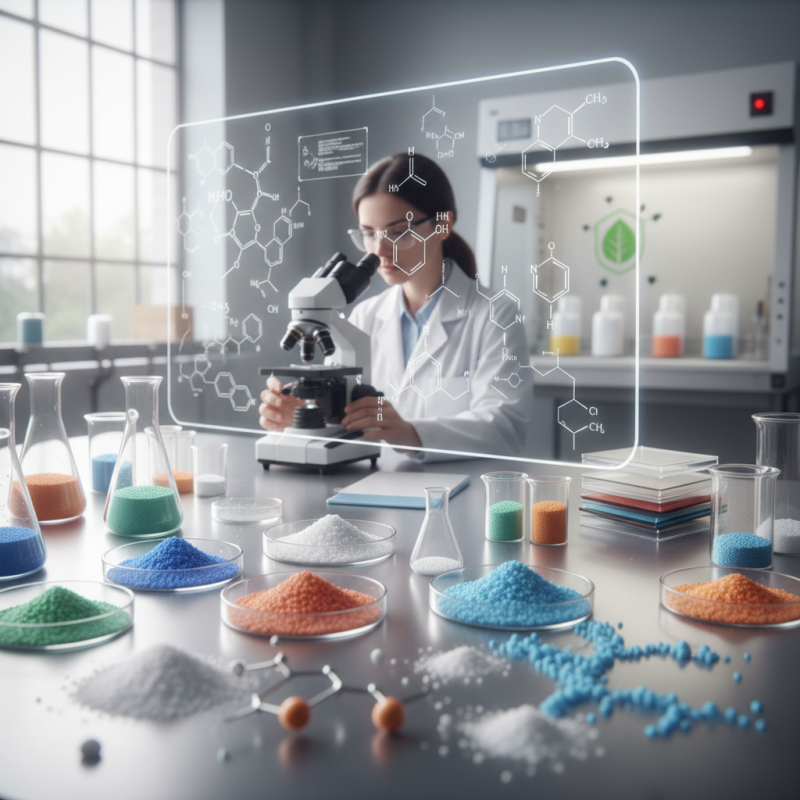
Polymer Additives: Definition and Classification
Polymer additives play a crucial role in enhancing the performance of products across various industries. These substances are classified into several categories, including plasticizers, stabilizers, impact modifiers, and flame retardants. Each type serves a unique purpose, improving properties such as flexibility, durability, and fire resistance. According to a market report by Grand View Research, the global polymer additives market size was valued at over $40 billion in 2021 and is projected to grow significantly. This rapid expansion reflects the ongoing demand for high-performance materials in sectors like automotive, construction, and electronics.
Tips: When selecting polymer additives, consider the specific requirements of your application. Evaluate factors like temperature tolerance, processing methods, and end-use conditions. Understanding these details can save costs and improve product reliability.
Polymer additives are not without their challenges. The environmental impact of certain additives has raised concerns. For instance, some plasticizers are linked to health risks. This issue calls for thorough assessment and innovation in the development of safer alternatives. Research indicates that biodegradable additives are gaining traction, driven by the need for sustainable materials. Moving forward, the industry must balance performance with safety and environmental considerations.
Key Functions of Polymer Additives in Materials Science
Polymer additives play a crucial role in materials science. They enhance the performance and durability of polymers. Different types of additives cater to specific needs in various industries. These include plasticizers, stabilizers, and fillers. Each additive serves a unique function. For instance, plasticizers increase flexibility. Stabilizers improve thermal and UV resistance.
Additives also affect processing characteristics. They can alter viscosity and improve flow. This ensures better mold filling during manufacturing. However, it’s important to choose the right additives. Overuse might lead to adverse effects, such as loss of mechanical properties.
Tips: Always test additives in small batches. Monitor their influence on polymer properties. Adjust the formulation based on test results. Remember, less can be more when it comes to additives. Effective use requires balancing performance and cost. Fine-tuning your blend can lead to superior outcomes.
What are Polymer Additives and Their Applications in Industry?
| Additive Type | Function | Common Applications | Industry |
|---|---|---|---|
| Plasticizers | Increase flexibility and workability | Vinyl flooring, cables | Construction, Electronics |
| Stabilizers | Prevent degradation caused by heat or light | PVC products, coatings | Construction, Automotive |
| Antioxidants | Prevent oxidation and extend product life | Rubber products, plastics | Manufacturing |
| Fillers | Reduce cost and improve mechanical properties | Paper, rubber, plastics | Packaging, Automotive |
| Colorants | Provide color and improve aesthetic appeal | Cosmetics, consumer goods | Personal Care, Retail |
Market Trends: Global Demand for Polymer Additives by Sector
The global demand for polymer additives is witnessing significant growth across various sectors. These additives enhance the properties of polymers, making them suitable for specific applications. The construction sector relies on additives that improve durability and resistance to environmental factors. In packaging, additives are essential for enhancing barrier properties, which prolong shelf life.
In the automotive industry, there is an increasing need for lightweight materials with improved performance. Additives play a crucial role in achieving these goals by improving impact resistance and reducing wear. The electronics sector is also seeing rising demand, as additives help in managing static electricity and ensuring optimal conductivity.
However, there are challenges to address. The environmental impact of some additives raises concerns among manufacturers. The industry is exploring greener alternatives, but the transition is often slow. Moreover, regulatory changes can create uncertainties that affect market trends. Stakeholders must adapt to these evolving conditions while maintaining product quality.
Case Studies: Applications of Additives in the Automotive Industry
In the automotive industry, polymer additives play a crucial role in enhancing material performance and durability. These additives improve properties such as impact resistance, UV stability, and heat resistance. For instance, plasticizers are often utilized to improve flexibility in dashboard materials and seat covers. This flexibility contributes to comfort and safety in vehicles. The use of flame retardants is also significant, to ensure that vehicle interiors meet stringent safety standards.
Another case involves the application of lubricants in automotive components. Lubricants reduce friction and wear, contributing to longer-lasting and more efficient engines. However, the selection of the right lubricant is critical. If the wrong additive is chosen, it can lead to performance issues and increased maintenance costs. This underscores the importance of thorough testing and evaluation of additives in the development phase.
Moreover, the integration of nanomaterials into polymers presents unique opportunities. These additives can enhance strength while keeping weight low. Car manufacturers are increasingly exploring this technology. However, the scalability of production and cost-effectiveness remain challenges. Evaluating these factors is vital for the widespread adoption of these advanced additives.
Environmental Impact and Sustainability of Polymer Additives
Polymer additives play a crucial role in enhancing the properties of materials used across various industries. However, their environmental impact cannot be overlooked. The production and disposal of these additives often contribute to pollution. Many additives are derived from fossil fuels, which raises concerns about sustainability. Their degradation in the environment can lead to microplastics, affecting wildlife and ecosystems.
Recent studies highlight the need for greener alternatives. Biodegradable additives are emerging, offering the potential to minimize plastic waste. These eco-friendly options can still maintain the desired properties in polymers. However, the challenge lies in ensuring that they perform on par with traditional additives. Some manufacturers have begun shifting towards renewable resources, but this transition requires significant investment.
The regulatory framework is evolving to address these issues. Policymakers are focusing on reducing the use of harmful chemicals in additive formulations. Still, there is a significant gap in awareness among consumers. Many people remain uninformed about the implications of their choices regarding polymer products. As industries evolve, transparent communication becomes essential. Sustainable practices in using polymer additives are possible but require collaboration and continuous improvement.
