

How to Source Food Grade Chemicals for Your Business?
Sourcing Food Grade Chemicals is a vital process for many businesses in the food industry. These chemicals ensure safety and quality in food production. However, navigating this market can be complex due to regulations and standards.
When looking for suppliers, it is essential to evaluate their experience and certifications. Trustworthy suppliers understand the intricate safety requirements. This knowledge is crucial in maintaining product integrity. You should also consider sourcing locally when possible. Local suppliers often have quicker delivery times and better support.
Choosing reliable food grade chemicals requires ongoing reflection and research. Mistakes can lead to severe consequences, so prioritize quality. Your business reputation depends on it. Explore multiple sources, and always verify their compliance with regulations. This diligence helps in making informed decisions for your production needs.
Understanding Food Grade Chemicals and Their Importance
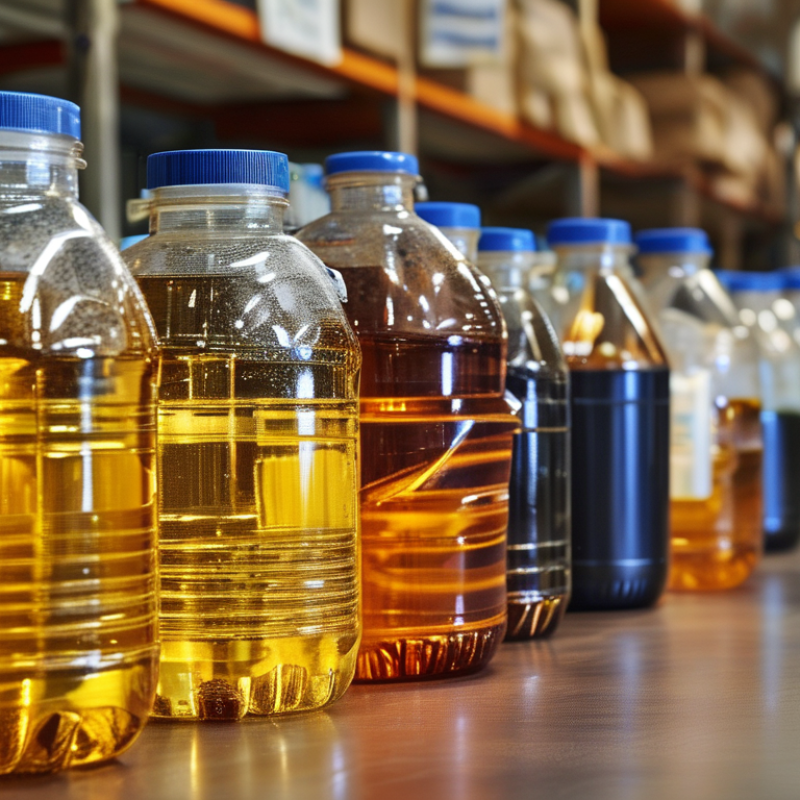
Understanding food grade chemicals is crucial for any business in the food industry. These substances are safe for consumption and meet strict regulatory standards. They play a vital role in food preservation, flavor enhancement, and even nutritional enrichment. Knowing the different types and their applications can significantly impact product quality.
Many businesses struggle with sourcing these chemicals. It’s not just about finding the right supplier. Quality assurance is essential. Asking for certifications or testing samples can be necessary steps. However, relying solely on certifications might not guarantee the highest standards. It’s a complex journey, and companies often face challenges in consistency and reliability.
It’s also essential to consider the ethical implications of sourcing these chemicals. Are suppliers transparent about their processes? Do they follow sustainable practices? These questions can lead to deeper insights into the supply chain. Reflecting on these aspects can help in making informed decisions that align with the company’s values.
How to Source Food Grade Chemicals for Your Business?
| Chemical Name | CAS Number | Application | Sourcing Considerations |
|---|---|---|---|
| Sodium Chloride | 7647-14-5 | Preservative, Flavoring Agent | Food safety certifications, supplier reliability |
| Citric Acid | 77-92-9 | Acidulant, Flavor Enhancer | Quality control, certifications, cost comparison |
| Food Grade Phosphoric Acid | 7664-38-2 | pH Regulation, Flavoring | Supplier reputation, compliance with food standards |
| Potassium Sorbate | 24634-61-5 | Preservative | Safety data, reliable sourcing, cost efficiency |
| Ascorbic Acid | 50-81-7 | Antioxidant, Preservative | Certifications, supplier audits, pricing |
Identifying Reliable Suppliers for Food Grade Chemicals
Finding reliable suppliers for food grade chemicals is essential for any business in the food industry. Start by checking relevant certifications. Suppliers should have clear documentation proving their chemicals meet safety standards. Look for compliance with local health regulations. This demonstrates a commitment to quality and safety.
Networking within the industry can yield valuable insights. Attend trade shows and conferences. These events offer the chance to meet potential suppliers face-to-face. Personal interactions can help assess their reliability and transparency. Asking for references or existing client feedback can provide a clearer picture of their reputation.
When evaluating suppliers, consider their production methods. Transparency in sourcing and manufacturing indicates reliability. Don’t hesitate to ask about their quality control processes. Many businesses overlook this step but it is crucial. It reduces the risk of encountering substandard products. Additionally, reflecting on your own supply needs and any gaps can guide your search effectively.
Evaluating Quality Standards and Certifications for Chemicals
When sourcing food grade chemicals, evaluating quality standards and certifications is critical. These benchmarks ensure that the chemicals meet safety and purity requirements. The Global Food Additives Market was valued at approximately $66 billion in 2023, reflecting the significant demand for high-quality food processing materials. This market growth drives the need for reliable suppliers who adhere to strict quality regulations.
Certifications such as ISO 22000 and HACCP provide guidelines for food safety management systems. Companies without these certifications may pose risks to your production processes. A study revealed that 30% of chemical suppliers lack appropriate certifications, potentially jeopardizing food safety. This statistic highlights the importance of thorough vetting when selecting suppliers. It is essential to require transparency in their quality assurance methods.
While many suppliers exhibit valid certifications, investigating their ongoing compliance is crucial. Some might have outdated processes or insufficient quality checks. Regular audits and assessments can prevent issues such as contamination or subpar product quality. A proactive approach to sourcing will safeguard your business and ensure consumer trust. Be aware of the evolving regulatory landscape, as maintaining compliance is an ongoing responsibility.
Evaluating Quality Standards for Food Grade Chemicals
This bar chart displays the quality ratings of various food grade chemicals commonly sourced for business use. Ratings are evaluated on a scale of 1 to 10, providing a visual representation of their quality standards.
Establishing Safe Handling and Storage Practices
Establishing safe handling and storage practices for food grade chemicals is crucial for any business. The first step is to assess the storage environment. Ideal conditions must maintain consistent temperatures and humidity. Chemicals should be stored away from direct sunlight and in a well-ventilated area. Regular inspections of storage areas can prevent accidents. Ensure that the chemicals are clearly labeled to avoid confusion.
Proper training is essential for employees who handle these chemicals. Training sessions should cover safety protocols and emergency response procedures. Employees must understand how to use personal protective equipment (PPE). This includes gloves, goggles, and masks. It’s important to create a culture of safety. Encourage team members to voice concerns about handling practices. Reflection on past incidents can help in improving safety measures.
While many businesses aim for high standards, mistakes can occur. Sometimes, staff may forget to follow safety protocols. This underlines the necessity of consistent training and reminders. Regular audits of handling practices can identify areas for improvement. Even small oversights can lead to significant risks in the long term. Emphasizing a proactive approach can significantly enhance safety in the workplace.
Navigating Regulatory Compliance in Food Grade Chemical Sourcing
Navigating regulatory compliance is crucial when sourcing food grade chemicals. Various regulations exist globally. Each country has its guidelines for safe chemical use in food production. Understanding these requirements can be complex. It requires diligence and a proactive approach.
To ensure compliance, start by identifying key regulations. They often include standards from food safety authorities. Familiarize yourself with their guidelines. They cover aspects like chemical purity and labeling. Documentation is vital. Maintain records of sourcing, usage, and testing. This can protect your business during inspections.
Regular audits can expose gaps in compliance. This reflection could highlight areas for improvement. Consider consulting with regulatory experts. They can guide you through the complexities. Always stay updated with changing regulations. Staying informed will prevent costly mistakes. Accurate sourcing not only meets legal requirements but also builds trust with clients.
