

Quality Mold

What is Tire Recycling Machine and How Does It Work?

In recent years, the issue of tire waste has gained significant attention. Approximately 1.5 billion tires are discarded globally each year. This creates environmental challenges and highlights the need for effective waste management solutions. The Tire Recycling Machine is a crucial innovation in this field. It helps transform waste tires into reusable materials, reducing landfill impacts and promoting sustainability.

The technology behind Tire Recycling Machines has evolved rapidly. By employing processes like shredding, granulating, and steel separation, these machines efficiently process scrap tires. According to the Rubber Manufacturers Association, about 80% of scrap tires can be repurposed. This statistic underscores the importance of effective recycling machinery in addressing tire waste.

However, not all recycling operations are equal. Some facilities struggle with efficiency and environmental standards. Understanding how a Tire Recycling Machine works can help identify best practices. It also highlights areas needing improvement, ensuring that the recycling industry can meet growing demands and environmental expectations. Reassessing these operations is vital for advancing sustainability in tire management.
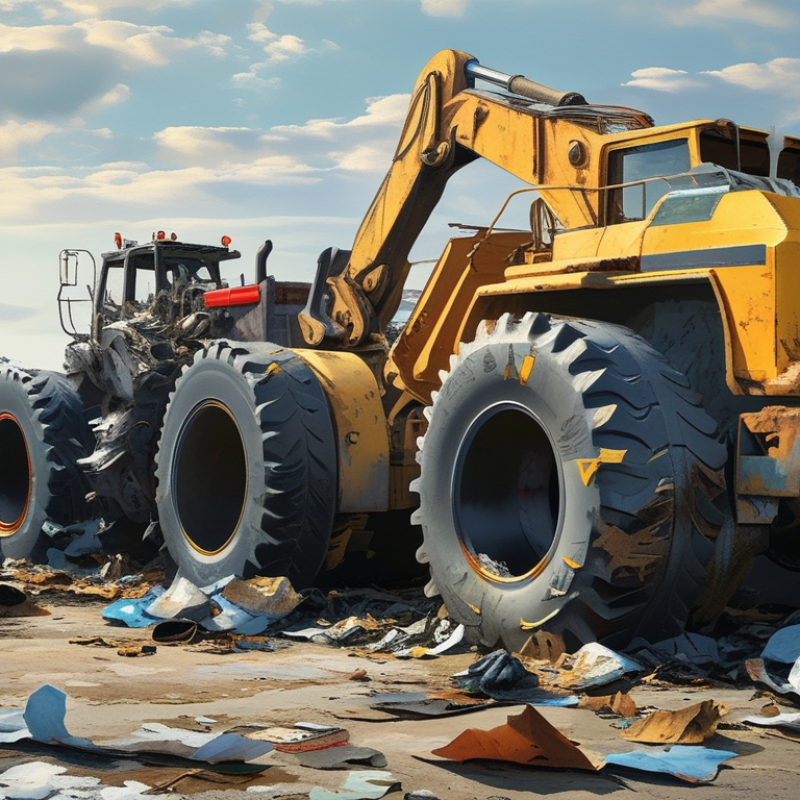
What is Tire Recycling Machine and How Does It Work?

What is a Tire Recycling Machine?

A tire recycling machine is a specialized piece of equipment designed to process used tires. It breaks down whole tires into smaller pieces, transforming them into valuable materials. These materials can be reused in various industries, reducing waste and promoting sustainability.

The process begins with the loading of tires into the machine. Once inside, the tires are shredded into smaller chunks. This step is crucial, as it prepares the material for further refinement. After shredding, a series of screens and air classifiers separate the steel, fiber, and rubber components. Each of these materials has significant value in the market. However, achieving the right separation can be challenging, often requiring adjustments to the machine.

Maintenance of the recycling machine is essential for efficient operation. Over time, wear and tear can lead to less effective processing. Operators must regularly inspect the equipment for any issues. Additionally, training in its use is vital. Poorly trained staff may struggle to optimize settings, reducing output quality. This highlights the importance of proper handling and ongoing education in achieving the best results in tire recycling.

Tire Recycling Machine Efficiency Overview

This bar chart represents the efficiency percentage of different stages of a tire recycling machine. Each stage contributes to the overall process of recycling tires into usable products, with the shredding and final product stages showing the highest efficiency rates.

Components of a Tire Recycling Machine

Tire recycling machines play a crucial role in processing waste tires. They help convert end-of-life tires into reusable materials. Understanding the components of these machines can shed light on their functionality and efficiency.

One key component is the shredder. This device breaks down whole tires into smaller, manageable pieces. Shredding reduces tire volume significantly. It’s essential for creating uniform material for further processing. Studies indicate that proper shredding can increase the efficiency of subsequent recycling stages.

Another vital part is the granulator. This component transforms shredded tires into granules, which can be used in various applications.

Additionally, the steel separator works to extract embedded steel cords. This is important, as around 30% of a tire's weight comes from steel. Efficient separation can enhance the quality of recycled products.

Lastly, the airflow system aids in removing fine particles and ensuring a cleaner end product. According to industry reports, effective air management can improve output by up to 20%. These machines are more than just parts working together; they embody a technology that addresses a growing environmental concern.

The Tire Recycling Process: Step by Step

The tire recycling process involves several crucial steps that transform waste tires into valuable materials. Initially, tires are collected from various sources, such as auto repair shops and landfills. Once gathered, they are transported to a recycling facility. Here, they undergo inspection and sorting to remove any contaminants, like metals and debris. This stage is necessary to ensure the efficiency of the recycling process.

Next, the tires are shredded into smaller pieces. This makes it easier to extract useful components. Shredding generates crumb rubber, which can be used for various applications. Some recycled materials are used to create new products, such as rubber mats and asphalt for roads. Others might be transformed into energy through incineration, although this step raises environmental concerns.

After shredding, further processing occurs. The crumb rubber can be treated to separate fibers and steel wires. This stage can be challenging, as it requires precise machinery and expertise. The quality of the end material largely depends on how well each step is executed. When the process is not done right, it can lead to lower-quality products. Despite these challenges, tire recycling remains a vital solution for waste management and resource recovery.

What is Tire Recycling Machine and How Does It Work? - The Tire Recycling Process: Step by Step

Step Description Equipment Used Output Material
1 Collection of Scrap Tires Transport Trucks Scrap Tires
2 Shredding Tires into Small Pieces Tire Shredder Tire Shreds
3 Separation of Steel and Fiber Magnetic Separator, Air Classifier Steel, Fabric
4 Crumb Rubber Production Granulator Crumb Rubber
5 Production of Rubber Products Mixing Process Equipment Rubber Products

Benefits of Using Tire Recycling Machines

Tire recycling machines play a vital role in managing used tires. They process around 33 million tons of tires in the U.S. each year. Recycling these tires significantly reduces landfill waste. By converting discarded tires into valuable materials, we minimize environmental harm.

The benefits of using tire recycling machines are substantial. For instance, recycled rubber can produce high-quality products like playground surfaces and road materials. This practice creates a circular economy where resources are reused sustainably. A report from the Tire Stewardship America shows that recycling tires can replace 20 million barrels of oil annually. That is enough energy to power about 1.3 million homes for a year.

Moreover, tire recycling can lead to job creation. The industry supported approximately 38,000 jobs in the U.S. in 2020 alone. Communities often see economic revitalization through local recycling facilities. However, challenges remain. Not all regions have adequate collection systems, and some machines may lack efficiency. Continuous improvements are necessary to maximize the benefits of tire recycling and address these shortcomings.

Applications of Recycled Tire Materials

Recycled tire materials have become a valuable resource across various industries. In construction, shredded tires are used in lightweight fill, which reduces the burden on foundation structures. According to the U.S. Environmental Protection Agency, over 290 million tires were disposed of in 2019. Only about 11% were recycled. This presents a significant opportunity for growth in the use of recycled tire materials.

In landscaping, tire-derived mulch serves both aesthetic and practical purposes. It retains moisture and reduces weed growth. Additionally, rubberized asphalt mixes, which incorporate crumb rubber from tires, enhance road durability and can improve safety by providing better traction in wet conditions. Over 30 million scrap tires are processed into asphalt each year, as reported by industry studies.

Consider the environmental and economic advantages of incorporating recycled tire materials. However, not all recycling processes are equal. Some methods may produce lower-quality materials, necessitating careful evaluation for specific applications. Explore local resources that highlight successful case studies in recycled tire usage. This exploration can inspire innovative solutions in your own projects.