

Quality Mold

Top 10 Automatic BOV Aerosol Filling Machines to Buy

Choosing the right Automatic BOV Aerosol Filling Machine requires more than comparing prices or production speeds. A reliable system must handle product filling, propellant charging, valve placement, and container sealing with consistent accuracy. In real production rooms, small details matter. A poorly aligned valve can cause leakage, rejected cans, and unnecessary downtime.

This guide reviews ten machines for manufacturers seeking dependable BOV aerosol packaging equipment. Each option deserves attention for its filling precision, operating range, automation level, maintenance access, and technical support. We also consider practical features, such as stainless-steel contact parts, adjustable dosing systems, clear control panels, and easy-to-clean working areas. These details become important during long shifts.

Performance data should come from verifiable testing, not attractive catalog language. Buyers should request sample trials, output records, warranty terms, and documentation for applicable safety and quality requirements. Supplier experience matters too, especially when operators need training or replacement components. A machine may appear efficient on paper, yet perform differently with thicker formulas or unusual container sizes. That deserves caution.

No ranking can fit every factory. Some choices may suit small batches, while others support continuous commercial production. Budget, floor space, local service, and future expansion should shape the final decision. The following list offers a practical starting point, not a final purchasing verdict. Inspect carefully. Ask better questions.
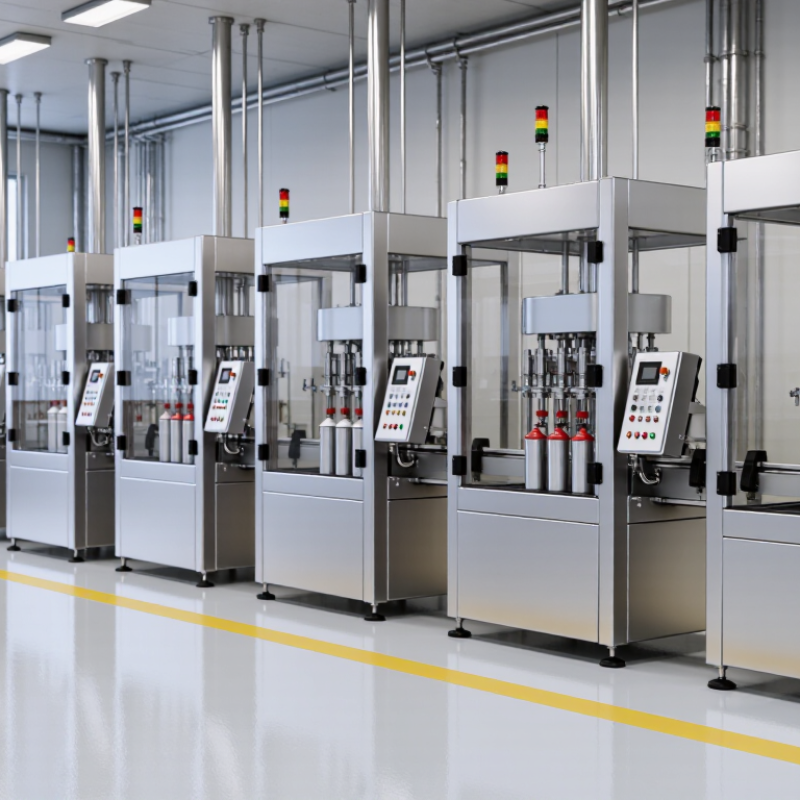
Top 10 Automatic BOV Aerosol Filling Machines to Buy

What Are Automatic BOV Aerosol Filling Machines?

An automatic BOV aerosol filling machine is an integrated system for bag-on-valve containers. BOV means bag-on-valve. The formula stays inside a sealed flexible bag, while compressed air or another permitted propellant remains outside it. Pressing the actuator pushes the product out without direct propellant contact.

A typical machine cleans containers, doses the formula, positions the bag, crimps the valve, and checks the seal. It then fills the propellant chamber and tests for leaks. Servo-driven pumps improve dosing consistency. Checkweighers identify underfilled units. Sensors also reject poorly crimped valves before packaging. A fast line is not automatically a good line.

Grand View Research estimated the global aerosol market at roughly US$76 billion in 2023. The report projects continued growth through 2030. European Aerosol Federation statistics also show more than five billion aerosol units produced annually in Europe. These figures do not represent BOV machines alone, but they indicate strong demand for controlled aerosol production.

When evaluating the top 10 machines to buy, examine output, filling accuracy, container range, and changeover time. Ask for documented test results, maintenance records, and operator training. ISO-based quality procedures matter. So does practical access to replacement seals and valves. One overlooked issue is cleaning time. It can quietly reduce daily output. My assessment would also include noise, compressed-air consumption, and reject handling. Specifications look impressive, but factory trials reveal the uncomfortable details.

How BOV Aerosol Filling Technology Works

BOV aerosol filling technology works by separating the formula from its propellant. The product sits inside a flexible bag. Compressed air or nitrogen fills the space around it. When the actuator is pressed, pressure squeezes the bag and pushes the formula outward. The product stays isolated from the propellant.

An automatic BOV filling machine manages this process through measured stages. It positions empty cans, fills the bag, inserts the valve, and crimps it securely. A separate station adds the propellant through the valve.

Sensors check weight, pressure, valve placement, and possible leakage. Some systems also rinse containers and reject unstable units automatically. Small details matter, especially the crimp depth.

When comparing the top 10 automatic BOV aerosol filling machines to buy, inspect control accuracy and cleaning access. A fast machine is not always the safest choice. Operators should review filling tolerances, changeover time, maintenance records, and emergency controls. Stainless steel contact parts can support hygiene, but they still require disciplined cleaning.

I have found that poor calibration causes more trouble than slow equipment. That assumption deserves regular testing. Clear batch records also improve traceability when a filling result looks unusual.

A practical trial with the intended formula can reveal foaming, inconsistent pressure, or difficult valve seating before purchase. Test it carefully.

Top 10 Automatic BOV Aerosol Filling Machines to Buy

Top 10 Automatic BOV Aerosol Filling Machines to Buy

Choosing among the top 10 automatic BOV aerosol filling machines requires more than comparing speed. The European Aerosol Federation reported approximately 5.3 billion aerosol units filled in Europe during 2023. This volume reflects strong demand for reliable, repeatable production equipment.

The best machines should deliver accurate product dosing, controlled propellant filling, and stable valve placement. Look for servo-driven pumps, stainless-steel product paths, automatic leak testing, and quick-change tooling. A practical machine should also record pressure, temperature, batch numbers, and rejection rates. These features support traceability and quality reviews. Small details matter.

PMMI industry research continues to identify automation, digital monitoring, and flexible changeovers as major packaging priorities. For BOV production, buyers should test real formulations before purchasing. Viscosity, foam behavior, container size, and actuator design can change performance significantly. Ask suppliers for factory acceptance testing and documented filling accuracy. Do not trust impressive speed alone. A fast machine with unstable dosing creates expensive waste. No ranking is perfect. Maintenance access, operator training, spare-part availability, and local technical support may matter more than a higher output claim. For regulated cosmetic or pharmaceutical production, verify applicable hygiene, validation, and safety requirements before installation.

Top 10 Automatic BOV Aerosol Filling Machines to Buy

Rank Machine Configuration Nominal Output
(cans/min)
BOV Placement Product Filling Propellant Filling Typical Fill Accuracy Common Can Range Recommended Use
1 Compact Automatic BOV Monoblock 20–35 Automatic Piston or mass-flow Pressure or mass-flow Typically ±1% to ±2% 35–1000 ml Small production batches and pilot-scale BOV products
2 Servo-Controlled Inline BOV Filler 30–50 Automatic Servo piston Timed pressure fill Typically ±0.5% to ±1% 50–750 ml Personal-care, household, and pharmaceutical aerosol production
3 Rotary BOV Aerosol Filling Line 50–80 Automatic Volumetric piston Pressure-controlled Typically ±0.5% to ±1% 50–1000 ml Medium-volume continuous production
4 High-Speed Rotary BOV Line 80–120 Automatic Multi-piston High-pressure metering Typically ±0.5% to ±1% 100–1000 ml Large-scale production of uniform BOV aerosol products
5 Pharmaceutical-Grade BOV Filling System 25–60 Automatic Servo piston or mass-flow Controlled pressure fill Typically ±0.5% or better 30–500 ml Metered-dose, nasal, wound-care, and other regulated products
6 Low-Viscosity Liquid BOV Filler 40–90 Automatic Piston or flow meter Pressure fill Typically ±0.5% to ±1% 50–750 ml Sanitizers, sprays, pharmaceutical liquids, and light formulations
7 Medium-Viscosity BOV Product Filler 25–60 Automatic Servo piston Pressure-controlled Typically ±1% to ±2% 50–1000 ml Creams, gels, foams, lotions, and viscous personal-care products
8 Nitrogen- or Air-Propellant BOV Line 30–70 Automatic Volumetric piston Gas pressure or mass-flow Typically ±1% to ±2% 50–1000 ml Products designed for nonflammable compressed-gas propellants
9 Explosion-Protected Automatic BOV Line 40–100 Automatic Servo piston Pressure or mass-flow Typically ±0.5% to ±1% 50–1000 ml Flammable propellant environments requiring suitable hazardous-area protection
10 Flexible Multi-Format BOV Aerosol Line 30–80 Automatic Interchangeable piston system Adjustable pressure fill Typically ±1% to ±2% 30–1000 ml Contract manufacturers handling multiple can sizes and formulations

Note: Output, fill accuracy, and can-size ranges are typical engineering ranges for automatic bag-on-valve aerosol filling equipment. Actual performance depends on formulation viscosity, valve and can specifications, propellant type, line layout, and operating conditions.

How to Compare Features, Capacity, and Filling Accuracy

When comparing the top 10 automatic BOV aerosol filling machines, start with measured performance, not catalog speed. Grand View Research estimated the global aerosol market at about USD 78 billion in 2023, increasing pressure on manufacturers to reduce waste and maintain repeatable output. A machine rated at 60 cans per minute may perform differently with viscous formulas, narrow valves, or changing container sizes.

Capacity requires careful testing. Check hopper volume, can-size range, changeover time, and compressed-air consumption. A useful factory trial should run several hundred containers using the intended formula. Record output per minute, stoppages, and reject rates. Speed alone is misleading. It often hides setup losses.

Filling accuracy deserves greater attention. Ask for actual test data, not only a stated tolerance. At 60 cans per minute, a 1% average overfill can waste 36 fills every hour. Verify liquid dosage, propellant dosage, valve placement, and sealing pressure separately. Weigh samples before and after filling. Then compare the standard deviation, not just the average.

According to Smithers’ aerosol packaging market analysis, sustainability and material efficiency remain important purchasing drivers. This supports selecting servo-controlled dosing, automatic weight checks, and closed product paths. Sanitary construction also matters for approved cosmetic, household, or pharmaceutical applications. Inspect contact materials and cleaning access. The uncomfortable truth is that the cheapest machine may create higher costs through unstable accuracy, difficult maintenance, and long changeovers. Supplier claims still need independent validation.

What to Check Before Purchasing a BOV Filling Machine

Before purchasing an automatic BOV machine, inspect how it handles product, bag, valve, and propellant in one sequence. Request documented fill tolerances, not only impressive hourly output. A machine may advertise speed but struggle with foaming formulas or thin liquids. Check pressure-rated components, guarding, emergency stops, and reliable pressure monitoring.

Check product-contact materials against your formula, cleaning agents, and storage temperature. Request drawings showing pump paths, sealing points, sensors, and access panels. Confirm support for your container sizes, valve dimensions, and bag formats without awkward manual adjustments. The system should detect missing valves, low pressure, and incorrect fill weights. Ask how calibration works and how often. Small errors become expensive.

Run a factory acceptance test with your actual containers and formulation. This matters. Observe changeover time, operator access, noise, and cleaning effort. Review training, spare-part availability, maintenance response, and software access before signing. Independent inspection can reveal weak guarding or poor documentation. A common production mistake is overlooking compressed-air quality while focusing on output. That oversight can reduce filling consistency. No showroom test predicts every issue, so leave room for adjustment during commissioning.

Top 10 Automatic BOV Aerosol Filling Machines to Buy: What to Check Before Purchasing

Use this buyer-focused checklist to compare automatic BOV aerosol filling machines. The percentages represent a practical evaluation framework covering the main technical, quality, safety, and production factors to review before purchasing.

The chart uses an editorial weighting model rather than data from any specific manufacturer. Actual priorities may vary according to product formulation, container size, production volume, regulatory requirements, and required automation level.