

China Top GLP-2 Analogues Suppliers for Global Buyers?
The GLP-2 Analogues market is attracting attention from pharmaceutical developers, research institutions, and specialized distributors. China has become an important sourcing location, supported by expanding peptide manufacturing capacity and experienced contract production teams. Yet supplier quality varies widely. A bright facility does not guarantee reliable material.
Professor Jens Juul Holst, a leading GLP-2 researcher, described GLP-2 as “a potent intestinotrophic peptide.” His work helped establish the biological importance of this hormone pathway. For global buyers, that scientific foundation matters. It also demands careful evaluation of peptide identity, purity, analytical testing, stability, and intended use.
This guide reviews China-based GLP-2 Analogues suppliers through a practical procurement lens. It considers manufacturing experience, quality systems, documentation, communication, and export readiness. Buyers should request batch-specific certificates, chromatograms, mass spectrometry results, and clear storage guidance. GMP claims also require verification, not simple acceptance.
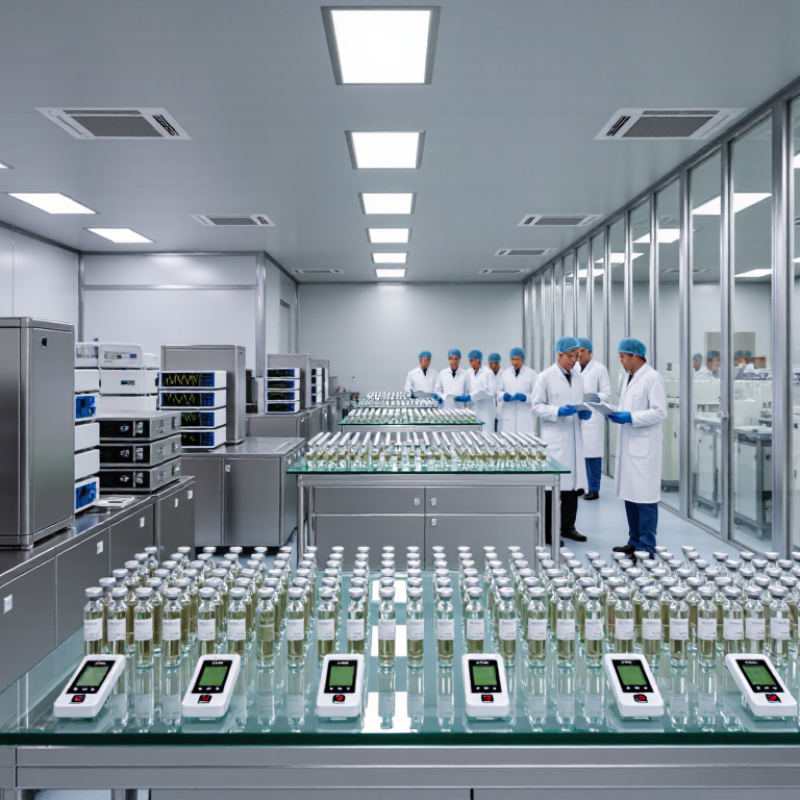
Details matter here. A temperature logger, sealed vial, and traceable batch number can reveal more than a polished brochure. Supplier audits, independent testing, and regulatory consultation may reduce avoidable risks. No directory can replace technical due diligence. That limitation deserves attention.
Some supplier information may change quickly. Production capability can also differ between research-grade and clinical-development materials. This article therefore avoids treating every company as equivalent. Instead, it offers a careful starting point for global buyers comparing China’s GLP-2 Analogues supply landscape.
What Are GLP-2 Analogues and How Are They Used?
GLP-2 analogues are engineered forms of glucagon-like peptide-2, a hormone produced in the intestine. They are designed to reproduce selected effects of natural GLP-2 more consistently. These effects may support intestinal cell growth, improve nutrient absorption, and reduce gastrointestinal secretions. They may also slow certain digestive movements. This is not a routine supplement.
In clinical practice, specialists may consider GLP-2 analogues for patients with intestinal failure, including some cases of short bowel syndrome. Treatment decisions depend on remaining bowel length, nutritional needs, medical history, and treatment goals. Patients may require intravenous nutrition, fluid monitoring, and regular laboratory testing. Possible concerns include abdominal symptoms, fluid changes, and effects on the biliary or pancreatic systems. Responses differ between patients. The biology is promising, but it is not simple.
For global buyers, supplier assessment should focus on quality evidence rather than attractive claims. A credible manufacturer should provide GMP documentation, batch records, certificates of analysis, validated testing, and clear storage instructions. Buyers should verify identity, purity, sterility controls, and stability data through independent quality procedures. Cold-chain handling may be essential, depending on the formulation. Research-grade material should not be confused with medicine intended for patient care. I would be cautious when a supplier shares perfect results but limited validation details. Small details matter.
Key Criteria for Evaluating Chinese GLP-2 Analogue Suppliers
China Top GLP-2 Analogues Suppliers for Global Buyers?
Key Criteria for Evaluating Chinese GLP-2 Analogue Suppliers
Global buyers should assess GLP-2 analogue suppliers through documented quality, not price alone. The IQVIA Institute’s Global Use of Medicines 2024 report projects worldwide medicine spending to approach 2.3 trillion US dollars by 2028. This expansion increases demand for reliable peptide manufacturing and stronger supplier qualification.
Start with GMP evidence, inspection history, and complete batch traceability. Ask for assay, purity, identity, residual solvent, endotoxin, and microbial test results. LC-MS and HPLC data should match approved specifications. A credible supplier can explain deviations clearly. Vague answers are warning signs.
Review process validation, stability data, change-control procedures, and cold-chain records. ICH Q7, Q9, and Q10 provide useful quality-management benchmarks for active pharmaceutical ingredients. The WHO Global Benchmarking Tool also supports risk-based evaluation of national regulatory systems. However, certificates alone are not enough. Audits should examine training records, raw-material controls, electronic data integrity, and retained samples. Visit the facility when practical.
Supplier experience matters, but it can be difficult to verify. Request three years of relevant production records, anonymized where necessary. Check whether the facility has handled comparable peptide complexity, not merely ordinary injectables. Confirm export documentation and destination-market requirements before contracting. A low quotation may hide weak testing, unstable supply, or costly corrective work. Good procurement is slower at the beginning. That is usually safer.
Leading Supplier Categories and Manufacturing Capabilities in China
China’s GLP-2 analogue supply base is divided into four practical categories: peptide API producers, research-grade manufacturers, contract development organizations, and sterile fill-finish facilities. Each category serves a different purchasing need. API producers focus on protected amino acids, purification, and batch consistency. Development partners add process optimization and analytical method transfer. Fill-finish sites manage aseptic operations, vial filling, and stability programs. Verify the category before comparing prices.
Industry data supports this broader peptide focus. IQVIA’s Global Use of Medicines 2024 Outlook projects worldwide medicine spending will approach 2.3 trillion dollars by 2028. However, public reports usually combine GLP-2 with wider peptide and biologic markets. That weakens product-specific estimates.
Buyers should treat headline market figures carefully. Ask for actual batch records, not only market forecasts.
Manufacturing capability matters more than catalogue length. Strong Chinese suppliers can provide GMP-aligned production, HPLC and mass-spectrometry testing, impurity profiling, endotoxin control, and cold-chain documentation. Some facilities offer kilogram-scale peptide synthesis, while others remain suitable only for early research quantities. The difference can be substantial. Review validation status, change-control procedures, deviation records, and third-party audit history. Confirm whether final release testing occurs locally or through an independent laboratory. A polished website proves little. Direct technical discussions often reveal the real manufacturing level.
Quality, Compliance, Documentation, and Export Readiness
China Top GLP-2 Analogues Suppliers for Global Buyers?
Quality, Compliance, Documentation, and Export Readiness
Selecting a China-based GLP-2 analogue supplier requires more than comparing prices. Quality should begin with controlled manufacturing, validated testing, and clear batch traceability. Buyers should request current certificates of analysis, manufacturing records, stability data, and impurity profiles. Independent laboratory verification can add confidence, especially for high-value shipments. Small details matter.
Compliance must match the destination country. A supplier should explain its quality system, facility controls, audit history, and handling procedures. Documentation should be consistent across the quotation, labels, packing list, and certificates. Export readiness also includes suitable packaging, temperature monitoring, customs information, and responsive document support. A polished PDF is not proof of a mature quality system. That weakness deserves attention.
How Global Buyers Can Compare and Select a Reliable Supplier
China Top GLP-2 Analogues Suppliers for Global Buyers?
Global buyers should compare GLP-2 analogue suppliers through documented quality, not attractive pricing alone. A reliable supplier should provide manufacturing licenses, GMP evidence, batch records, certificates of analysis, and clear product specifications. Check identity, purity, residual solvents, microbial limits, and stability data where applicable. Ask whether testing comes from qualified, independent laboratories.
Regulatory readiness matters. Suppliers should explain whether materials are intended for approved medical use, laboratory research, or another lawful purpose. Review export documents, labeling, storage conditions, and temperature-control procedures before placing an order. A practical audit can include facility photographs, quality agreements, deviation procedures, and traceability from raw materials to final packaging. Small details reveal operating discipline.
Communication is also evidence. Does the supplier answer technical questions directly? Can it explain retesting rules, shelf life, and shipment delays without vague promises? Request a small, legally compliant evaluation batch when appropriate, then verify documentation with an independent laboratory. Price is only one variable. Sometimes it distracts from weak controls. No checklist is perfect. Buyers should record concerns, compare findings across suppliers, and reconsider decisions when evidence remains incomplete.
