

Quality Mold

Top Club Steering Locks for Car Security

A steering-wheel lock adds a visible layer of resistance to everyday vehicle security. The Club Steering Lock is a familiar example, but not every model suits every car or driver. Fit, locking mechanism, materials, and ease of storage all affect whether a device will be used consistently. Small details matter. A lock that is awkward to attach may end up unused in a door pocket.

This guide looks at leading Club-style steering locks through practical criteria: compatibility, construction, handling, and clarity of product information. It also considers how quickly a driver can secure the device and whether its design is easy to recognize from outside the vehicle. Those features can support deterrence, though they cannot guarantee protection. That distinction is important.

Before choosing a lock, check the manufacturer’s fit guidance for your steering wheel and read current product specifications. Look for secure contact points, a mechanism that operates smoothly, and instructions that explain proper use. Avoid assuming that heavier always means better; weight can affect daily convenience, while fit and sound construction matter too. Fit comes first. A steering lock works best as one part of a broader routine, alongside sensible parking choices and the vehicle’s built-in security features. Some product descriptions make strong claims, but independent details may be limited. It is worth pausing there. This comparison aims to make those trade-offs easier to judge, without presenting any single device as a complete solution.
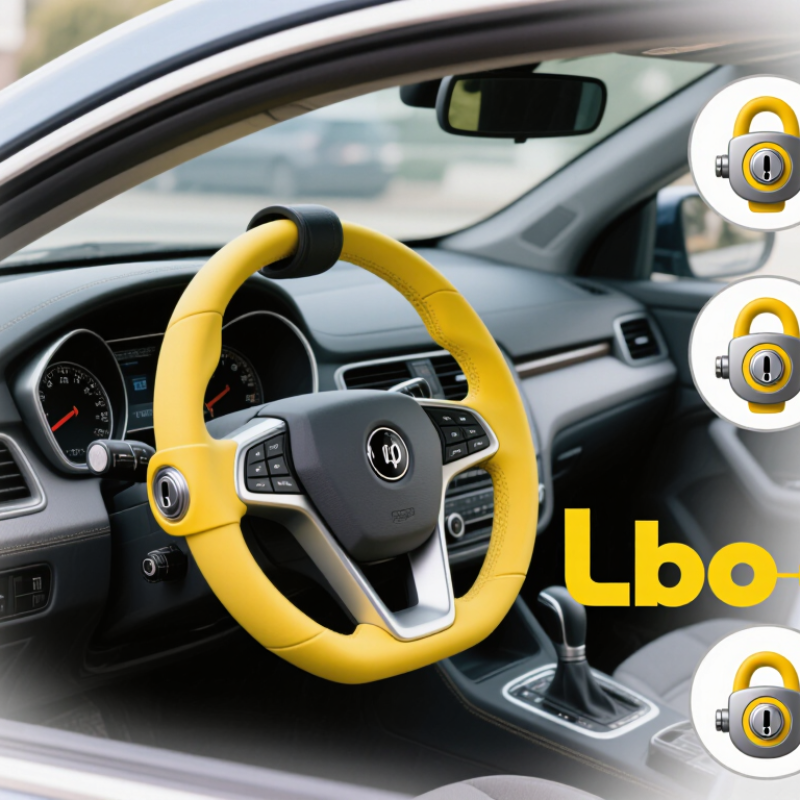
Top Club Steering Locks for Car Security

How Club Steering Wheel Locks Deter Vehicle Theft

A steering-wheel lock deters theft by adding a visible, physical obstacle. Its hardened bar spans the wheel and can prevent it from turning normally. A thief scanning a parking lot may prefer an easier target. The added delay can matter, especially when a car sits unattended on a quiet street. It is not a guarantee. The National Insurance Crime Bureau reported 1,020,729 vehicle thefts in the United States in 2023, about a 1 percent rise from 2022. That figure shows the scale of the problem, not how many thefts a steering lock prevents.

Use the lock as one layer of security, not the whole plan. Choose a model that fits your steering wheel, and check that it engages firmly without blocking your view. A loose fit may reduce its usefulness. Park in a well-lit, busy area when possible, and keep valuables out of sight. A lock can feel reassuring, but it is not a force field.

Tips: Fit the lock snugly, remove its key, and store the key separately from your car key. Check the lock periodically for wear or damage. Combine it with ordinary precautions, such as locking the doors and keeping the vehicle’s security system active.

Types and Key Features of Club-Style Locks

Club-style steering locks come in several forms. A traditional bar stretches across the steering wheel, with hooks that grip opposite sides of the rim. Its bright, visible shape can discourage casual tampering, while an adjustable model fits different wheel sizes. Check that it locks firmly without pressing against the dashboard or blocking essential controls.

Compact designs attach to one side of the wheel and are easier to store under a seat. Some models extend toward a pedal, adding another contact point, but they can be awkward in small footwells. Look for a sturdy steel body, smooth edges, and a lock cylinder that turns reliably. A heavy lock is not automatically a better fit. No lock is perfect.

Tips: Test installation while parked, and confirm the bar cannot slide off easily. Keep the key in a consistent place, not beside the lock. Inspect moving parts now and then; a stiff mechanism is easy to ignore until you need it. I’d also check wheel fit before buying, since even a well-made lock can feel loose on an unusual rim.

How to Evaluate Steering Locks for Security and Fit

A steering lock is useful only when it fits securely and is awkward to remove. Check the wheel’s diameter, rim thickness, and spoke layout before choosing one. The lock should sit firmly without pressing against the dashboard, horn, or other controls. Fit matters. If it shifts when lightly pushed, it may not provide the stable barrier you expect.

Tips: Test the lock while parked. Make sure it engages smoothly, stays visible from outside, and does not scratch the wheel. Keep the key accessible, but not in the car.

Compare the locking points and materials, not just the product’s size or weight. A solid-feeling mechanism and clear operating instructions are practical signs to look for, though appearance alone cannot prove strength. Check how the lock handles your vehicle’s steering-wheel shape; some designs fit round rims but sit poorly around bulky spokes. I once assumed a longer bar meant a better fit. It did not. Recheck the fit after installation, and treat any steering lock as one layer of security, not a guarantee.

Comparing Leading Club Steering Lock Options

Choosing a steering lock means comparing fit, visibility, handling, and resistance to tampering—not just price. The National Insurance Crime Bureau reported 1,020,729 vehicle thefts in the United States in 2023. That figure describes the risk, not how well any particular lock performs. A full-wheel bar is highly visible through the windshield, but can be awkward to store. A compact telescoping bar is easier to stow, though its fit depends on steering-wheel diameter. Check that the lock sits securely and does not obstruct airbags, controls, or driver visibility. Small details matter.

Construction differs, too. A hardened steel body and a shielded lock cylinder may offer more resistance than thin tubing or an exposed mechanism, but product claims need independent testing to verify them. NHTSA estimated vehicle theft losses exceeded $8 billion in 2022. A steering lock is a visible deterrent, not a guarantee; it works best alongside sensible parking and the vehicle’s built-in security. Compare keyed and combination mechanisms for ease of use, then test installation before relying on one. Some locks feel reassuring in a showroom and prove clumsy beside a cold curb. That is worth noticing. Check warranty terms and published test evidence, and treat unsupported “theft-proof” claims cautiously.

Top Club Steering Locks for Car Security

A design-level comparison of common steering-lock types

This chart compares typical design features, not tested security performance. A value of 1 means the design generally targets that control point; 0 means it does not. Specific products can differ, and no steering lock guarantees theft prevention.

Proper Installation, Everyday Use, and Security Limitations

A steering-wheel lock is most useful when fitted snugly and used consistently. Check that its hooks grip the wheel securely, without pressing buttons or damaging the trim. Extend the bar only as instructed, then tug gently to confirm it is seated. Keep the key somewhere accessible, but not inside the vehicle. A lock that is left in the footwell offers no protection.

NHTSA recorded 1,008,756 vehicle thefts in the United States in 2022. That figure shows the scale of the problem; it does not measure how well steering locks work. A bright, visible lock may discourage opportunistic theft, but it cannot guarantee prevention. A determined thief may bypass it, and the lock does not protect windows, valuables, or other parts of the vehicle. Pair it with sensible habits, such as locking doors and parking in a well-lit area. The extra step can feel tedious. That matters, because tools only help when used.

Tips: Practice fitting the lock at home, in daylight. Check its fit periodically, especially after changing steering-wheel covers. If it blocks your view or interferes with driving controls, remove it before starting the car.