

Quality Mold

What Is a UV Blocking Transparent Umbrella?

A UV blocking transparent umbrella combines a clear canopy with materials designed to reduce ultraviolet exposure. It lets you see the street, traffic signals, and approaching pedestrians while offering shade above your head. The canopy may look like ordinary clear plastic, but appearance alone cannot confirm how much UV radiation it blocks. Not automatically.

UV Blocking Transparent Umbrellas can be useful when rain and strong sunlight arrive together. Picture walking along a wet sidewalk: raindrops bead on the canopy, while its transparent surface keeps your view open. Protection depends on the umbrella’s fabric or coating, construction, and verified product specifications. Check the manufacturer’s stated UV performance rather than relying on words like “sun protection” or on the canopy’s color. A clear canopy may also feel warm in direct sunlight, so comfort can vary with heat, airflow, and how long you carry it.

This guide explains how these umbrellas work, what their specifications can—and cannot—tell you, and which practical details deserve attention. Look at canopy size, handle comfort, wind resistance, and care instructions alongside UV claims. A larger canopy may cover more of your shoulders, though wind can make it harder to manage. That trade-off matters. No umbrella replaces sensible sun habits, especially during prolonged outdoor exposure. Transparent designs have limits, and product descriptions are not always easy to compare. A careful choice starts with clear evidence, not just a polished canopy.
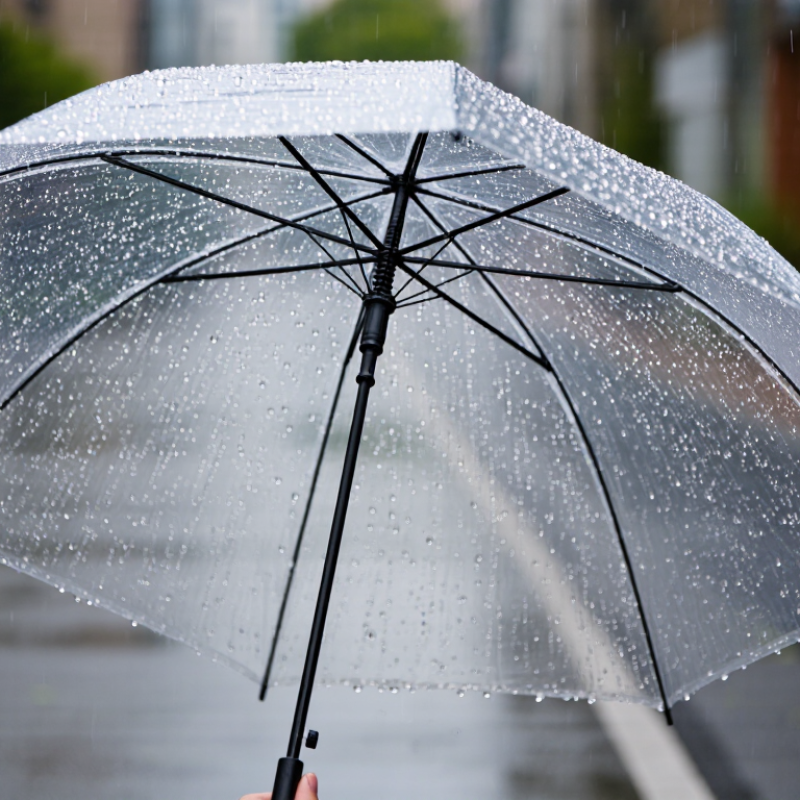
What Is a UV Blocking Transparent Umbrella?

What Defines a UV-Blocking Transparent Umbrella?

A UV-blocking transparent umbrella is designed to let daylight through while reducing ultraviolet exposure. Its clear canopy may use a UV-absorbing layer or treatment, rather than relying on color or thickness alone. Transparency describes visible light, not how much UV reaches the skin.

Look for specific, test-based protection information, such as a UPF rating, and check whether it applies to the canopy material. A number is more useful than vague wording like “sun protection,” though the rating does not tell the whole story. Coverage matters too. On a bright afternoon, sunlight can reach exposed skin from the side, and a breeze may tilt the canopy away from your shoulders.

The material should stay clear enough for comfortable visibility, with seams and edges that feel securely finished. Hold it toward the sky and inspect the surface for cloudy patches or uneven coating. Still, appearance cannot confirm UV performance. I find that easy to forget when a canopy looks reassuringly solid. An umbrella also cannot protect skin left uncovered, and heat may build beneath it on still days. Pair it with other sun-protective habits, especially during long periods outdoors.

What Is a UV-Blocking Transparent Umbrella? — What Defines a UV-Blocking Transparent Umbrella?

Feature What Defines It What to Look For
Transparent canopy A clear or lightly tinted canopy lets visible light pass through, helping the user see their surroundings while walking. Transparency describes visible-light transmission; it does not, by itself, indicate UV protection.
UV-blocking treatment or material The canopy material may include UV-absorbing additives or a UV-protective coating designed to reduce ultraviolet transmission. Check the product’s stated UV performance and test information. Untreated clear plastic should not be assumed to block UV effectively.
UV-A and UV-B coverage UV-A and UV-B are different parts of the ultraviolet spectrum. A meaningful protection claim should address both, rather than referring only to UV protection in general. Look for clear information about the tested UV range or a recognized rating, where available.
UPF rating Ultraviolet Protection Factor (UPF) rates how much erythemally weighted UV passes through a material. For example, UPF 50+ means no more than about 1/50, or 2%, passes through under the test conditions. Confirm that the rating applies to the canopy material and check whether the maker provides test details. Results can depend on the material and testing method.
Visible light versus ultraviolet Visible light and UV are different parts of the electromagnetic spectrum. A canopy can look clear while reducing UV, but appearance alone cannot confirm its performance. Use a stated rating or test result rather than judging protection by how transparent or dark the canopy looks.
Coverage and angle An umbrella can shade the head and upper body from direct sunlight, but UV may still reach the user from the sides or by reflection from nearby surfaces. Choose a canopy that provides suitable coverage and use other sun-protection measures when needed.
Weather protection Water resistance and UV protection are separate properties. A canopy may repel rain without having a verified UV-blocking rating. Check rain-resistance and UV-performance claims separately.
Care and condition Wear, scratches, damage, or changes to a coating may affect a canopy’s condition and could influence its performance. Follow care instructions and replace a damaged umbrella; do not assume an old or visibly worn canopy retains its original rating.

In brief: A UV-blocking transparent umbrella combines a see-through canopy with a stated, tested ability to reduce UV transmission. Transparency alone is not proof of UV protection.

How Its Canopy Filters Ultraviolet Radiation

What Is a UV Blocking Transparent Umbrella?

How Its Canopy Filters Ultraviolet Radiation

A clear canopy can admit daylight while reducing ultraviolet exposure; transparency alone does not prove protection. UV-blocking models use polymer films or coatings that absorb, reflect, or scatter some UVA and UVB before they reach the skin. The effect depends on the material, thickness, treatment, and canopy construction. Tiny gaps matter, too. A bright view through the canopy is not a UV test.

The World Health Organization’s Global Solar UV Index: A Practical Guide advises sun protection when the UV Index reaches 3 or higher. Its guidance also notes that shade cannot eliminate exposure, because UV can arrive from scattered sky radiation and reflective surroundings.

For a measurable benchmark, the Australian Radiation Protection and Nuclear Safety Agency explains that UPF 50+ fabric transmits less than 2% of UV under its test conditions. That clothing rating should not automatically be assigned to an umbrella. Look for a canopy-specific UV-transmission test or clearly stated protection rating.

On a sunny walk, the canopy may soften glare, while exposed legs and reflected light remain easy to overlook.

Materials and Coatings That Preserve Transparency

A UV-blocking transparent umbrella starts with a clear canopy, often made from PVC or TPU film. The challenge is adding protection without making the material cloudy. Manufacturers may blend UV absorbers into the film or apply a thin coating that reduces ultraviolet transmission. The material can still look clear. But clarity alone says little about UV performance.

Look for test results, not just a dark handle or a shaded feel. AATCC TM183 measures ultraviolet transmission through fabrics and related materials, while ASTM D6603 describes labeling for UV-protective textiles. These methods offer useful benchmarks, though a report should identify the exact canopy material tested. The World Health Organization’s Global Solar UV Index guidance recommends sun protection at UVI 3 and above. That threshold matters even on bright, overcast days.

Coatings can wear, and clear films may yellow or scratch after repeated folding. Small details matter: check the seams, hold the canopy toward daylight, and inspect for haze or peeling. Clear does not mean neutral. A transparent umbrella may block much of the UV while still transmitting visible light, but performance varies by formulation and age. I would treat a product’s protection claim cautiously unless its test report names the method and results.

Factors That Affect UV Protection Performance

What Is a UV Blocking Transparent Umbrella?
Factors That Affect UV Protection Performance

A transparent canopy can look protective without blocking much ultraviolet radiation. Clear appearance describes visible light, not UVA or UVB transmission. The key factors are the canopy material, its thickness, and any UV-absorbing coating. Coating coverage matters too. Thin spots, seams, scratches, or wear may create weaker areas. A glance at the canopy cannot confirm its protection.

Ask for a canopy-specific UV test result, ideally reporting both UVA and UVB performance. UPF offers a useful reference, though AS/NZS 4399:2017 is a clothing standard, not an umbrella certification. It classifies UPF 40–50+ as excellent; UPF 40 corresponds to about 2.5% UV transmission under test conditions. That is a lab result, not a promise of identical protection outdoors. I’d check the test method and whether the whole canopy was assessed.

Shade also depends on the sun’s angle and nearby reflections. The World Health Organization notes that light cloud can still allow up to 80% of solar UV through. UV may reach skin from the sides, especially on bright pavement or near water. An umbrella helps, but it leaves faces, hands, and legs exposed as you move. Small detail, big difference.

What Is a UV-Blocking Transparent Umbrella?

A transparent umbrella is UV-blocking when its canopy limits ultraviolet radiation passing through it. Look for a tested UPF rating: transparency alone does not indicate UV protection.

How to read this chart: UPF 15, 25, and 40 are the entry points for the commonly used “Good,” “Very Good,” and “Excellent” textile protection categories. The percentages are calculated as 100 × (1 − 1/UPF); they are not test results for a specific umbrella. Canopy material, UV-absorbing coatings, weave, coverage, and wear can affect real-world protection.

Common Uses and Practical Limitations

What Is a UV Blocking Transparent Umbrella?
Common Uses and Practical Limitations

A UV blocking transparent umbrella can be useful on bright, changeable days. Its clear canopy keeps the view open while shielding the head and shoulders from direct sun and light rain. That can help during short walks, outdoor markets, or a commute when carrying separate rain and sun gear feels inconvenient. It is also handy when you need to see traffic or keep an eye on children nearby. Small detail, but useful.

Transparency alone does not prove strong UV protection. Check the maker’s stated UV performance and testing details, because canopy materials and coatings vary. An umbrella also leaves your arms, legs, and face exposed from the sides. UV can reach you from reflective surfaces, too. And shade does not always feel cool: a clear canopy may block some radiation without stopping heat from building underneath. On a windy afternoon, the canopy can tilt or expose you to sunlight. It is easy to overestimate what one umbrella can do. Pairing it with suitable clothing and sunscreen may make sense for longer periods outdoors, especially when the sun is high. Even then, protection depends on how consistently you use them.