

Quality Mold

Why Choose a Memory Foam Core Pillow Filling Machine?

Choosing a Memory Foam Core Pillow Filling Machine can improve consistency when producing pillows at scale. It meters foam pieces into covers or forming stations, reducing the guesswork of hand filling. A well-matched system should handle the foam size and density used in your product. These details matter. Uneven feed can create lumps, while excessive compression may change the pillow’s feel.

Before choosing equipment, review the full production process. Check the hopper opening, feeding method, filling range, controls, and cleaning access. Ask the supplier to run a sample using your actual foam and pillow design. Watch how evenly the material moves, and note whether operators can adjust settings without stopping the line. Also inspect guards, dust management, and routine maintenance requirements. Small details count.

A faster cycle alone does not prove better performance. Output depends on foam condition, cover design, operator training, and line layout. A machine that suits one factory may not suit another. This is easy to overlook. Request clear specifications and confirm what support is available after installation. If possible, compare finished pillows by weight, shape, and comfort after filling. Results can vary, so record them rather than relying on a quick impression. The right choice is the one that fits your process reliably, not simply the one with the largest capacity. That sounds obvious, but production pressure can make it easy to forget.
Why Choose a Memory Foam Core Pillow Filling Machine?

What Is a Memory Foam Core Pillow Filling Machine?

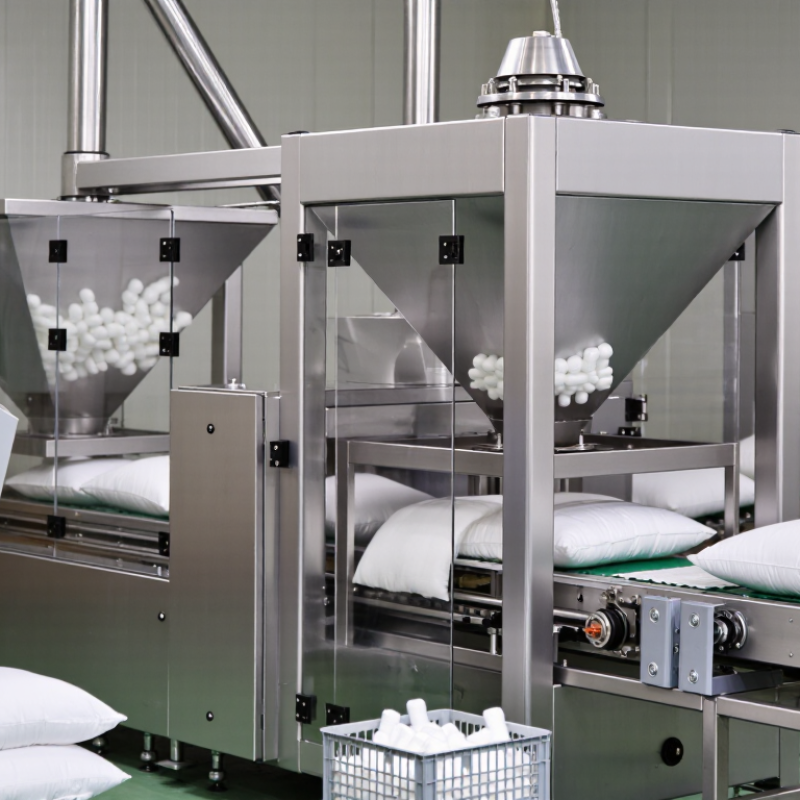
A memory foam core pillow filling machine is equipment used to prepare and place memory foam pieces inside pillow covers. Depending on its design, it may loosen or shred foam, convey the pieces, and guide them through a filling nozzle. Some systems combine these steps; others work with separately prepared foam. The goal is a controlled fill, not simply a fast one. That matters.

Operators can adjust feed speed and filling volume to suit different pillow sizes and foam textures. Even small changes in piece size can affect the pillow’s feel and shape. A machine may reduce repetitive hand filling, but it still needs attentive setup. Foam can bridge in a hopper or feed unevenly, especially when pieces vary. The first trial may require adjustments. That is normal, though easy to overlook. Checking the filled cover’s weight, corners, and firmness helps catch inconsistent results before a full run. Operators should also follow the equipment maker’s instructions for cleaning and guarding moving parts, since leftover foam can interfere with feeding.

How Does the Machine Process Memory Foam?

A memory foam core pillow filling machine usually begins by accepting pre-cut foam pieces through a hopper. A feeder moves them toward a cutting or opening section, where larger chunks may be reduced to a more consistent size. The exact setup depends on the foam and machine design. Pieces that are too large can bunch inside the pillow; very fine pieces may feel dense or uneven. Small details matter.

After opening, the foam travels through a controlled feed system to the filling nozzle. Operators set the fill amount, position an empty pillow shell, and guide foam into its opening. Some systems use weighing controls to help keep fills consistent, while others rely more on timed feeding and operator checks. Not perfectly uniform. Foam can vary in firmness and shape, so a setting that works for one batch may need adjustment for another. A practical check is to weigh sample pillows and feel for lumps near the corners. Keep the feed path clear, too; compressed scraps can interrupt flow and create uneven fills. A machine helps repeat the process, but it cannot replace careful inspection of the finished pillow.

Why Choose a Memory Foam Core Pillow Filling Machine? — How Does the Machine Process Memory Foam?

Process Stage Material or Input Machine Operation Output and Quality Check Why It Matters
Foam preparation Suitable memory foam pieces or shredded foam, selected according to the pillow design The operator loads prepared foam into the machine’s feed area. Some production lines use a separate foam shredder when smaller pieces are required. Foam is ready for controlled feeding. Check that material is appropriate for the product and free from unwanted debris. Consistent, suitable feed material helps support even filling and reliable operation.
Feeding and transfer Prepared foam pieces A feed mechanism moves the foam toward the filling section. Depending on the machine design, transfer may be mechanical or assisted by airflow. Foam reaches the filling outlet without excessive interruptions or blockages. Controlled feeding can reduce manual handling and help maintain a steady production flow.
Filling control Foam and an empty pillow cover or inner casing The operator positions the opening at the filling nozzle. The machine feeds foam into the cover; the fill quantity is controlled by the machine settings and operating method. The cover is filled to the intended amount. Check fill weight or volume against the product specification. Repeatable filling helps reduce variation between pillows and supports production planning.
Settling and distribution Recently filled pillow The foam is allowed to settle and distribute within the casing. The operator may adjust or redistribute the filling where the product design requires it. Check the pillow’s shape, firmness, and distribution for the required design. Even distribution contributes to a more consistent finished pillow.
Closure and inspection Filled pillow cover The cover opening is closed using the appropriate sewing or sealing method, usually as a separate operation. Inspect the closure, cover condition, and fill consistency before packing. A final check helps identify underfilling, uneven filling, or closure defects.
Equipment selection Target pillow size, foam form, output needs, and available workspace Compare machine feed and filling arrangements, adjustment options, operator access, cleaning requirements, and compatibility with the chosen foam. Select equipment based on the actual product and production process; confirm specifications with the supplier before purchase. A suitable machine can improve filling consistency and reduce repetitive manual work without assuming one configuration fits every foam or pillow.

What Benefits Does It Offer Pillow Manufacturers?

Why Choose a Memory Foam Core Pillow Filling Machine?
What Benefits Does It Offer Pillow Manufacturers?

For pillow manufacturers, a memory foam core filling machine can make output more repeatable. It meters shredded foam into each casing, helping reduce pillows that feel noticeably fuller or flatter. Operators can adjust fill volume for different sizes and firmness targets. That matters. More consistent filling can simplify quality checks and reduce corrective handling on the line.

Automation may also cut repetitive scooping and weighing, freeing staff for casing inspection and packing. A controlled feed can help limit spills around the filling station, though foam shape, static, and dust still affect performance. Less rework. With stable settings, manufacturers can plan batches more predictably and compare material use between shifts. The machine is not a cure-all; poor foam preparation or uneven feeding can still create lumps and slow production.

Tips: Test the actual foam mix before setting production speeds. Record fill weights, pillow dimensions, and operator adjustments during trials. Check cleaning access and feed-rate controls; small details matter.

Why Choose a Memory Foam Core Pillow Filling Machine?

Typical U.S. pillow dimensions vary by size. A filling system configured for adjustable dosing can help manufacturers match fill quantities to different product formats and maintain a consistent production process.

Dimensions shown are common examples; actual pillow sizes vary by manufacturer and product.

Where Are Memory Foam Core Filling Machines Used?

Memory foam core filling machines are used wherever pillow shells need consistent foam inserts at production scale. Bedding factories use them for bed pillows, contour pillows, and replacement cores. Some lines handle molded pieces, while others feed shredded memory foam through a controlled filling outlet. The machine helps operators direct material into narrow shell openings without repeatedly packing it by hand. Small details matter. A loose seam or uneven fill can affect shape, comfort, and downstream sewing.

Home-textile workshops and contract manufacturers also use these systems for cushions, travel pillows, and selected furniture components. Hospitality suppliers may run standard pillow sizes in larger batches, while custom shops switch between dimensions and fill weights. In automotive and ergonomic-product manufacturing, foam cores can be used in headrests or support cushions, depending on product design. These are not automatically medical devices; intended use and required testing vary. The awkward part is changeover. Not every setup fits. A buyer should check whether the machine accepts the actual foam form, shell opening, and target fill range.

What Factors Matter When Choosing a Machine?

Why Choose a Memory Foam Core Pillow Filling Machine?

Choosing a machine starts with the foam, not the brochure. Shredded memory foam varies in size, density, and springiness, so ask whether the feed system handles your actual material without frequent bridging. Bring a representative sample for a trial. Watch the hopper, outlet, and pillow shell during a full cycle. Does filling stay even from corner to corner? Can operators adjust the amount without stopping production? Small inconsistencies matter when pillows are packed and shipped.

Capacity is another key factor, but compare realistic output rather than a headline figure. Check how quickly the machine fills your target pillow sizes and how much time changeovers require. Easy access to the hopper and simple cleanout points can reduce downtime between foam types. Dust control, guarded moving parts, and clear operating instructions also deserve attention. Ask about routine maintenance, replacement components, and the training included. Details count. A compact machine may suit a small workshop, while a busy line may need automated feeding and controls. It is easy to focus on speed and overlook cleanup; that can be an expensive mistake. Test the machine under ordinary working conditions, and note any awkward steps operators must repeat.