

Why Choose an Aerosol Can Filler for Your Business?
An Aerosol Can Filler can help a business improve filling consistency, manage output, and reduce repetitive manual work. The right system depends on the product, container format, target production rate, and available floor space. A compact semi-automatic machine may suit a growing workshop, while a higher-speed line can support larger orders. Fit matters.
An illustrative industry perspective from fictional aerosol filling specialist Elena Brooks: “A filling machine earns its place when it delivers repeatable results without making everyday operation harder.” Treat that as a practical principle, not a verified quotation from a real person. During a plant visit, examine the filling head, controls, changeover process, and cleaning access. Ask how operators handle routine adjustments and what support is available when a component needs attention. Small details count.
A machine’s advertised speed alone tells little. Product characteristics, container handling, operator training, and maintenance can all affect real output. A filler that looks efficient in a demonstration may behave differently during a full shift. That deserves scrutiny. Buyers should compare equipment against documented production needs and request clear specifications before making a decision. No single configuration suits every business. This guide explores where an Aerosol Can Filler can add value, which trade-offs deserve attention, and how to assess a system realistically. Some assumptions may need revisiting once actual production data is available.
What an Aerosol Can Filler Is and How It Works
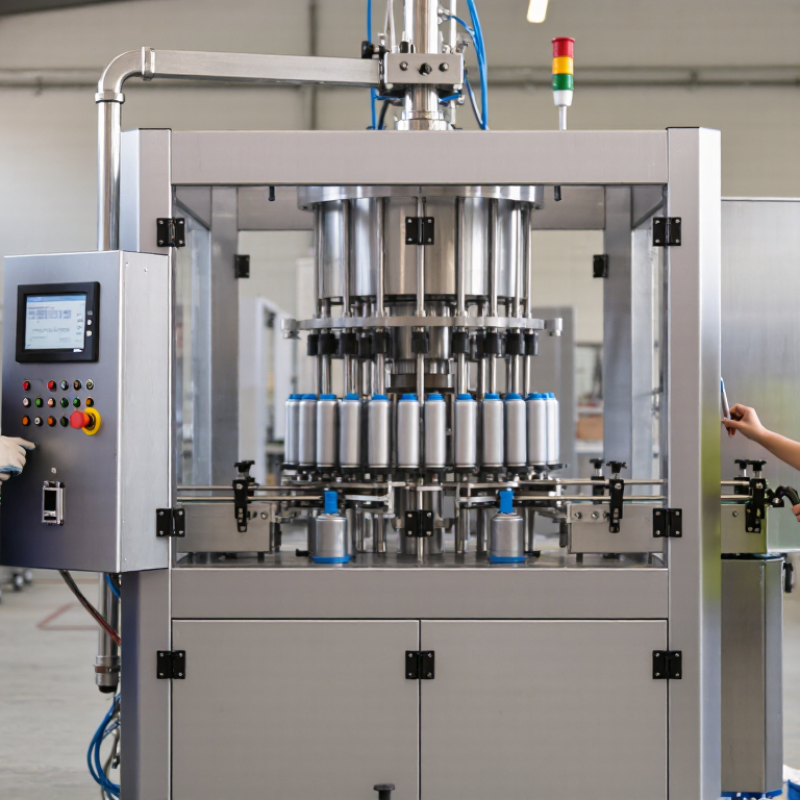
An aerosol can filler is a production system that doses a product into containers, fits and crimps valves, and adds the propellant. Depending on the machine design, filling may happen before or through the valve. The line then checks fill weight and container integrity, and may fit actuators and caps. Small details matter.
A typical line uses indexed or rotary stations. Empty cans arrive upright, are filled to a set quantity, and move to valve placement and crimping. Sensors can flag missing valves or inconsistent weights; downstream checks help identify leaks. The European Aerosol Federation’s 2022 industry statistics reported about 5.3 billion aerosol units produced in Europe. That figure shows the scale of the sector, not the output a single filler can achieve. Real capacity depends on product viscosity, can size, changeover time, and inspection requirements.
For a business, the useful question is how the filler handles its actual product and daily schedule. A tabletop unit may suit small batches, while an automated line can reduce repetitive handling at higher volumes. Still, automation is not a magic fix. Operators need training, routine maintenance, and clear quality checks. A line that runs quickly but wastes product or struggles with changeovers may not be the right fit. Before choosing equipment, compare trial results with your own fill targets and production conditions.
Which Products and Industries Use Aerosol Filling
Aerosol filling serves a wider range of products than many businesses expect. Personal-care makers use it for hairsprays, deodorants, and shaving foams. Household product companies fill cans with glass cleaners, furniture polish, and fabric fresheners. The spray format can offer quick, even coverage. Small details matter.
Automotive suppliers may package tire-care products, lubricants, and surface cleaners. Paint and coating manufacturers use aerosol cans for touch-up finishes and primers. Some food producers also fill cooking oils or whipped toppings, where consistent dispensing and suitable packaging are essential. Each product behaves differently. A thick foam needs a different valve and filling setup than a fine mist.
Choosing equipment depends on the formula, container size, expected output, and filling method. A manufacturer should check material compatibility and test spray patterns, leakage, and can performance before scaling production. That sounds obvious, yet it is easy to overlook during equipment planning. Product changes can affect fill accuracy and consumer use. Not every product belongs in an aerosol can, and a promising first test may not predict performance across a full production run.
How an Aerosol Can Filler Supports Business Efficiency
An aerosol can filler can make production more consistent when its capacity matches the business’s actual order volume. A steady feed moves empty cans through filling and inspection with fewer pauses. Operators can spend less time repeating manual steps and more time monitoring materials, quality, and workflow. Even a modest reduction in handling can ease pressure during busy shifts.
Small details matter.
Fill control, valve placement, and seal quality all affect the finished can. A well-adjusted machine helps keep fill weights within the business’s established specifications, while routine checks can reveal drift early. Clear operating instructions and practical staff training also support reliable output. Faster production is useful, but only when quality checks keep pace.
Efficiency depends on more than the machine itself. Changeovers, cleaning, maintenance access, and the availability of trained operators shape how much useful production time a filler delivers. A compact setup may suit a small line, while higher-volume operations may need more automation. There is a trade-off: added capacity can bring added setup and maintenance demands. Reviewing real order patterns before choosing equipment can prevent an expensive mismatch. And plans should be revisited as demand changes.
What to Consider When Selecting Filling Equipment
Selecting aerosol can filling equipment starts with product and package compatibility. Confirm can dimensions, valve type, target fill weight, and whether the system handles liquid filling, valve crimping, and propellant charging. Ask for documented accuracy and test results at your intended speed. A line that runs quickly but leaves inconsistent weights can create rework. Check guards, ventilation connections, and emergency stops; safe operation also depends on trained operators.
Tips: Request a trial using your own cans and formulation. Measure fill weights across several runs, inspect crimps, and time changeovers. Ask how often seals and nozzles need replacement. A neat demonstration is useful, but not enough.
Estimate real output, not just the advertised cycle rate. Include loading, inspection, cleaning, and downtime in your calculation. For a smaller operation, a simpler semi-automatic filler may be easier to maintain. A high-volume line may justify automation, provided technicians can support it. Review spare-part availability, operator training, and service response before purchase. One detail is easy to miss: leave safe access around the machine. Requirements vary by product and site, so have qualified staff verify the setup before commissioning. There may be trade-offs. That's normal.
How to Assess Costs, Safety, and Production Needs
Why Choose an Aerosol Can Filler for Your Business?
Assess the full operating cost, not just the machine price. Include installation, compressed air, ventilation, routine maintenance, operator training, and rejected cans. A filler that runs quickly may still be costly if changeovers take hours or small batches leave it idle. Measure your real demand by shift, including seasonal peaks. Check whether the line can handle your can sizes, valve types, and planned product range.
Safety needs equal attention. The U.S. Bureau of Labor Statistics reported a 2.8 total recordable injury and illness rate per 100 full-time workers in manufacturing in 2023. That figure is not specific to aerosol filling, but it reinforces the value of guarding, clear procedures, and regular training. Ask suppliers how the system supports ventilation, leak detection, emergency stops, and safe maintenance. Have qualified safety and engineering staff review the site design against applicable codes. Details matter.
Production figures should come from trials, not brochure speeds. Track cans per minute, changeover time, fill-weight variation, and rejects across a representative run. Even a short trial can expose awkward valve loading or frequent stoppages. Not always. A smaller, partly manual line may suit uncertain demand better than a high-speed system. Compare its labor and flexibility costs with the larger line’s output, service needs, and floor-space demands before committing.
