

Why Choose City Plaza Fountains for Your Project?
Choosing the right fountain partner can shape a public space for decades. City Plaza Fountains offers a practical approach to projects that must balance beauty, safety, engineering, and maintenance. A successful fountain is more than water rising through attractive stone. It needs reliable pumps, carefully planned drainage, safe electrical systems, and controls that staff can operate confidently.
Experience becomes visible in small details. Water should move evenly across each basin. Splash zones should protect nearby paving from constant overspray. Access panels should allow technicians to inspect equipment without disrupting public areas. Lighting should remain clear at night, while avoiding glare for pedestrians and nearby drivers. These choices support a cleaner, safer, and more welcoming plaza.
Details matter.
City Plaza Fountains can help project teams consider site conditions before construction begins. Local climate, water quality, foot traffic, accessibility, and cleaning routines all affect long-term performance. A design that works in a sheltered courtyard may fail in a windy civic square. That difference deserves attention. It is also important to establish realistic budgets, documented maintenance schedules, and responsive service expectations from the beginning.
No fountain is perfect on paper. Unexpected staining, seasonal shutdowns, or changing public use may still require adjustments. Honest planning leaves room for those realities. By combining design judgment with technical coordination and dependable aftercare, City Plaza Fountains can support a project that looks impressive on opening day and remains manageable years later. The strongest choice is not always the most dramatic one. It is the one that performs consistently, serves its community, and earns trust over time.
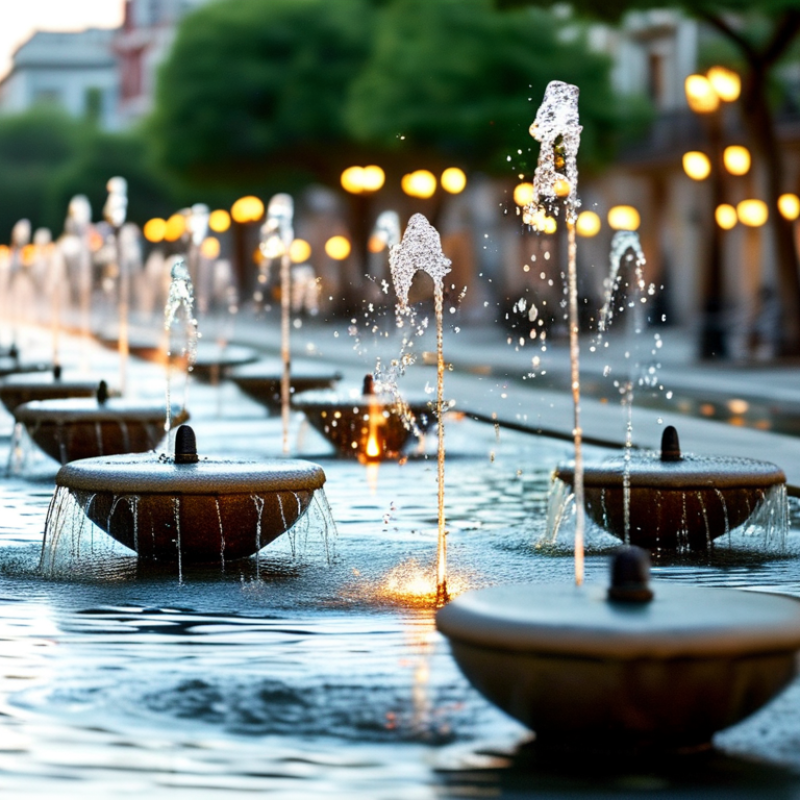
Project Goals and Public-Space Requirements
Public fountains should serve people before they serve photographs. A successful plaza feature begins with clear project goals, not decorative shapes. Designers must define whether the fountain will cool visitors, create a landmark, support events, or improve daily movement. Each purpose changes the basin size, spray height, lighting, and control system.
Public-space requirements deserve equal attention. Paved routes should remain wide, dry, and accessible for wheelchairs, strollers, and emergency teams. Slip-resistant surfaces matter near every splash zone.
Seating should face the water without blocking pedestrian flow. Quiet circulation needs protection from pumps, speakers, and crowded gathering points. These details often determine whether a fountain feels welcoming or inconvenient.
Durability is practical, not glamorous. A professional plan reviews filtration, drainage, water treatment, energy demand, and winter protection before construction begins. Local regulations and maintenance access must guide the layout.
Operators also need simple controls and safe shutdown procedures. We have seen attractive concepts become difficult to manage because technicians could not reach essential equipment. That mistake is easy to overlook. It deserves honest review. A strong proposal uses site measurements, public feedback, and tested materials. It also leaves room for adjustment when real behavior differs from early predictions.
Design Features of City Plaza Fountains
City plaza fountains can transform an open space into a lively civic destination. Their design must serve people, not only provide visual movement. In project reviews, I look closely at basin proportions, water depth, and sightlines from nearby streets. A shallow, wide basin often feels safer and more welcoming. It also reflects surrounding buildings like a moving mirror.
Clear LED lighting can shape the fountain after sunset. Warm white tones usually support calm public spaces. Color-changing effects may attract attention, but they can quickly feel distracting.
Water jets should be arranged with purpose. Layered arcs can create rhythm, while vertical streams add height without blocking views.
Programmable controls allow different scenes for daily use, festivals, and maintenance periods. However, complex programming needs careful testing. A beautiful sequence can become unreliable when sensors, pumps, or wind conditions change.
This detail is easy to overlook. Drainage channels, non-slip paving, and accessible edges deserve equal attention. Visitors should move comfortably around the fountain, including children, older adults, and wheelchair users.
Durable stone, corrosion-resistant fittings, and concealed service access can reduce long-term repairs. Some designs still place equipment too far from maintenance points. That choice may look clean at first, but it can increase labor and downtime later.
Careful mock-ups and water-flow trials often reveal problems before construction begins.
Benefits for Visitors, Communities, and Businesses
Why Choose City Plaza Fountains for Your Project?
Benefits for Visitors, Communities, and Businesses
A well-designed city plaza fountain gives visitors a reason to pause. Water movement, soft sound, and shaded seating can make a busy space feel calmer. Families may stay longer, while older visitors gain a comfortable place to rest. Evening lighting can also improve the atmosphere without overwhelming nearby buildings.
For communities, fountains can support social connection and local identity. A central water feature becomes a visible meeting point for markets, performances, and seasonal events. Designers should consider accessibility, safe walking routes, and clear sightlines. Easy-to-reach controls and durable surfaces help maintenance teams work safely. Local climate matters too. Wind, heat, and water availability can change the design requirements.
Businesses may benefit from increased foot traffic around an inviting public space. Visitors who stay longer often notice nearby cafés, shops, and services. However, a fountain alone cannot guarantee commercial growth. Poor drainage, excessive noise, or frequent repairs may create frustration. Professional planning should include water treatment, energy use, cleaning schedules, and long-term operating costs. The best results come from regular observation after opening. Designers may discover that people prefer quieter seating areas than expected. Small adjustments can make the plaza more useful for everyone.
Installation, Safety, and Maintenance Considerations
Why Choose City Plaza Fountains for Your Project?
A successful plaza fountain begins with the site, not the feature list. Engineers should review soil conditions, drainage paths, wind exposure, and underground utilities. Pump capacity must match basin volume, nozzle height, and expected water loss. Small errors can create weak displays or excessive operating costs. A qualified contractor should also verify electrical connections and local safety requirements before construction begins.
Safety needs attention during crowded public events. Slip-resistant paving helps reduce falls around splash zones. Clearly marked edges can guide children and visitors away from restricted equipment. Water depth, lighting, access covers, and emergency shutoffs deserve careful review. I have seen beautiful designs become difficult to maintain because service panels were placed behind fixed stonework. That mistake is avoidable, but it is often noticed too late.
Maintenance should be planned into the original layout. Technicians need safe access to pumps, filters, valves, and control systems. Regular water testing helps manage clarity and hygiene. Debris should be removed before it blocks suction points or damages equipment. Seasonal inspections can reveal cracked seals, loose fittings, and unusual pump noise. Keep written service records. They expose repeated problems.
A quieter pump is not always a healthy pump. Performance can decline gradually, without obvious warning. Resident feedback may also reveal spray drift or nighttime glare that inspections miss. Designing for maintenance, safety, and real user experience makes the fountain more dependable.
Why Choose City Plaza Fountains for Your Project?
Safe and maintainable fountain planning depends on measurable water-quality controls. The chart shows reference ranges used for public aquatic venues: free chlorine of 1–3 ppm and pH of 7.0–7.8. These values are planning references, not a substitute for local regulations or a project-specific water-treatment design.
References: CDC Healthy Swimming · U.S. Access Board ADA Standards
Evaluating Costs, Sustainability, and Long-Term Value
City plaza fountains can create a strong public focal point, but appearance should not guide the decision alone. Project teams should compare purchase costs, installation work, water treatment, electricity, and yearly maintenance. A lower initial bid may hide expensive pump repairs or difficult access beneath the basin. Detailed specifications and supplier warranties improve cost reliability.
Sustainability affects long-term value. Variable-speed pumps can reduce energy use during quieter hours. Filtration systems can limit water replacement and keep surfaces clearer. Durable stone, stainless steel, and sealed electrical components usually withstand heavy public use. Designers should also consider local weather, splash control, drainage, and safe maintenance access. Real operating data is more useful than broad efficiency claims. No forecast is perfect. A neglected maintenance schedule can weaken even a well-designed fountain.
Tips: Request a five-year operating estimate before approval. Include cleaning, pump servicing, lighting, water treatment, and seasonal shutdowns. Ask for maintenance records from comparable installations. Test the sound level and splash pattern on site, if possible. Leave room for practical changes; the first design may not suit real pedestrian traffic.
