

Quality Mold

Why Choose Reliable Vape Batteries for Global Sourcing?

Why Choose Reliable Vape Batteries for Global Sourcing?

Reliable Vape Batteries are not simply small power cells. They influence product safety, device performance, shipping stability, and customer trust. A weak cell may heat quickly, lose capacity, or fail during repeated use. Those details matter when products cross borders and face different storage conditions.

Mooch, a respected battery safety educator and reviewer, states, “Never carry a loose battery in your pocket.” This simple warning reflects a wider sourcing principle: battery handling must be treated as a technical responsibility. Experienced suppliers should provide traceable production records, consistent specifications, protective packaging, and clear testing documentation. Buyers should also review applicable requirements, such as UN 38.3 transport testing and relevant IEC standards. Requirements vary by market. Check them carefully.

Reliability is visible in small moments. A terminal cover stays secure. A label remains readable after shipment. A batch performs consistently after several charging cycles. These details reduce returns and support safer operations. They also help importers communicate honestly with distributors and end users. A perfect supply chain is unlikely. I may be overly cautious. Still, unclear chemistry, missing test reports, or unusually low prices deserve serious questions. Global sourcing rewards patience, not guesses. Choosing dependable Vape Batteries means selecting evidence, traceability, and responsible manufacturing over attractive promises. That choice can protect product quality, strengthen long-term partnerships, and create a more dependable supply chain.
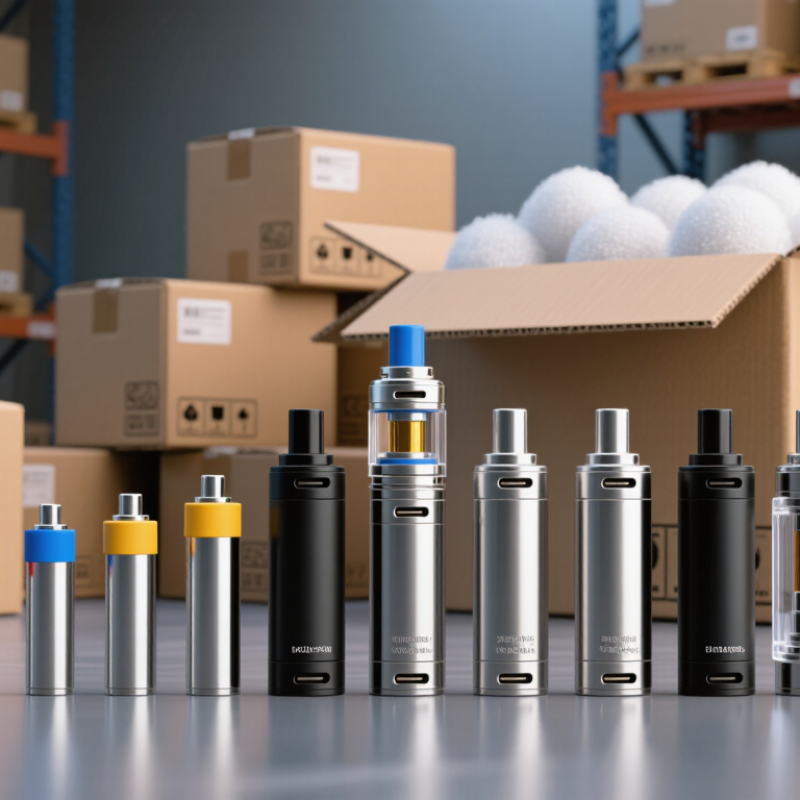
Why Choose Reliable Vape Batteries for Global Sourcing?

Vape Battery Fundamentals and Their Role in Global Sourcing

Why Choose Reliable Vape Batteries for Global Sourcing?

Vape battery fundamentals begin with chemistry, construction, and controlled energy release. Most rechargeable cells use lithium-ion chemistry, combining high energy density with strict charging limits. A typical cylindrical cell contains a positive electrode, negative electrode, separator, electrolyte, and protective casing. Small defects can create large risks. Internal resistance also matters. Higher resistance produces more heat during discharge, especially under demanding loads.

The International Energy Agency reported that global lithium-ion battery demand increased by about 40% in 2023, reaching more than 750 GWh across applications.

BloombergNEF’s 2024 Battery Price Survey recorded an average lithium-ion pack price of 115 dollars per kWh, down 20% from 2023. These figures show a fast-moving supply chain, but lower prices do not prove better value.

In sourcing audits, buyers should verify capacity, cycle performance, temperature behavior, and batch traceability. Independent testing should cover relevant IEC 62133-2 requirements and UN 38.3 transport testing. Check the paperwork carefully. A polished certificate may not match the actual shipment.

Samples can also perform well while later batches drift. This is an uncomfortable weakness in many procurement systems. Reliable sourcing therefore needs repeated testing, documented cell origins, protected packaging, and clear rejection criteria.

Safety is not only a technical feature; it is a purchasing discipline.

Key Standards for Evaluating Reliable Vape Battery Suppliers

Reliable vape battery sourcing begins with evidence, not attractive specifications. Suppliers should provide cell datasheets, batch records, and current safety certificates. IEC 62133-2 covers safety tests for rechargeable lithium cells and batteries. UN 38.3 requires transport testing across eight conditions, including vibration, shock, and external short circuit. These documents should match the exact model and production site.

A serious supplier also explains protection features clearly. Check overcharge, over-discharge, short-circuit, and temperature protection. Ask how many samples were tested, not only whether testing occurred. UL 8139 evaluates electrical, mechanical, and thermal safety for electronic cigarette systems. It is useful evidence, but certification alone cannot replace factory audits. Inspect cell storage, welding quality, insulation, and quarantine procedures for failed units. Small gaps matter.

Traceability is equally important. Each shipment should connect to a production date, cell lot, test record, and responsible facility. The U.S. Fire Administration documented 195 electronic-cigarette fire and explosion incidents from 2009 to 2016. That historical data shows why battery controls deserve independent verification. I would also review complaint rates, recall procedures, and transport packaging before approving a supplier. A perfect audit sounds suspicious. Suppliers should disclose weaknesses, corrective actions, and retest results.

Safety, Quality Control, and Compliance Across International Markets

Reliable vape batteries begin with controlled manufacturing, not attractive packaging. Buyers should verify cell specifications, production records, and protection-circuit performance before placing large international orders. A serious supplier can provide traceable batch numbers, inspection reports, and current safety documentation.

Small details matter.

Quality teams should examine insulation, welding points, connector alignment, and resistance readings. Samples should pass repeated charging, discharge, vibration, and temperature checks under controlled conditions. Independent laboratory testing adds confidence, especially when supplier documents appear incomplete or outdated. No checklist is perfect. Human inspection can still miss a weak weld or inconsistent cell batch.

Compliance also changes across borders. Importers should review applicable battery, electronic-product, labeling, recycling, and transport requirements in each destination market. Lithium-cell shipments may require transport testing, packaging controls, hazard markings, and accurate technical declarations. Some regions may also restrict certain materials or require local registration. Compliance teams should confirm requirements with qualified legal or regulatory specialists before shipment.

A reliable sourcing process keeps technical files, certificates, purchase records, and corrective-action reports together. This makes audits faster and product investigations clearer. Suppliers should explain how they isolate defective batches and notify customers about safety concerns. Price remains important, but unusually low pricing may reflect weaker testing or undocumented substitutions. It deserves careful questioning.

Why Choose Reliable Vape Batteries for Global Sourcing?

Safety, quality control, and international compliance begin with documented battery testing. The UN 38.3 transport-safety framework contains eight test areas for lithium cells and batteries before international shipment.

Each bar represents one required UN 38.3 test area: altitude simulation, thermal test, vibration, shock, external short circuit, impact or crush, overcharge, and forced discharge. Test reports should be matched with the destination market, transport mode, packaging rules, and applicable product standards.

Comparing Battery Types, Specifications, and Supplier Capabilities

Why Choose Reliable Vape Batteries for Global Sourcing?

Battery selection affects safety, consistency, and customer experience. Common options include lithium-ion cells, integrated rechargeable packs, and protected battery assemblies. Lithium-ion cells may offer flexible capacity and easier replacement. Integrated packs can simplify device design but require stronger control over charging systems. Protected assemblies add safeguards against overcharge, over-discharge, and short circuits. However, protection circuits do not replace careful product testing.

Compare specifications beyond capacity. Check nominal voltage, maximum discharge current, cycle life, charging temperature, dimensions, and connector quality. A higher capacity rating is not always better for every device. In practice, I have seen projects fail because teams checked only mAh figures.

Supplier capability matters equally. Request test reports, production samples, traceability records, and transport documentation. Confirm whether the supplier supports lawful market requirements, quality audits, stable minimum order quantities, and batch-level inspection. Documentation can look complete, yet sample performance may still vary.

Tips: Test samples under realistic loads and charging conditions. Ask for protection-circuit details. Verify UN 38.3 and applicable safety records. Keep written specifications. Recheck them before mass production. A supplier should explain deviations clearly, not hide them. It is also wise to review packaging, storage conditions, and after-sales response times. No spreadsheet replaces physical inspection.

Logistics, Documentation, and Risk Management in Global Procurement

Why Choose Reliable Vape Batteries for Global Sourcing?

Global procurement depends on more than battery capacity and unit price. Reliable vape batteries need consistent performance, secure packaging, and traceable production records. A small variation in voltage can affect device testing, warehouse handling, and customer safety. Practical sourcing teams request production samples before approving large orders. They also compare cycle data, dimensions, terminal design, and temperature limits. Details matter.

Documentation can decide whether cargo moves smoothly. A complete shipment file should include the commercial invoice, packing list, battery specifications, safety data sheet, and applicable transport test records. Country-of-origin details and accurate customs classification also deserve careful review. Requirements differ between markets. A missing document can delay a pallet for days. Sometimes longer. Suppliers should provide clear files before loading, not after a customs query. Digital copies help, but local authorities may request signed originals.

Risk management should continue after delivery. Buyers can use lot numbers, sealed cartons, incoming inspection, and random capacity checks. Photos of pallet labels create useful evidence during disputes. Contracts should define defect thresholds, replacement duties, insurance, and delivery terms. A backup supplier may reduce disruption, but it does not remove quality risk. Our process is not flawless. Overlooking one regional rule can still create costly rework. Regular supplier reviews, updated compliance checks, and honest reporting keep decisions grounded in evidence rather than optimistic promises.

Why Choose Reliable Vape Batteries for Global Sourcing? - Logistics, Documentation, and Risk Management in Global Procurement

Procurement Dimension Verified Data or Requirement Recommended Control Required Evidence Primary Risk if Uncontrolled
Battery Classification Rechargeable lithium-ion batteries are generally classified as UN 3480 when shipped alone and UN 3481 when packed with or contained in equipment. Confirm the classification before booking transport and use the correct packing instruction for the selected transport mode. Dangerous goods declaration, transport classification, and carrier acceptance confirmation. Shipment rejection, customs delay, fines, or unsafe handling.
UN 38.3 Compliance Lithium cells and batteries offered for transport must have passed the applicable tests in the UN Manual of Tests and Criteria, Part III, Sub-Section 38.3. Treat the test summary as a release requirement for every battery model and design revision. UN 38.3 test summary identifying the cell or battery type, manufacturer, test laboratory, and test results. Air or sea carrier refusal and inability to demonstrate transport eligibility.
Safety Data Sheet A current Safety Data Sheet should identify battery chemistry, hazards, emergency measures, handling requirements, and transport information. Review the SDS against the actual cell chemistry, nominal voltage, watt-hour rating, and packaging configuration. Current SDS with revision date, product identifier, transport classification, and emergency contact details. Incorrect declarations, warehouse handling errors, and delayed dangerous-goods approval.
Air-Freight Readiness Air transport is more restrictive than ocean transport. Standalone lithium-ion batteries shipped by air require compliance with the applicable IATA Dangerous Goods Regulations and packing instruction. Obtain carrier pre-approval before production dispatch and verify state-of-charge, packaging, labeling, and quantity limits for the shipment. Air waybill, dangerous goods declaration, package photographs, labels, and carrier approval. Booking cancellation, re-packing charges, missed delivery windows, or cargo return.
Ocean-Freight Planning Ocean transport normally provides a lower cost-per-unit option for planned bulk volumes, but port, transshipment, and dangerous-goods documentation requirements still apply. Use a documented sailing schedule with buffer time for port congestion, inspections, transshipment, and customs clearance. Bill of lading, container packing certificate where required, dangerous goods declaration, commercial invoice, and packing list. Demurrage, detention, storage costs, and inventory shortages.
Indicative Transit Planning Typical planning ranges are approximately 3–10 calendar days for air transport and 25–60 calendar days for ocean transport, excluding production, customs, and exceptional disruption. Build the purchase plan around total door-to-door lead time rather than port-to-port transit alone. Forwarder quotation, sailing or flight schedule, customs service-level agreement, and historical delivery records. Stockouts, expedited freight, production interruption, or missed seasonal demand.
Watt-Hour Rating For rechargeable lithium-ion batteries, watt-hours are calculated as nominal voltage multiplied by ampere-hours: Wh = V × Ah. Require the watt-hour rating on product specifications, packaging, shipping documents, and carton-level records. Technical datasheet, label artwork, carton marking, and shipment declaration. Incorrect dangerous-goods classification and inconsistent customs documentation.
Packaging Protection Batteries must be protected against short circuits, movement, crushing, and accidental activation during handling and transport. Use insulated terminals, inner packaging, durable outer packaging, separation between units, and drop-tested shipping configurations where applicable. Packaging specification, packing photographs, inspection checklist, and transport damage records. Short circuit, thermal event, damaged goods, or carrier non-acceptance.
Customs Documentation Common import documents include a commercial invoice, packing list, transport document, import declaration, and supporting product or safety documents. Requirements vary by destination. Use one controlled data set for product description, quantity, value, country of origin, tariff classification, and battery specifications. Commercial invoice, packing list, bill of lading or air waybill, certificate of origin where required, and customs entry. Border holds, valuation disputes, additional duties, or document amendment fees.
Tariff Classification Lithium-ion accumulators are commonly associated with HS heading 8507.60, but the correct tariff code depends on the product configuration and the importing country. Obtain a broker review or advance classification ruling when the product design or jurisdiction creates uncertainty. Tariff database record, broker advice, customs ruling, and classification rationale. Incorrect duty payment, penalties, retroactive assessments, or clearance delays.
Incoterms® Allocation Incoterms® rules define selected delivery obligations, cost allocation, and transfer of risk; they do not replace the sales contract or dangerous-goods regulations. State the named place, version of the rules, insurance responsibility, customs responsibilities, and handover point in the purchase order. Purchase contract, purchase order, freight quotation, insurance certificate, and delivery record. Uninsured loss, unexpected freight charges, and disputes over responsibility.
Incoming Quality Inspection Key checks include voltage, capacity, internal resistance, dimensions, connector polarity, insulation, appearance, and protection-circuit operation. Approve a statistically defined sampling plan and establish clear acceptance limits before mass production. Inspection report, calibrated equipment records, sample results, nonconformance report, and corrective-action record. Capacity shortfall, overheating, premature failure, warranty cost, or customer complaints.
Traceability A traceable battery supply chain should link each shipment to a production date, batch or lot number, cell source, test records, and shipment documents. Require batch coding on the product and carton, with records retained for the contractually defined period. Batch register, production traveler, test certificates, packing list, and shipment-to-lot mapping. Broad recalls, inability to isolate defects, and delayed root-cause analysis.
Supplier Change Control Changes to cell chemistry, protection circuit, capacity, materials, factory, or packaging can affect safety, transport status, and regulatory files. Require written notification and buyer approval before implementing any material or process change. Engineering change notice, revised specifications, updated UN 38.3 summary, sample approval, and validation report. Unapproved product variation, invalid documentation, and increased field-failure risk.
Insurance and Liability Cargo insurance, product liability coverage, and clearly allocated responsibility are important because battery incidents may create transport, property, and personal-injury exposure. Check policy exclusions for lithium batteries, geographical scope, declared value, claims procedure, and recall-related coverage. Insurance certificate, policy wording, liability clauses, and incident-reporting procedure. Unrecoverable cargo loss and uninsured product or recall liabilities.
Business Continuity Global procurement is exposed to port disruption, carrier capacity shortages, regulatory changes, raw-material constraints, and single-source dependency. Maintain safety stock based on demand variability and lead-time risk, qualify an alternative source, and review disruption scenarios periodically. Business continuity plan, supplier capacity review, alternative-source qualification, and inventory policy. Production stoppage, emergency purchasing, and loss of market availability.
Supplier Performance Indicators Useful measurable indicators include on-time delivery rate, defect rate, documentation accuracy, damage rate, corrective-action closure time, and shipment acceptance rate. Review performance monthly or quarterly and link repeated failures to corrective actions and sourcing decisions. Supplier scorecard, inspection database, freight records, claims log, and corrective-action tracker. Hidden quality deterioration and recurring logistics or compliance failures.

Data basis: UN Manual of Tests and Criteria, Part III, Sub-Section 38.3; applicable IATA Dangerous Goods Regulations; applicable national customs rules; and ICC Incoterms® rules. Transport lead times are indicative planning ranges and vary by origin, destination, carrier, season, customs status, and disruption conditions.