
2026 Best Medical Plastic Injection Molding Companies
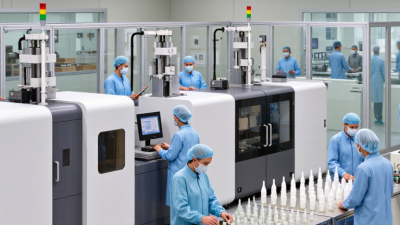
Choosing the 2026 best medical plastic injection molding companies requires more than comparing machine sizes or quoted prices. Medical production depends on validated processes, traceability, clean handling, and stable resin performance. Grand View Research identifies medical injection molding as a growing market, supported by diagnostic devices, single-use products, and aging populations. Its industry analysis also emphasizes demand for precise, lightweight polymer components.
Fortune Business Insights reports similar expansion across medical plastics and injection molding applications through the decade. These reports differ in market boundaries and forecast methods. That matters. Buyers should examine the evidence behind every growth claim. Reliable suppliers can show process-validation records, material certificates, inspection data, and corrective-action histories. ISO 13485 certification is useful, but it does not replace direct quality verification.
Strong candidates also understand real production pressure. A tiny flash line around a syringe component can disrupt assembly. A small variation in wall thickness may affect fluid flow, sealing, or device fit. Experienced companies control mold design, drying conditions, injection parameters, and post-molding inspection. They should also explain compliance pathways for relevant FDA, EU MDR, or other regional requirements without making unsupported promises.
The selection process should compare tooling expertise, cleanroom capability, automation, capacity, engineering support, and transparent communication. Evidence beats slogans. Customer references can reveal whether a supplier solves problems after launch, not only during quotation. Some rankings may overlook smaller specialists with excellent validation discipline. Therefore, this guide evaluates both global manufacturers and focused regional partners, while recognizing one uncomfortable truth: no company is ideal for every medical application.

Medical Plastic Injection Molding: Definition and Industry Scope
Medical plastic injection molding converts engineered polymers into precise components for healthcare products. Common examples include syringe barrels, inhaler housings, diagnostic cartridges, and surgical handles. The process melts plastic pellets, injects the material into a mold, and cools each part under controlled conditions.
The industry scope is expanding beyond basic part production. It includes material selection, mold design, cleanroom manufacturing, process validation, inspection, and traceability. Polypropylene, polycarbonate, and medical-grade elastomers serve different needs, such as chemical resistance, transparency, or flexibility. Small defects matter. A tiny flash on a connector can disrupt assembly or patient use.
Grand View Research estimated the global medical injection molding market at more than USD 20 billion in 2023. Fortune Business Insights also reports steady growth through 2032, supported by disposable devices, diagnostics, and aging populations. These figures describe opportunity, not certainty. Forecasts can miss supply interruptions, resin price changes, or stricter quality expectations. In practice, capable manufacturers must prove repeatability through documented validation, dimensional testing, and controlled production records. The best evaluation should examine evidence, not only advertised capacity.
Key Criteria for Evaluating Medical Molding Companies in 2026
The best medical plastic injection molding companies in 2026 will prove more than molding speed. Buyers should examine process validation, material traceability, and contamination control. The U.S. FDA’s Quality Management System Regulation takes effect on February 2, 2026, aligning device manufacturing requirements with ISO 13485:2016. A capable supplier should already map procedures to this framework, not begin after the deadline.
Ask for objective evidence. Review IQ, OQ, and PQ records for the actual mold and resin grade. Check whether technicians record cavity pressure, drying temperature, and cycle-time changes. ISO 14644 classifications also matter when components enter controlled assembly areas. The 2023 ISO Survey reported tens of thousands of ISO 13485 certificates worldwide, but certification alone does not confirm strong molding practice. Audit the floor.
Reliability depends on repeatability. Compare dimensional studies, capability results, and nonconformance trends across production lots. A supplier should explain how it handles flash near a sealing surface or tiny black specks inside a transparent housing. FDA recall data repeatedly shows that manufacturing and quality failures can affect device safety, even when the original design is sound. That risk deserves attention.
Do not trust polished presentations alone. Request retained samples, change-control logs, and supplier-audit findings. Review data integrity, too. Some reports look complete but hide missing shifts or unexplained averages. That is a warning. Deloitte’s 2024 life sciences outlook also emphasizes resilient, digitally connected operations, yet technology cannot replace experienced process engineers. The strongest evaluation combines documented compliance, shop-floor observation, and uncomfortable questions.
This 2026 evaluation framework uses recommended procurement weights rather than company ratings. Quality-system compliance, process validation, regulatory readiness, material traceability, contamination control, and technical capability are commonly reviewed when selecting a medical injection molding partner.
Leading Medical Plastic Injection Molding Companies in 2026
Leading medical plastic injection molding companies in 2026 are defined by more than modern machinery. They combine validated processes, experienced engineers, and disciplined quality systems. Their teams understand how resin selection affects strength, flexibility, sterilization, and patient safety. Clean production areas, controlled tooling rooms, and documented inspections support consistent results. Small details matter, such as flash around a connector or uneven wall thickness.
Reliable suppliers also provide clear development records from the first design review. They use mold-flow analysis, dimensional studies, and process capability data to reduce manufacturing risk. Experienced partners can identify difficult draft angles, weak hinges, and potential sink marks before production begins. They should explain decisions in practical language. Strong communication builds trust.
Still, no medical molding company performs perfectly every time. Tool changes may reveal unexpected stress, or a material may behave differently between batches. The best teams respond with traceable corrections instead of hiding problems. They investigate root causes, repeat verification tests, and keep customers informed. That honesty is valuable. In 2026, leading companies will continue investing in automation, digital inspection, sustainable material planning, and skilled technicians. Technology helps, but judgment remains essential. A polished presentation cannot replace dependable evidence.
Technologies, Materials, and Capabilities of Top Providers
The best medical plastic injection molding companies combine validated processes with practical manufacturing experience. Their facilities often use controlled cleanrooms, automated material drying, and closed-loop molding systems. These controls reduce particles, moisture defects, and dimensional variation. Skilled teams also document mold trials, process windows, and inspection results.
Material selection depends on the device’s clinical use. Polycarbonate supports clear housings and impact resistance. PEEK handles demanding temperature and chemical conditions. PPSU offers repeated sterilization performance. TPU provides flexibility for seals and soft-touch components. Medical-grade polypropylene remains useful for lightweight, cost-sensitive parts. Each resin requires compatibility testing, drying controls, and sterilization review. Small changes matter.
Top providers may offer micro molding, insert molding, overmolding, and multi-cavity tooling. They can connect vision inspection with lot traceability and statistical process control. Strong suppliers also support design for manufacturability, tolerance analysis, and mold-flow studies. Validation commonly includes IQ, OQ, and PQ activities under a quality system aligned with ISO 13485. Still, no capability list proves real performance. A supplier may claim tight tolerances but struggle with thin walls or difficult resins. Production records, sample parts, audit access, and corrective-action history deserve close review. Some projects reveal an uncomfortable truth: the fastest quotation is not always the safest manufacturing decision.
2026 Best Medical Plastic Injection Molding Companies - Technologies, Materials, and Capabilities of Top Providers
| Capability Category | Injection Molding Technology | Typical Medical Materials | Typical Part Scale | Typical Dimensional Capability | Common Medical Applications | Key Process Controls | Relevant Quality and Compliance Support |
|---|---|---|---|---|---|---|---|
| High-volume precision molding | Servo-hydraulic or all-electric molding with automated part removal and inspection | Polypropylene, polyethylene, polycarbonate, ABS, and medical-grade thermoplastic elastomers | Small to medium components; commonly below approximately 500 g per molded part | Often approximately ±0.05–0.15 mm, depending on geometry, resin, tooling, and measurement method | Syringe components, diagnostic disposables, fluid-handling parts, and device housings | Closed-loop pressure and temperature control, cavity-pressure monitoring, vision inspection, and statistical process control | Documented traceability, process validation, controlled environments, and quality systems aligned with ISO 13485 |
| Micro injection molding | Micro-scale injection molding using specialized screws, small-shot systems, and high-resolution tooling | Polycarbonate, PEEK, polyoxymethylene, polyamide, polypropylene, and medical-grade elastomers | Parts commonly weighing below 1 g; features may be below 1 mm | Often approximately ±0.01–0.05 mm for controlled features, subject to design and material limitations | Catheter components, miniature gears, diagnostic cartridges, surgical instrument components, and sensor parts | Material drying, shot-size control, mold temperature stability, particulate control, and optical measurement | Clean manufacturing practices, equipment qualification, inspection records, and biocompatibility documentation where applicable |
| Insert molding | Overmolding of metal, ceramic, glass, or preformed polymer inserts during the injection cycle | Polycarbonate, PEEK, PPS, nylon, liquid silicone-compatible thermoplastics, and thermoplastic elastomers | Small to medium assemblies with embedded functional inserts | Typically controlled through fixture accuracy, insert tolerances, and mold alignment; final capability is application-specific | Electrical contacts, needle hubs, reinforced connectors, orthopedic components, and sensor assemblies | Insert presence detection, robotic loading, mold-flow balancing, pull-force testing, and poka-yoke fixtures | Material and lot traceability, validated assembly steps, inspection plans, and risk controls based on ISO 14971 principles |
| Two-shot and overmolding | Sequential molding of rigid and flexible polymers using rotary, transfer, or dedicated multi-material tooling | Polycarbonate with thermoplastic elastomer, polypropylene with elastomer, nylon with elastomer, and compatible engineering polymers | Small to medium ergonomic or sealed components | Commonly approximately ±0.10–0.25 mm for general dimensions, depending on the material combination and tool design | Device grips, seals, soft-touch handles, valves, wearable components, and protective covers | Bond-strength testing, material compatibility verification, mold-temperature control, and interface inspection | Validated cleaning, controlled material changes, dimensional inspection, and functional testing of bonded interfaces |
| Liquid silicone rubber molding | Meter-mix injection molding with heated molds, automated dosing, and flash-control tooling | Medical-grade liquid silicone rubber in multiple hardness grades and formulations | Micro parts to medium flexible components; wall thickness is highly design-dependent | Often approximately ±0.10–0.30 mm, with tighter control possible for selected features and validated tooling | Seals, diaphragms, valves, respiratory components, gaskets, and fluid-contact parts | Mix-ratio control, material temperature monitoring, cavity-pressure control, flash inspection, and post-curing when required | Biocompatibility evaluation, extractables and leachables support, cleanliness controls, and validated curing processes |
| Engineering polymer molding | High-temperature injection molding with hardened tooling and controlled drying systems | PEEK, PPS, polysulfone, polyetherimide, polyphenylene oxide, and reinforced high-performance polymers | Small to medium structural and high-temperature components | Commonly approximately ±0.05–0.20 mm, depending on shrinkage, reinforcement, and geometry | Surgical instrument parts, sterilization-resistant components, pump parts, and implantable-device accessories | Resin moisture control, barrel-temperature profiling, mold-temperature monitoring, fiber-orientation analysis, and annealing where required | Material certification, sterilization compatibility studies, process validation, and documented change control |
| Cleanroom molding | Injection molding performed in a controlled environment with automated handling and sealed material flow | Polypropylene, polycarbonate, polyethylene, cyclic olefin polymers, elastomers, and specialty medical resins | Disposable, diagnostic, laboratory, and fluid-path components from micro to medium size | Defined by product drawings and validation data; particle and bioburden limits are application-specific | Drug-delivery components, diagnostic consumables, sterile fluid paths, and laboratory disposables | Air classification, gowning procedures, environmental monitoring, HEPA filtration, particulate control, and controlled packaging | ISO 14644-1 cleanroom classification support, environmental monitoring, bioburden controls, and sterilization coordination |
| Tooling, validation, and production transfer | Design for manufacturability, mold-flow analysis, prototype tooling, pilot production, and validated serial production | Material selection based on strength, chemical resistance, sterilization method, transparency, and biocompatibility requirements | Prototype quantities through millions of production parts, depending on tool architecture and demand | Capability is established through gauge studies, process capability analysis, and approved product specifications | New-product introduction, design transfer, contract manufacturing, and lifecycle support | IQ, OQ, and PQ validation; measurement-system analysis; first-article inspection; corrective and preventive action | ISO 13485 quality systems, ISO 14971 risk-management support, ISO 10993 biological-evaluation support, and applicable regulatory documentation |
How to Choose the Right Medical Molding Partner
2026 Best Medical Plastic Injection Molding Companies
How to Choose the Right Medical Molding Partner
Choosing a medical molding partner in 2026 requires more than comparing unit prices. Ask how the supplier controls risk from design review through shipment. An experienced team should explain resin selection, mold-flow analysis, gate location, and warpage prevention clearly. Request evidence of ISO 13485-based quality systems, documented validation, and full lot traceability. Do not accept vague promises.
Visit the production area, even through a controlled audit. Look for cleanroom discipline, calibrated instruments, trained operators, and clear material segregation. Ask to review process qualification records, inspection plans, and corrective actions. For critical dimensions, examine capability data instead of attractive samples. A reliable supplier should discuss Cpk targets, measurement uncertainty, and out-of-specification procedures. Confirm compatibility with sterilization, packaging, and the intended clinical environment.
Strong partners involve tooling and quality engineers before the first mold is cut. They can identify thin walls, difficult ejection, sink marks, and unrealistic tolerances. Ask how design changes are approved and communicated. A small pilot run may reveal problems that a presentation hides. I would question any supplier claiming zero defects or perfect lead times. Medical production is controlled, not magical. Review capacity, backup plans, maintenance logs, and response time during a deviation. The right questions often expose weaknesses early.
Related Posts
-
2026 Best Medical Injection Moulding Companies?
-
10 Best Injection Moldable Plastics for Your Next Project?
-
How to Successfully Optimize Your Plastic Injection Molding Process for Maximum Efficiency
-
Exploring Innovative Alternatives to Injection Moldable Plastics for Sustainable Production
-
What is Plastic Injection Mold Tooling and How Does it Work?
-
7 Unmatched Strategies for Optimizing Your Injection Tooling Process