

China Top 10 Plastic Injection Mold Tooling Companies
Selecting the right plastic injection mold tooling partner can determine whether a product reaches the market smoothly or suffers repeated delays. This article introduces ten leading companies known for mold design, precision machining, engineering support, and production reliability. Their capabilities cover automotive parts, medical components, consumer products, and complex industrial assemblies.
A strong supplier does more than cut steel. It studies resin behavior, shrinkage, parting lines, cooling efficiency, ejection force, and cycle time. Small details matter. A poorly balanced runner can create uneven filling, visible weld lines, or expensive rework. Dr. John Beaumont, a recognized authority in mold design, stated, “The runner system is the heart of the mold.” That principle remains practical on the factory floor, where a few seconds saved per cycle can influence annual output.
The companies discussed here are assessed through measurable factors, including tooling accuracy, material selection, mold life, quality systems, project communication, and after-sales support. Real experience also matters. A supplier may advertise advanced equipment, yet still struggle with design changes or difficult polymers. No ranking is perfect. Capabilities can vary by location, team, and project complexity. This guide therefore offers a useful starting point, not an absolute verdict. Readers should verify certifications, inspect sample work, request clear quotations, and discuss maintenance plans before choosing a partner. The best result usually comes from technical transparency, careful testing, and honest communication. Mistakes still happen. Reliable companies respond quickly and learn from them.
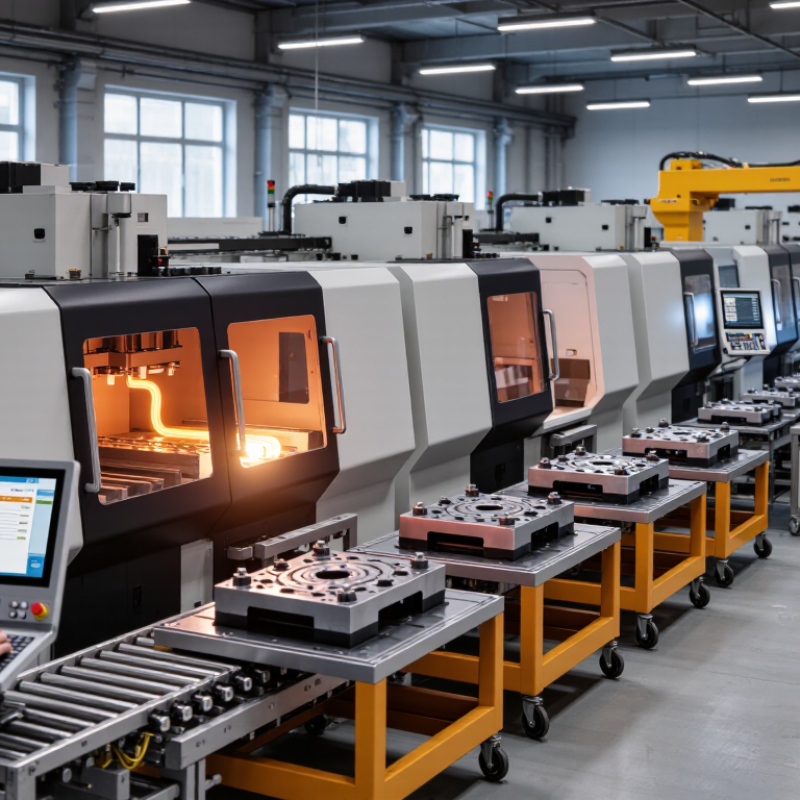
What Plastic Injection Mold Tooling Companies Do
Plastic injection mold tooling companies design, build, test, and maintain the molds that shape polymer parts. Their work begins with product drawings, material behavior, and production targets. Engineers select cavity layouts, gate locations, cooling channels, steel grades, and ejection systems. A small decision can affect cycle time, surface finish, and dimensional stability.
The OECD’s Global Plastics Outlook reports that global plastic production reached 460 million tonnes in 2019. It also projects production may nearly triple by 2060. This pressure makes efficient tooling increasingly important. A well-balanced mold fills cavities evenly and reduces scrap, while optimized cooling can shorten each molding cycle. Toolmakers also use flow simulation, coordinate measurement, and trial shots to identify warpage or air traps before mass production. Still, simulation is not reality. Resin batches, humidity, and machine settings can change results.
Reliable tooling providers document steel certificates, inspection results, maintenance intervals, and mold-life expectations. They may correct polishing marks, replace worn inserts, or adjust vent depths after testing. ISO 20457 provides guidance for tolerances on molded plastic parts, but practical results depend on the mold, material, and process together. The difficult part is not making one good sample. It is repeating that quality thousands of times. Mistakes happen, and responsible teams record them instead of hiding them.
| Work Stage | What the Tooling Team Does | Typical Deliverables | Key Checks | Why It Matters |
|---|---|---|---|---|
| Part and project review | Review the part geometry, intended resin, production volume, and molding requirements before tool design begins. | Design-for-manufacturing feedback, project scope, and preliminary tooling plan. | Wall thickness, draft, undercuts, parting line, and ejection access. | Early design changes can reduce tooling complexity and help avoid molding or ejection problems. |
| Mold design | Develop the mold layout, including the cavity and core, parting surfaces, runner and gate arrangement, cooling, and ejection systems. | 3D mold design, component drawings, and mold-layout documentation. | Part geometry, machine compatibility, mold opening direction, and service access. | A coordinated design supports reliable filling, cooling, part release, and maintenance. |
| Fill and process analysis | Use engineering analysis where specified to assess plastic flow, packing, cooling, and potential molding risks. | Analysis results and recommended design or process adjustments. | Potential air traps, weld-line locations, pressure demand, and uneven cooling. | Analysis can help identify issues before steel is cut, although results depend on the accuracy of the inputs and assumptions. |
| Material selection and preparation | Select suitable mold-base and cavity materials based on the project’s resin, expected production, wear, and corrosion requirements. | Material specifications and prepared mold components. | Material grade, component dimensions, hardness requirements, and traceability records where required. | Appropriate materials help the tool meet its intended service and production requirements. |
| CNC machining | Machine mold plates, cavities, cores, and other components to the dimensions specified in the tooling design. | Machined mold components and dimensional inspection records. | Critical dimensions, alignment features, surface condition, and machining allowances. | Accurate components are essential for proper mold assembly and consistent part geometry. |
| Electrical discharge machining | Use electrical discharge machining (EDM) to form details that are difficult to produce with conventional cutting tools, such as deep ribs or narrow slots. | EDM-machined features and finishing allowances, where applicable. | Feature dimensions, corner radii, electrode condition, and resulting surface texture. | EDM can create complex features in conductive mold materials that may be difficult to machine conventionally. |
| Surface finishing | Polish or texture specified mold surfaces to achieve the surface appearance and release characteristics required by the part design. | Finished cavity and core surfaces. | Specified finish, consistency between surfaces, and protection of sharp edges or details. | Mold-surface condition affects the appearance of molded parts and can influence part release. |
| Mold assembly and fitting | Fit and assemble the mold components, including guide elements, cooling circuits, slides or lifters when needed, and ejector systems. | Assembled mold and assembly or inspection records. | Parting-line contact, component movement, cooling-circuit integrity, and ejector alignment. | Correct fitting helps the mold open, close, cool, and eject parts as designed. |
| Trial molding and adjustment | Run molding trials with the agreed machine and resin, then adjust the tool or process based on observed results. | Trial parts, process observations, and a list of required corrections or approvals. | Filling, flash, short shots, warpage, ejection, and cycle stability. | Trials reveal how the tool performs under molding conditions and provide a basis for refinements. |
| Inspection, maintenance, and support | Inspect molded samples against agreed requirements and provide tool maintenance or production support as specified in the project. | Inspection results, maintenance records, and tooling-change documentation where applicable. | Part dimensions, appearance criteria, wear, corrosion, and condition of moving components. | Documented inspection and maintenance help manage product conformity and preserve tool condition over time. |
The activities and deliverables shown are typical of plastic injection mold tooling projects. Exact scope, materials, inspection criteria, and acceptance requirements depend on the part design and customer specification.
Related Posts
-
2026 Top Plastic Injection Process Types for Global Buyers
-

Common Challenges Faced in Mold Plastic Injection Processes
-
How to Choose the Right Injection Molding Tooling for Your Production Needs
-
2026 Top Injection Molding Mold Types for Global Buyers
-

Top Benefits of Short Run Injection Molding in Custom Manufacturing
-
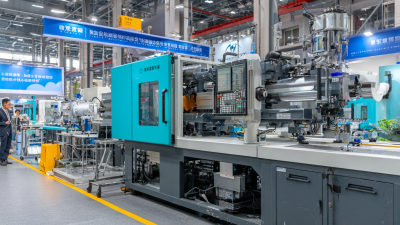
Exploring the Future of Plastic Injection Process at the 138th Canton Fair 2025 in China